
Thursday, November 12, 2026Nov 12

Major oil producers to talk output freeze in Qatar in April

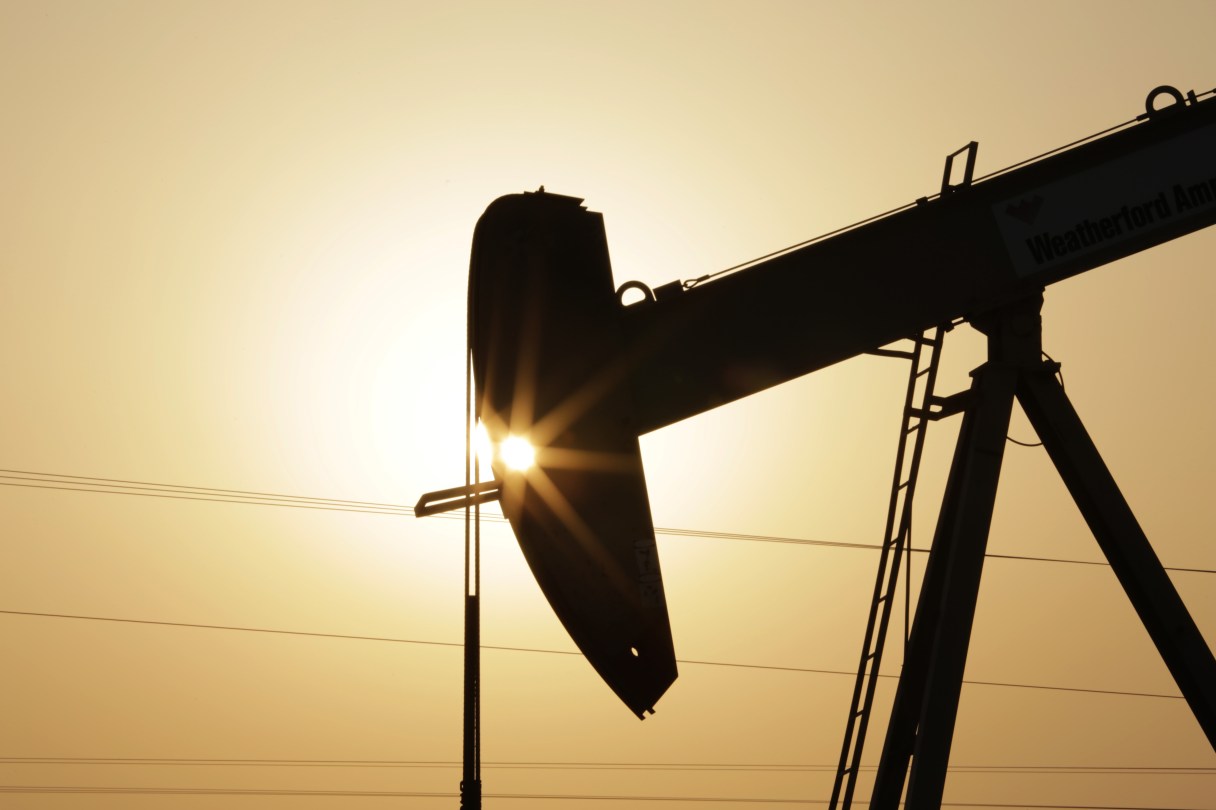
FILE- In this Wednesday, Sept. 30, 2015 file photo, an oil pump works at sunset in the desert oil fields of Sakhir, Bahrain. OPEC member states and other major oil producers are planning to meet next month to discuss a freeze in oil output levels, Qatar's top energy official said Wednesday. (AP Photo/Hasan Jamali, file)
FILE- In this Wednesday, Sept. 30, 2015 file photo, an oil pump works at sunset in the desert oil fields of Sakhir, Bahrain. OPEC member states and other major oil producers are planning to meet next month to discuss a freeze in oil output levels, Qatar's top energy official said Wednesday. (AP Photo/Hasan Jamali, file) FILE- In this Wednesday, Sept. 30, 2015 file photo, an oil pump works at sunset in the desert oil fields of Sakhir, Bahrain. OPEC member states and other major oil producers are planning to meet next month to discuss a freeze in oil output levels, Qatar's top energy official said Wednesday. (AP Photo/Hasan Jamali, file)

DUBAI, United Arab Emirates (AP) – OPEC member states and other major oil producers plan to meet next month to discuss a freeze in oil output levels, Qatar’s top energy official said Wednesday.

The gathering, which will build on earlier talks that included major suppliers Russia and Saudi Arabia, reflects a growing sense of urgency among producers to try to shore up crude prices following a steep drop that is straining their domestic budgets.

Qatar holds the rotating presidency of OPEC and will host the upcoming talks, which are scheduled to take place the capital, Doha, on April 17.

Some 15 oil-producing nations representing about 73 percent of world output have agreed to take part, according to a statement from Mohammed bin Saleh al-Sada, Qatar’s energy and industry minister.

“The continuous efforts of the Qatari government have been instrumental in promoting dialogue among all oil producers to support the Doha initiative, helping the stabilization of (the) oil market to the interest of all,” al-Sada said in the statement.