
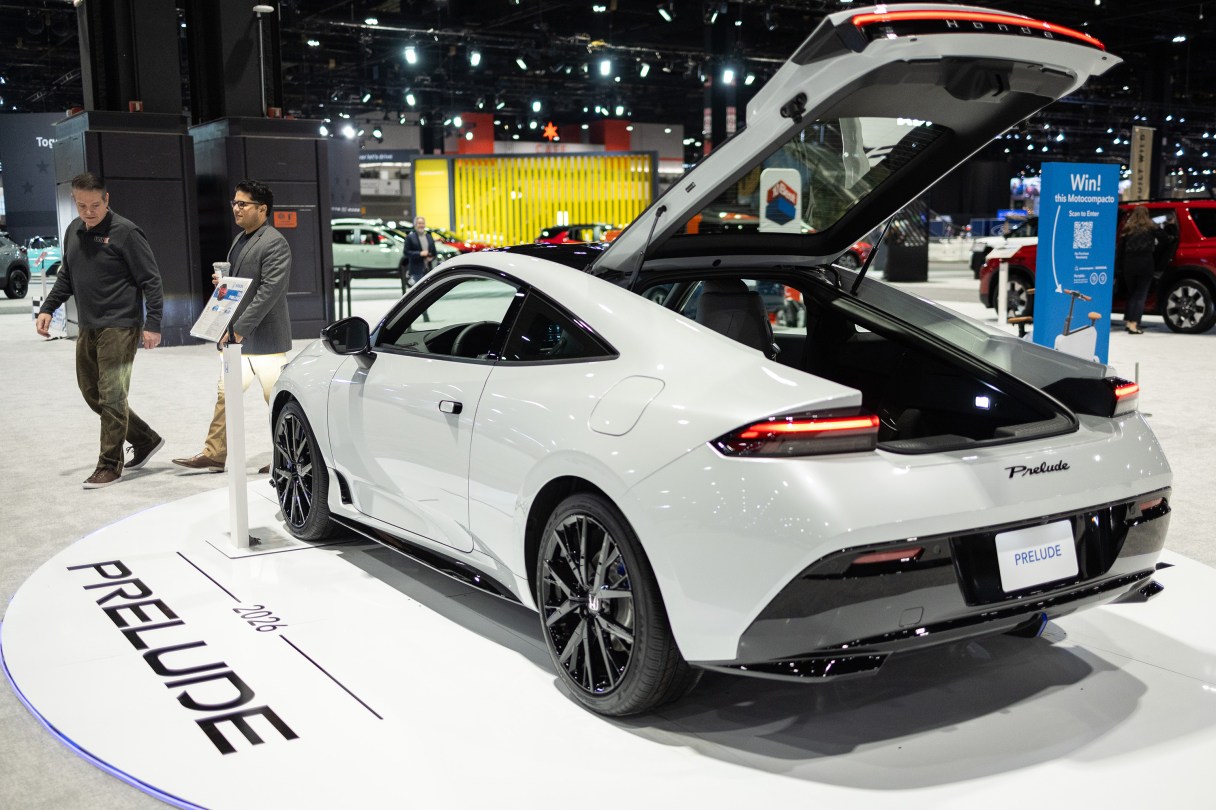
America’s affordability divide is increasingly visible in Americans’ biggest purchases.
The wealthy may be doing just fine. It’s the Americans below them who increasingly are recalibrating what they can afford — a divide now showing up vividly in two big-ticket purchases: cars and houses.
When it comes to nice cars, people accustomed to buying like the rich are increasingly deciding the premium isn’t worth it.
Buyers earning $200,000 or more are the most likely to remain with premium brands, while defection increases as incomes fall, and is strongest among households earning $50,000 to $100,000 and below $50,000, according to JD Power’s Automotive OEM Intelligence Report, released Aug. 6. As JD Power puts it, “affordability is shaping what they buy rather than whether they buy.”
But it’s not all gloom and doom, at least on the vehicle front. Sure, an increasing number of aspirational and middle-income consumers are rightsizing and shifting away from more high-end auto brands, but that’s no tragedy for many. J.D. Power’s APEAL Study found that the satisfaction gap between premium and mass-market brands has fallen from 66 points in 2008 to just 29 points today, with premium brands no longer consistently outperforming on offerings such as dashboard technology and driver-assistance systems.