
Thursday, November 12, 2026Nov 12

Israeli academics face growing boycott pressures

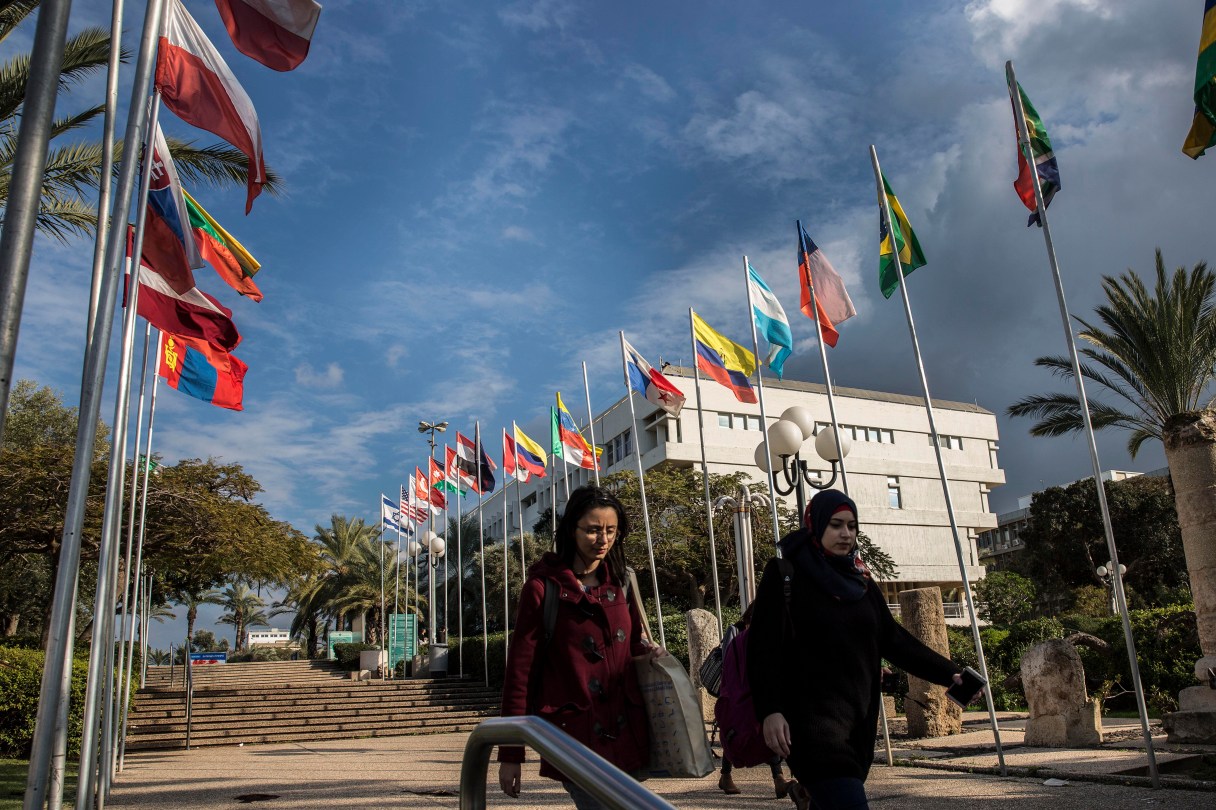
In this Wednesday, Jan. 27, 2016 photo, students walk throughout the Tel Aviv University campus in Israel. As a global boycott movement against Israeli universities gains steam, Israeli professors say they are increasingly feeling the pressure from their colleagues overseas. The academic boycott is part of the broader pro-Palestinian “BDS” campaign, which advocates boycotts, divestment and sanctions against Israel. (AP Photo/Tsafrir Abayov)
In this Wednesday, Jan. 27, 2016 photo, students walk throughout the Tel Aviv University campus in Israel. As a global boycott movement against Israeli universities gains steam, Israeli professors say they are increasingly feeling the pressure from their colleagues overseas. The academic boycott is part of the broader pro-Palestinian “BDS” campaign, which advocates boycotts, divestment and sanctions against Israel. (AP Photo/Tsafrir Abayov) In this Wednesday, Jan. 27, 2016 photo, students walk throughout the Tel Aviv University campus in Israel. As a global boycott movement against Israeli universities gains steam, Israeli professors say they are increasingly feeling the pressure from their colleagues overseas. The academic boycott is part of the broader pro-Palestinian “BDS” campaign, which advocates boycotts, divestment and sanctions against Israel. (AP Photo/Tsafrir Abayov)

HAIFA, Israel (AP) – Israeli anthropologist Dan Rabinowitz is a leader in his field, heading a prestigious school of environmental studies at Tel Aviv University, authoring dozens of publications and holding visiting teaching positions over the years at leading North American universities.

But the British-educated Rabinowitz fears that his younger counterparts may not enjoy the same professional opportunities for a very personal reason: They are Israeli.

As a global boycott movement against Israeli universities gains steam, Israeli professors say they are feeling the pressure from their colleagues overseas. Although the movement ostensibly targets universities, not individuals, Israeli academics say they are often shunned at the personal level. They experience snubs at academic conferences, struggle to get recommendations and can experience difficulty publishing their work in professional journals.

“This is highly personal and personalized,” said Rabinowitz.

The academic boycott is part of the broader pro-Palestinian “BDS” campaign, which advocates boycotts, divestment and sanctions against Israel. Inspired by the anti-apartheid movement, BDS organizers say they are using nonviolent means to promote the Palestinian struggle for independence.