
AKAGERA NATIONAL PARK, Rwanda (AP) – After Rwanda’s 1994 genocide, returning refugees swept into the country’s biggest national park with herds of cattle and wiped out the last lions. Now the once-abandoned reserve on the border with Tanzania is drawing more tourists, reducing poaching and involving more villagers in conservation. It even re-introduced lions this year.
It is quite a turnaround for Akagera National Park, whose landscape of savannah, acacia woodlands and papyrus swamps was reduced by more than half to 433 square miles (1,122 square kilometers) following the 1990s upheaval. While still reliant on donor funding, the park owes its success to a partnership between a non-profit group with deep pockets and management experience as well as a government led by a powerful leader that has turned stability and tourism into pillars of a growing economy.
It is not an easy recipe to emulate. In many parts of Africa, conservation has suffered because of state corruption, lax law enforcement, porous national borders and conflicts that make it easier for gunmen to poach wildlife.
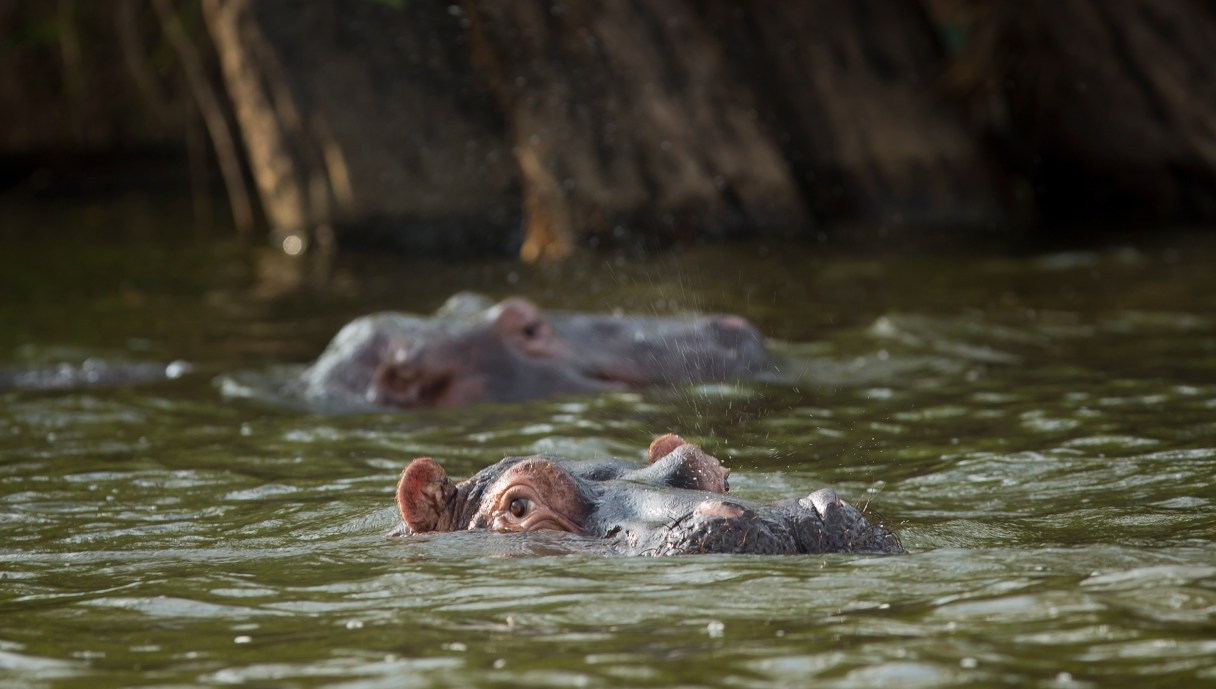
Today, visitors to Akagera see hippos, crocodiles and cormorants on sunset cruises on Lake Ihema, where British explorer Henry Stanley camped in the late 19th century. Also on the shore sits an abandoned house that was a weekend retreat for Rwandan President Juvenal Habyarimana, who died when his plane was shot down in 1994, igniting violence that became the genocide.
In 2010, the government of the current president, Paul Kagame, handed management of Akagera to African Parks, a group based in Johannesburg that now runs 10 wildlife areas on the continent. African Parks donors include the Walton Family Foundation, the European Union and the WWF conservation group.