
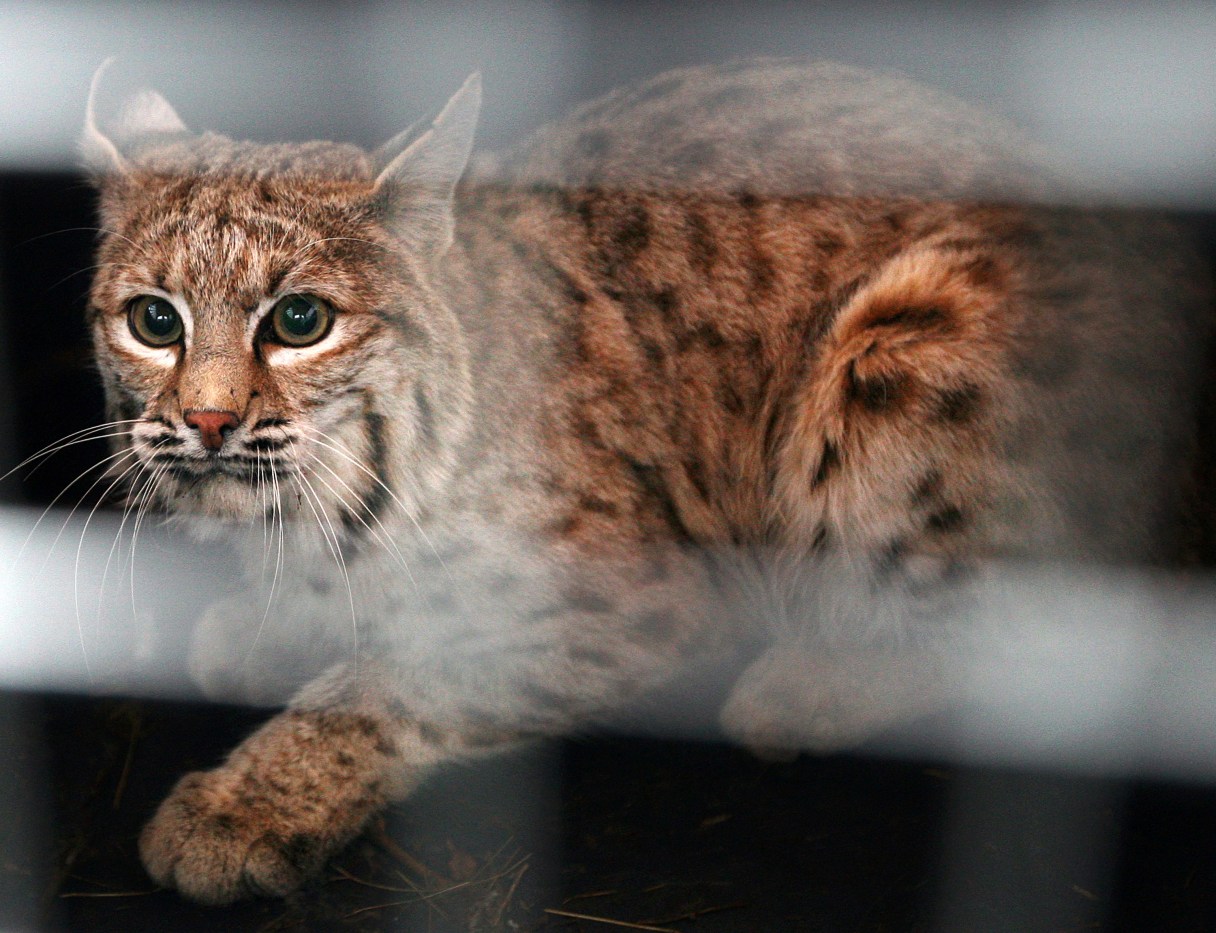
BILLINGS, Mont. (AP) – Wildlife advocates on Wednesday said they will seek a court order halting a United States government program that allows tens of thousands of pelts from bobcats and a small number of gray wolves to be exported annually for sale on the international fur market.
Representatives of WildEarth Guardians said the little-known program should not continue without a detailed study of its effect on wildlife populations.
Government figures show more than 57,000 bobcat pelts and a handful of wolf pelts were exported from the U.S. in 2014, the most recent year for which data was available. Exports over the past decade ranged from a low of 30,000 bobcat pelts in 2009 to almost 68,000 in 2013.
The pelts typically are used to make fur garments and accessories. Russia, China, Canada and Greece are top destinations, according to a trapping industry representative and government reports.
“The government’s been allowing this to happen blindly without doing any analysis. When we’re talking about such high numbers, it’s just preposterous,” said Bethany Cotton, director of WildEarth Guardians’ wildlife program.