
Wednesday, November 11, 2026Nov 11

Fly without flapping? Andean condors surf air 99% of time

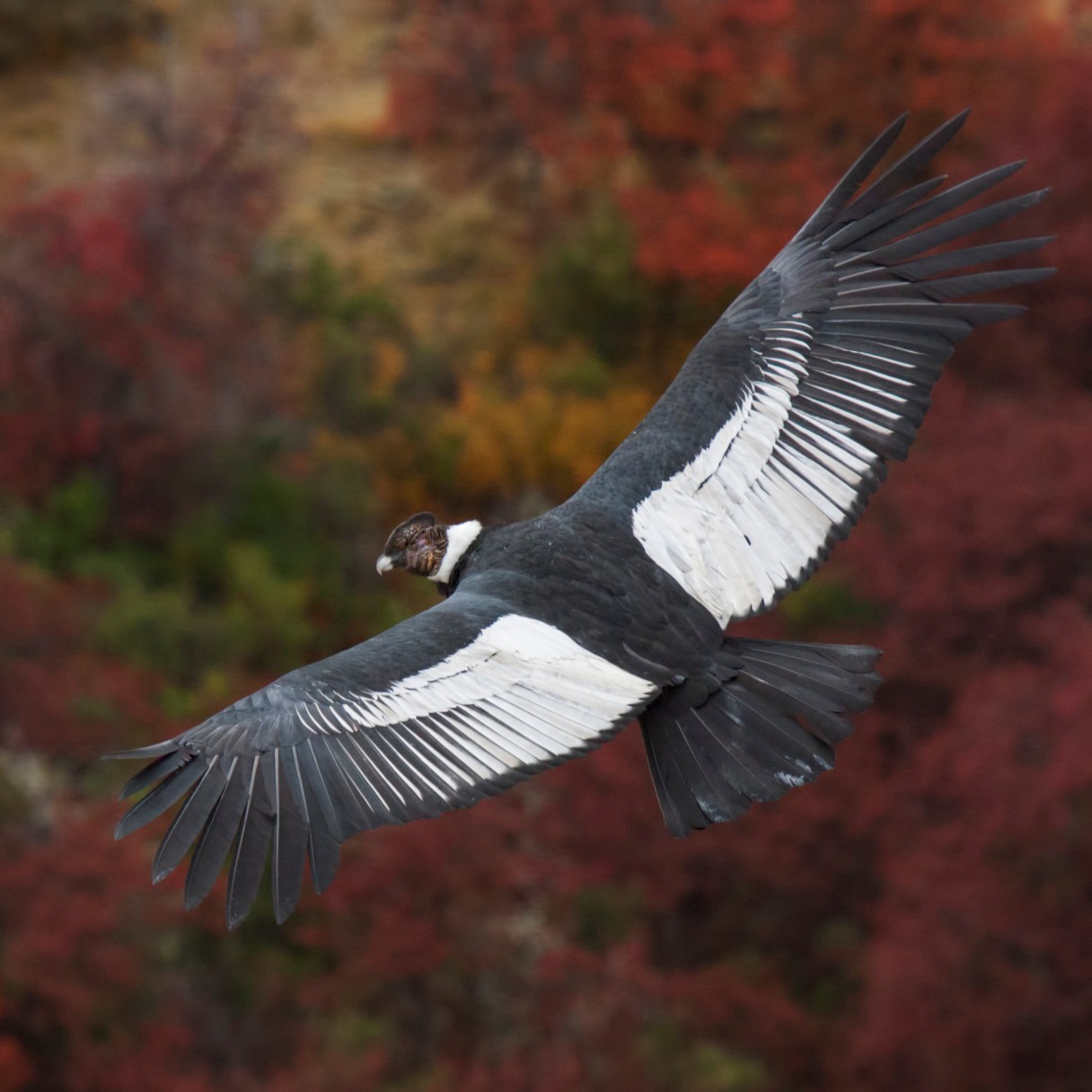
In this undated photo provided by Facundo Vital in July 2020, an Andean condor soars above the Patagonian steppe in Argentina. To birds, the sky is not empty, but a landscape of invisible features – wind gusts, currents of warm rising air, and streams of air pushed upward by ground features like mountains. Learning to ride air currents allows some birds to travel long distances while minimizing the exertion of beating their wings. (Facundo Vital via AP)
In this undated photo provided by Facundo Vital in July 2020, an Andean condor soars above the Patagonian steppe in Argentina. To birds, the sky is not empty, but a landscape of invisible features – wind gusts, currents of warm rising air, and streams of air pushed upward by ground features like mountains. Learning to ride air currents allows some birds to travel long distances while minimizing the exertion of beating their wings. (Facundo Vital via AP) In this undated photo provided by Facundo Vital in July 2020, an Andean condor soars above the Patagonian steppe in Argentina. To birds, the sky is not empty, but a landscape of invisible features – wind gusts, currents of warm rising air, and streams of air pushed upward by ground features like mountains. Learning to ride air currents allows some birds to travel long distances while minimizing the exertion of beating their wings. (Facundo Vital via AP)

WASHINGTON (AP) – A new study sheds light on just how efficiently the world’s largest soaring bird rides air currents to stay aloft for hours without flapping its wings.

The Andean condor has a wingspan stretching to 10 feet and weighs up to 33 pounds, making it the heaviest soaring bird alive today.

For the first time, a team of scientists strapped recording equipment they called “daily diaries” to eight condors in Patagonia to record each wingbeat over more than 250 hours of flight time.

Incredibly, the birds spent just 1% of their time aloft flapping their wings, mostly during take-off. One bird flew more than five hours, covering more than 100 miles (160 km), without flapping its wings.

“Condors are expert pilots – but we just hadn’t expected they would be quite so expert,” said Emily Shepard, a study co-author and biologist at Swansea University in Wales.