
CHICAGO (AP) – A top city of Chicago lawyer stepped down Monday after a federal judge accused him of hiding evidence in a fatal police shooting, the latest allegation of wrongdoing amid ongoing scrutiny of how the city deals with such cases.
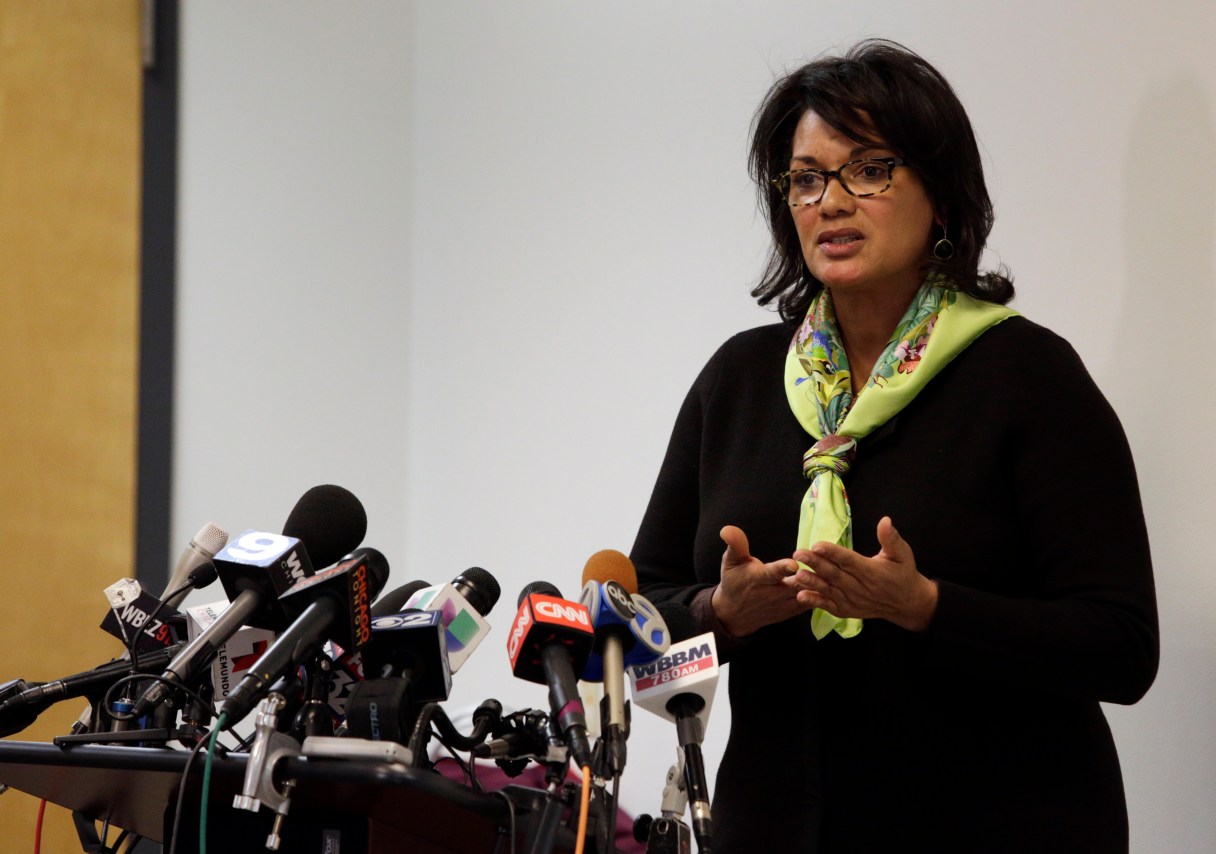
Separately, the city agency that investigates police shootings vowed greater transparency, saying Monday that it would start divulging some details of active cases as it tries to bolster public confidence in the process.
Since November, Chicago has been dealing with fallout from the release of a video showing a white officer fatally shooting black teenager Laqaun McDonald. The release of the video prompted protests and led to a wide-ranging civil rights investigation of the entire police department by the U.S. Department of Justice.
Monday’s 72-page opinion from U.S. District Judge Edmond Chang was part of a civil lawsuit brought by relatives of Darius Pinex, a black man, who was shot and killed by police during a 2011 traffic stop in Chicago.
The officers, whose race was not immediately clear, said at the civil trial last year that they stopped Pinex because his car matched a description they heard on their police radio of a car linked to an earlier shooting. But records emerged after the trial began that showed officers were not listening to traffic about the suspect’s car. Chang concluded that city attorney Jordan Marsh, who defended the officers, “intentionally concealed” that evidence.