
Tuesday, November 10, 2026Nov 10

Coronavirus prompts drastic measures as death tolls set records

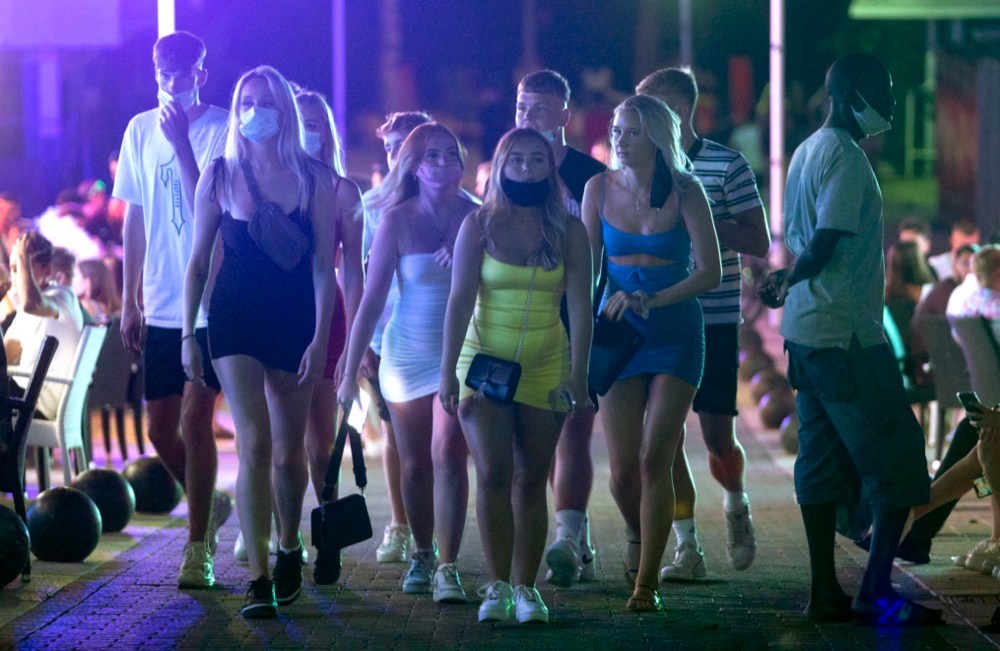
Tourists walk at the resort of Magaluf on the Spanish Balearic island of Mallorca, Spain, Thursday morning, July 16, 2020. Authorities in Spain's Balearic Islands are pulling the plug on endless drunken nights to the beat of techno music by closing bars and nightclubs in beachfront areas popular with young and foreign visitors. (AP Photo/Joan Mateu)
Tourists walk at the resort of Magaluf on the Spanish Balearic island of Mallorca, Spain, Thursday morning, July 16, 2020. Authorities in Spain's Balearic Islands are pulling the plug on endless drunken nights to the beat of techno music by closing bars and nightclubs in beachfront areas popular with young and foreign visitors. (AP Photo/Joan Mateu) Tourists walk at the resort of Magaluf on the Spanish Balearic island of Mallorca, Spain, Thursday morning, July 16, 2020. Authorities in Spain's Balearic Islands are pulling the plug on endless drunken nights to the beat of techno music by closing bars and nightclubs in beachfront areas popular with young and foreign visitors. (AP Photo/Joan Mateu)

HOUSTON (AP) – The coronavirus kept surging in hot spots around the U.S. on Thursday, with one city in South Carolina urging people to pray it into submission, a hospital in Texas bringing in military medical personnel and morgues running out of space in Phoenix.

Record numbers of confirmed infections and deaths emerged again in states in the South and West, with hospitals stretched to the brink and fears worldwide that the pandemic’s resurgence is only getting started.

Texas reported 10,000 new cases for the third straight day and 129 additional deaths. The state has seen a third of its more than 3,400 total COVID-19 fatalities in the first two weeks of July alone.

Florida reached another ominous record, with 156 virus deaths, and health officials reported a staggering 13,965 new cases.

South Carolina confirmed 69 deaths, more than double any other day. In Louisiana, where officials thought they had contained the virus earlier this year only to become a hot spot again, it’s averaged more than 2,000 new confirmed infections a day over the past week.