
Wednesday, November 11, 2026Nov 11

In northern Haiti, conservation efforts focus on coastlines

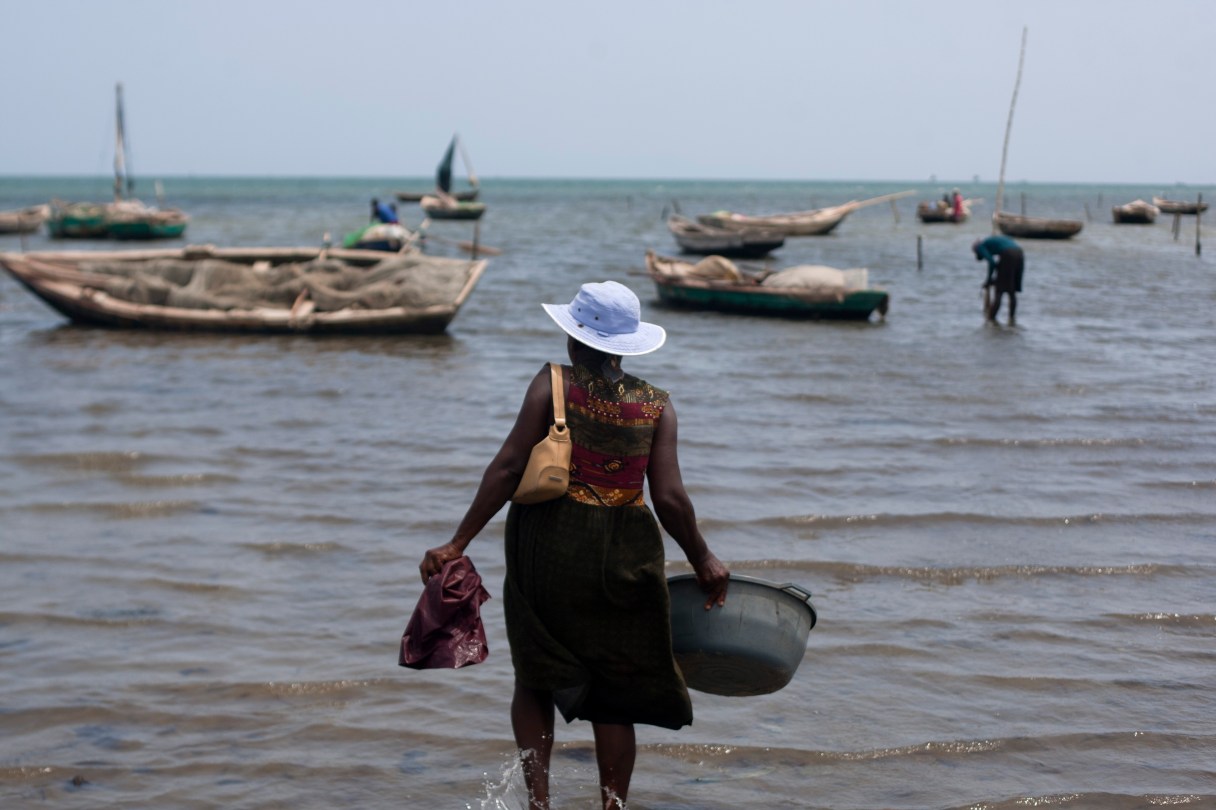
In this May 14, 2015 photo, fishermen clean fish in the waters of Caracol Bay before selling to fish vendors near Cap Haitien, Haiti. Over the decades, impoverished Haiti has gained a reputation as an environmental wasteland. The country has only about 2 to 3 percent of its original forest cover, most of it lost because trees were cut down to make charcoal for cooking fuel. Its waters are severely overfished, leaving only small, young fish to catch. (AP Photo/Dieu Nalio Chery)
In this May 14, 2015 photo, fishermen clean fish in the waters of Caracol Bay before selling to fish vendors near Cap Haitien, Haiti. Over the decades, impoverished Haiti has gained a reputation as an environmental wasteland. The country has only about 2 to 3 percent of its original forest cover, most of it lost because trees were cut down to make charcoal for cooking fuel. Its waters are severely overfished, leaving only small, young fish to catch. (AP Photo/Dieu Nalio Chery) In this May 14, 2015 photo, fishermen clean fish in the waters of Caracol Bay before selling to fish vendors near Cap Haitien, Haiti. Over the decades, impoverished Haiti has gained a reputation as an environmental wasteland. The country has only about 2 to 3 percent of its original forest cover, most of it lost because trees were cut down to make charcoal for cooking fuel. Its waters are severely overfished, leaving only small, young fish to catch. (AP Photo/Dieu Nalio Chery)

CARACOL, Haiti (AP) – Only little fish are pulled from the coastal waters off Haiti.

In this overfished area of northern Haiti, fishermen who want a catch big enough for a meal say they must travel three hours in a boat to the Dominican Republic, where they scour the reefs of a national park and risk arrest, beatings or even death.

“Going over there is the only way we can feed our families,” fisherman Wilfrid Desarme said in Caracol, where the sandy beach is lined with small wooden boats that replaced similar ones seized or torched by Dominican sailors who caught Haitians poaching there with rusty spear guns and fine-mesh nets.

Over the decades, impoverished Haiti has gained a reputation as an environmental wasteland. The country has only about 2 to 3 percent of its original forest cover, most of it lost because trees were cut down to make charcoal for cooking fuel. Its waters are severely overfished, leaving only small, young fish to catch. Coral reefs are clogged with silt washing into the sea from denuded hills.

Now, Haitian conservationist Jean Wiener is leading a homegrown campaign to protect the country’s northern coastal areas, including barrier reefs and threatened mangrove forests that serve as crucial spawning grounds and nurseries for fish and crustaceans.