
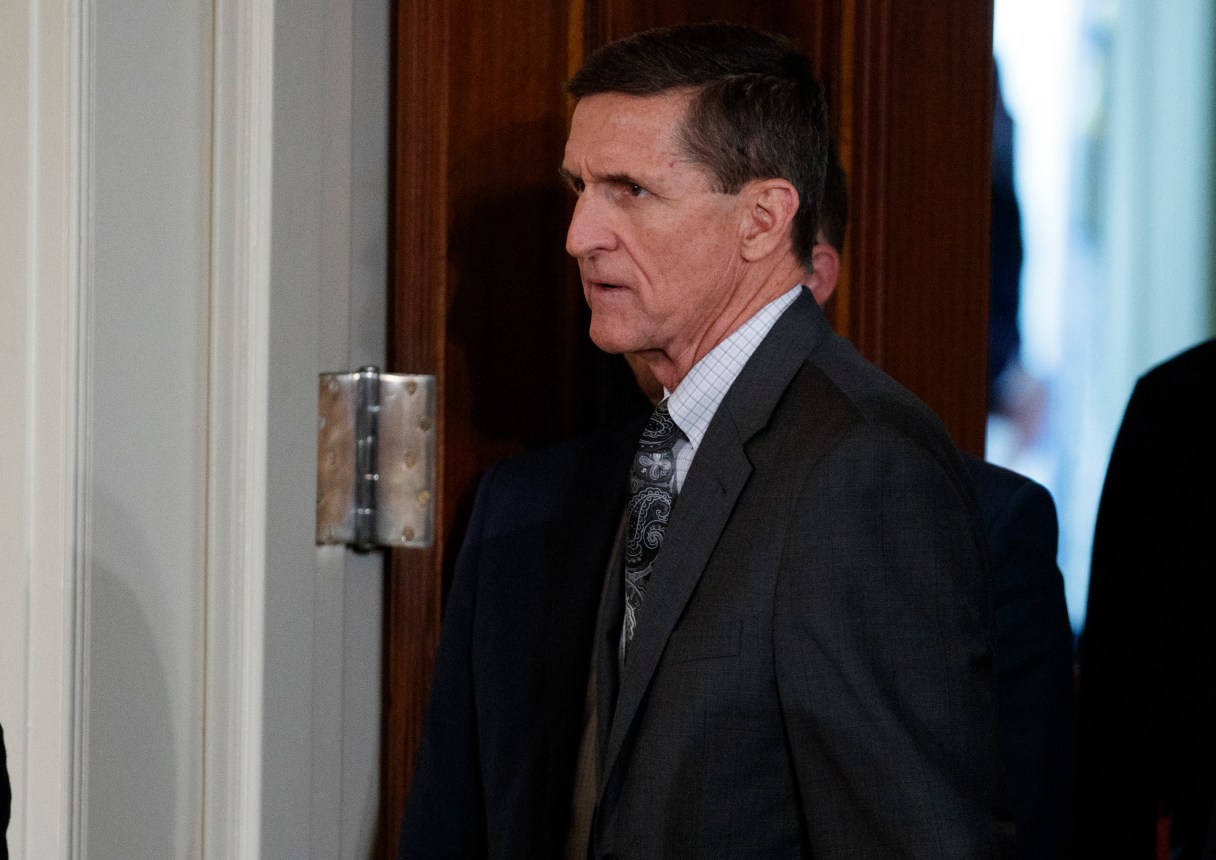
WASHINGTON (AP) – Targeted in widening investigations of his foreign entanglements, President Donald Trump’s former national security adviser, Michael Flynn, is at odds with his former Turkish client over two unusual payments totaling $80,000 that Flynn’s firm sent back last year to the client. The disagreement points to inconsistencies in Flynn’s accounts to the U.S. government about his work for foreign interests.
Flynn’s company, Flynn Intel Group, told the Justice Department in March that the two $40,000 payments were consulting fees for unspecified work. But Turkish businessman Ekim Alptekin has told The Associated Press that the payments from Flynn’s firm were refunds for unperformed lobbying.
The difference matters because Flynn’s foreign business relationships and the veracity of his disclosures are under scrutiny by congressional, military and intelligence inquiries. Congressional committees and the Pentagon’s inspector general are separately examining whether Flynn was fully forthcoming about his foreign contacts and earnings from organizations linked to the governments of Russia and Turkey. His firm’s Turkish work occurred while he was a top Trump campaign adviser.
On Monday, former Deputy Attorney General Sally Yates told senators that Flynn’s misstatements about his contacts with Russia’s ambassador to the U.S. raised concerns that he could be targeted for blackmail. Yates also cited the possibility that Flynn could have broken federal law by operating as a paid foreign agent for the Turkish client without U.S. government permission.
The retired Army lieutenant general and former chief of the Defense Intelligence Agency formally told the Justice Department in March that his now-defunct Flynn Intel Group was paid $530,000 for operating as a foreign agent for Alptekin’s firm, Inovo BV, and performing work that could have benefited the Turkish government. That filing -prompted by Justice Department pressure – came just weeks after Trump fired Flynn from his national security post. The president has said he made the decision after it became clear Flynn had misled Vice President Mike Pence about conversations with Russia’s ambassador to the U.S.