
Thursday, November 12, 2026Nov 12

Science Says: Are poinsettias poisonous? Some holiday truths

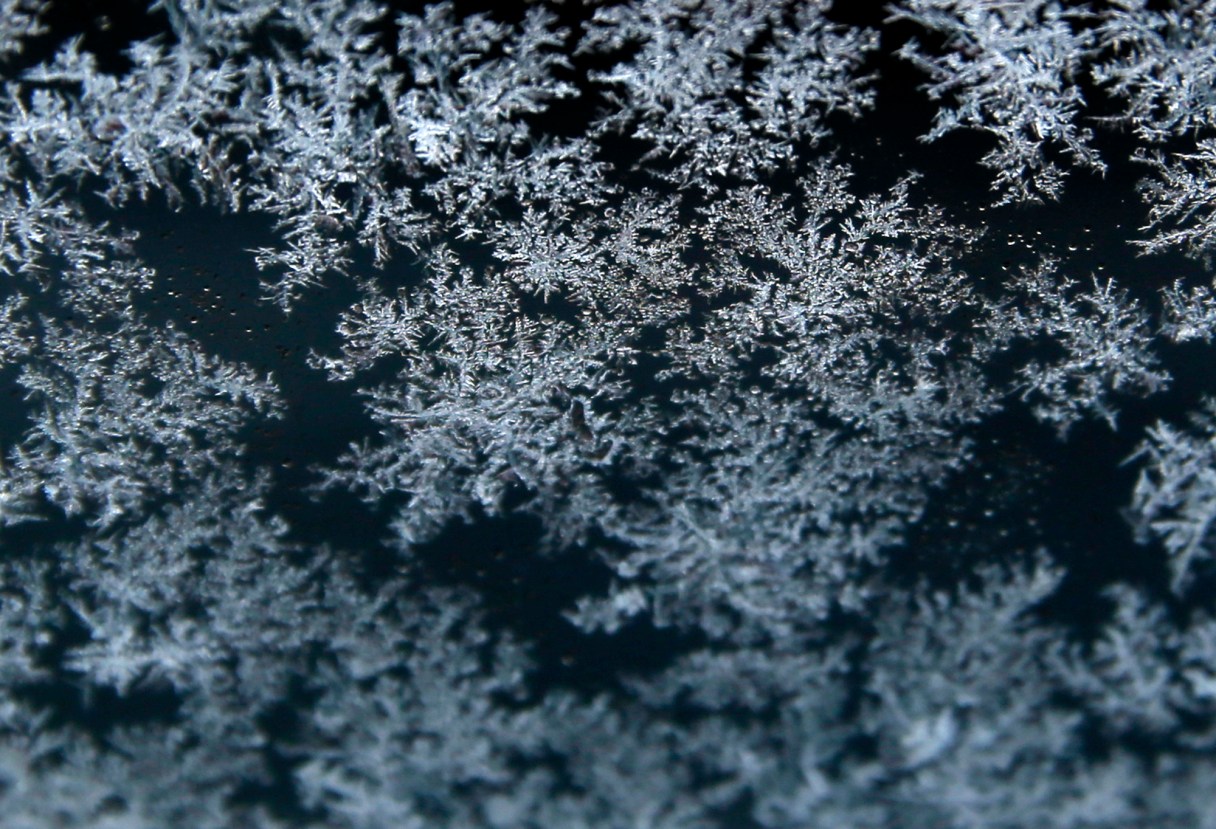
FILE - In this Tuesday, April 5, 2016 file photo, snowflakes stick to a car window in Brookfield, Wis. To form ice that creates snowflakes, moisture high in the atmosphere clings to particles that may include dust specks and or pollen. Add germs to that list. University of Florida microbiologist Brent Christner has found that bacteria from plants are surprisingly common ice "nucleators" _ in populated areas, barren mountain peaks and even Antarctica. (AP Photo/Nam Y. Huh)
FILE - In this Tuesday, April 5, 2016 file photo, snowflakes stick to a car window in Brookfield, Wis. To form ice that creates snowflakes, moisture high in the atmosphere clings to particles that may include dust specks and or pollen. Add germs to that list. University of Florida microbiologist Brent Christner has found that bacteria from plants are surprisingly common ice "nucleators" _ in populated areas, barren mountain peaks and even Antarctica. (AP Photo/Nam Y. Huh) FILE - In this Tuesday, April 5, 2016 file photo, snowflakes stick to a car window in Brookfield, Wis. To form ice that creates snowflakes, moisture high in the atmosphere clings to particles that may include dust specks and or pollen. Add germs to that list. University of Florida microbiologist Brent Christner has found that bacteria from plants are surprisingly common ice "nucleators" _ in populated areas, barren mountain peaks and even Antarctica. (AP Photo/Nam Y. Huh)

CHICAGO (AP) – Are poinsettias really poisonous? Are snowflakes really pure as the driven snow? Does feasting really put on the pounds? Sure as sugarplums, myths and misconceptions pop up every holiday season. Here’s what science says about some of them:

FLOWER POWER

Poinsettias, those showy holiday plants with red and green foliage, are not nearly as harmful as a persistent myth says. Mild rashes from touching the plants or nausea from chewing or eating the leaves may occur but they aren’t deadly, for humans or their pets. Poinsettias belong to the same botanical family as rubber plants that produce latex, so some skin rashes occur in people allergic to latex. According to a Western Journal of Emergency Medicine research review, the plants’ toxic reputation “stems from a single unconfirmed death of a 2-year-old in Hawaii in 1919.”

Dr. Rachel Vreeman, an Indiana University pediatrician who has researched holiday myths, cited a study on more than 20,000 poison control center reports involving contact with poinsettias.

“In none of those cases were there deaths or serious injury. In fact, more than 95 percent of them required zero medical care,” she said.