
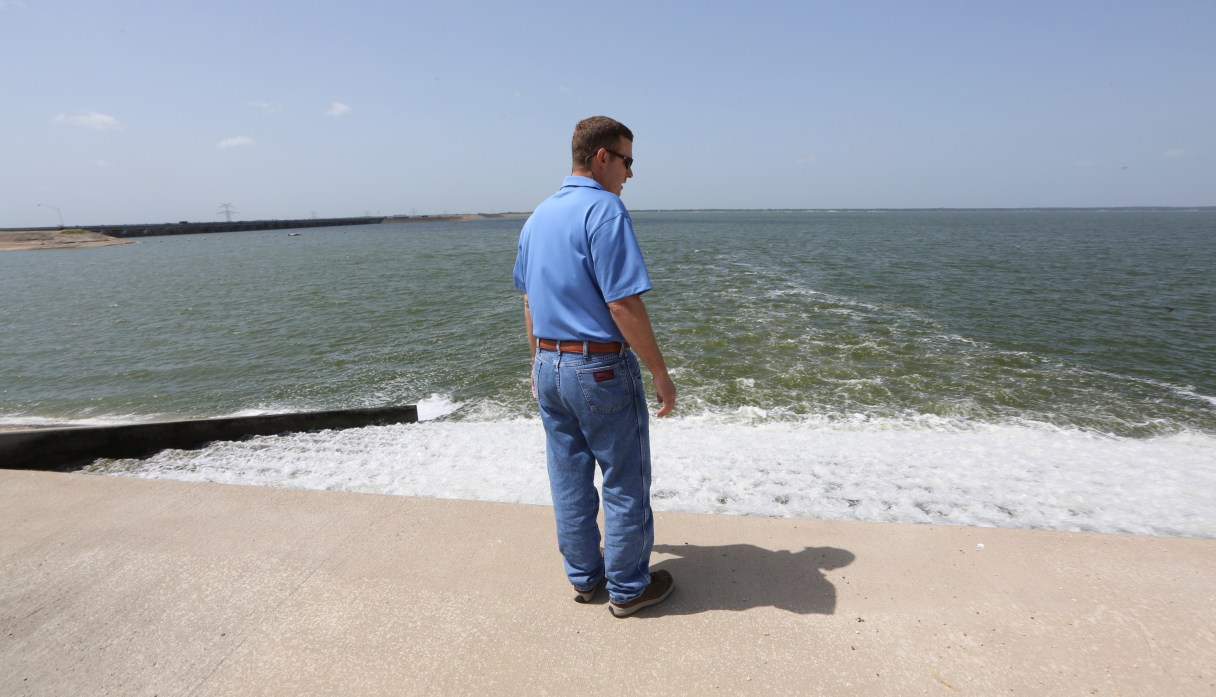
FAIRFIELD, Texas (AP) – As murky water snakes through a man-made wetland between Dallas and Houston, its shallow ponds of lush vegetation slowly filter out phosphorous and nitrates until, a week later, the water runs clear as a creek into the area drinking supply.
The 2,000-acre wetland system in Fairfield converts what is mainly treated wastewater that would otherwise flow into the Gulf of Mexico into an additional 65,000 gallons per day feeding the Richland-Chambers Reservoir – a significant contribution in a state enduring prolonged drought.
At $75 million, the wetlands system cost far less to build than traditional filtering infrastructure and has piqued the interest of planners from places as far afield as Mexico City and Baghdad, where bombs destroyed the water infrastructure. And with climatologists predicting longer and more frequent droughts worldwide, the wetland system greatly reduces the pressure on water utilities and their reliance on precipitation.
“This is stepping back from dependence on rainfall,” said David Marshall, head of engineering services for Tarrant Regional Water District, which operates the wetlands. “With potential climate change or long-term droughts, we’re at risk, whereas these wetlands firm up a tremendous amount of water supply for us.”
The technology behind the George Shannon Wetland Water Reuse Project has been around for decades, but only recently proved reliable and cost efficient.