
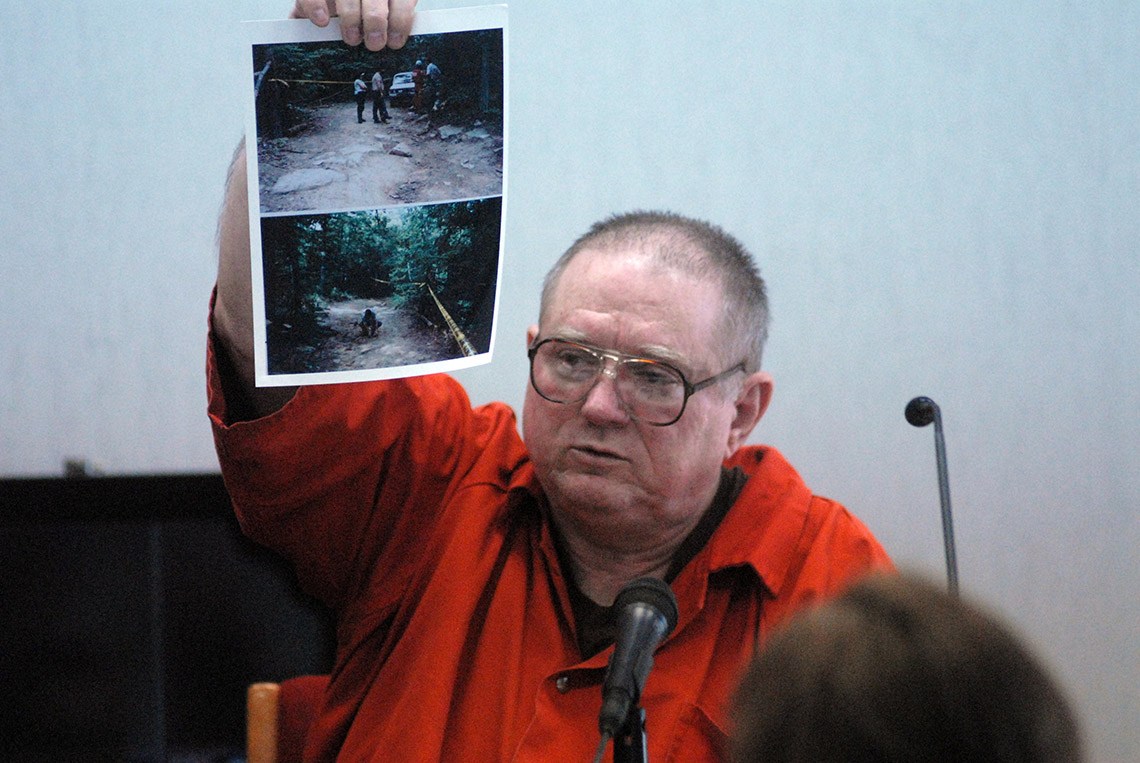





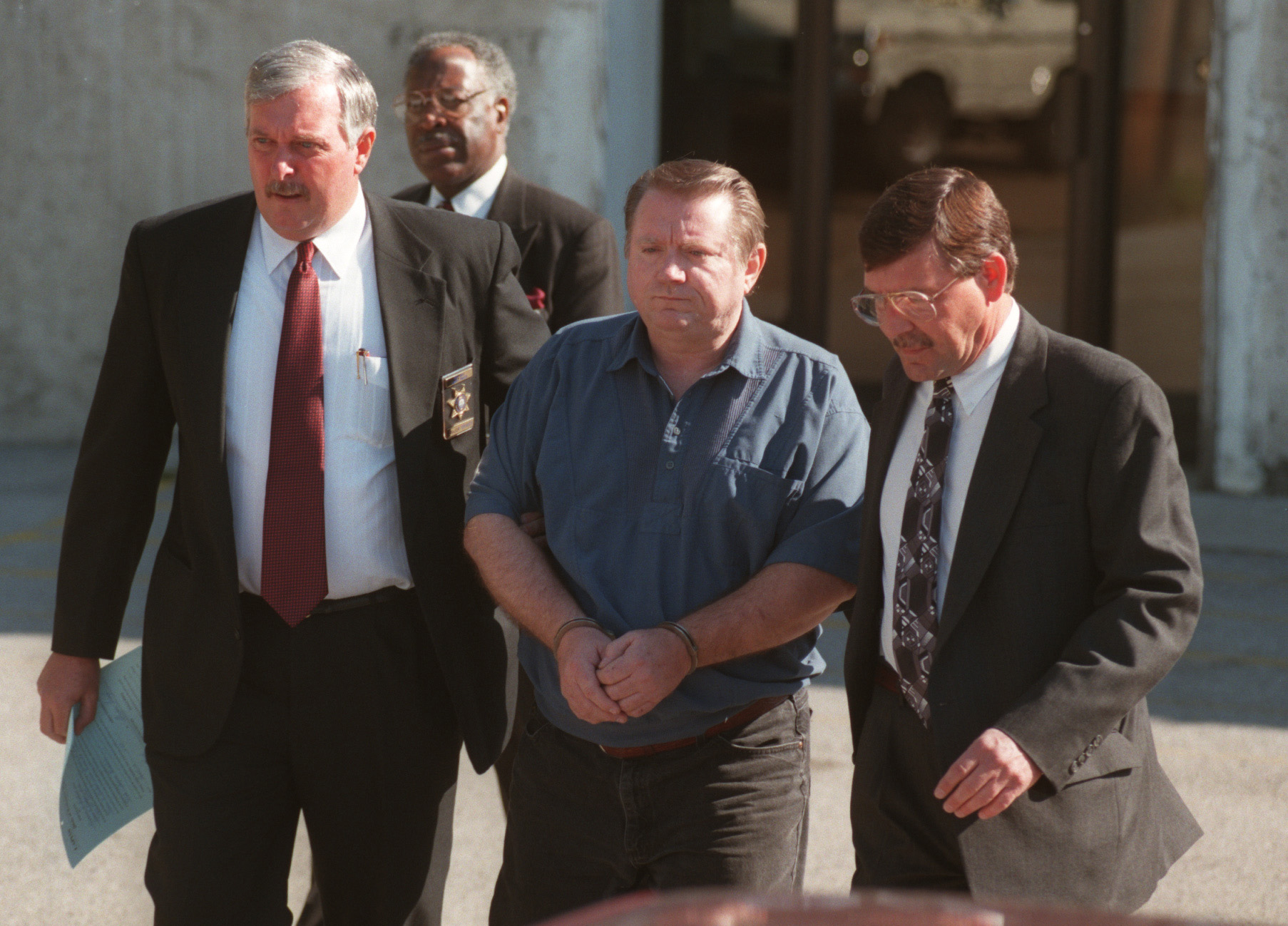
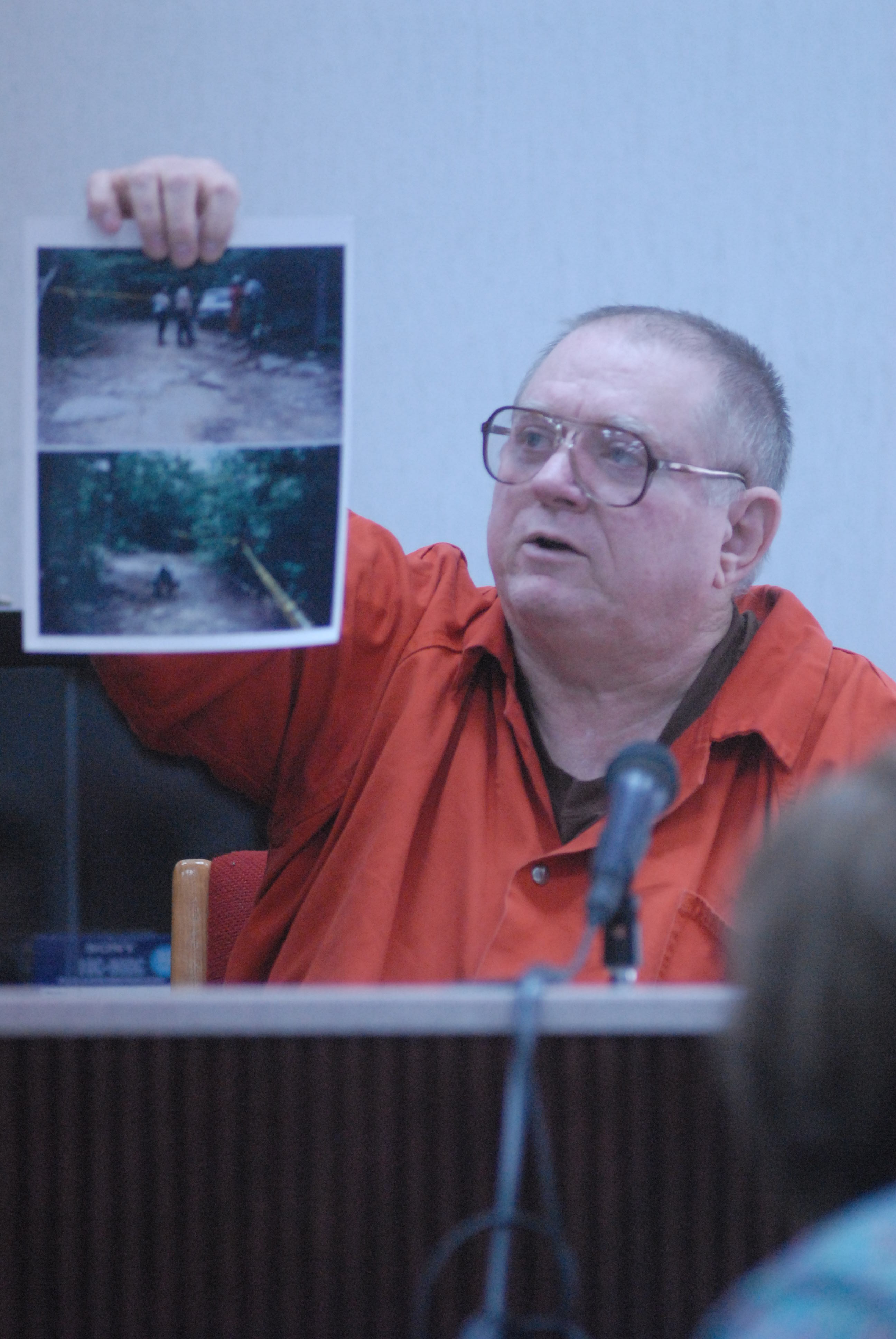
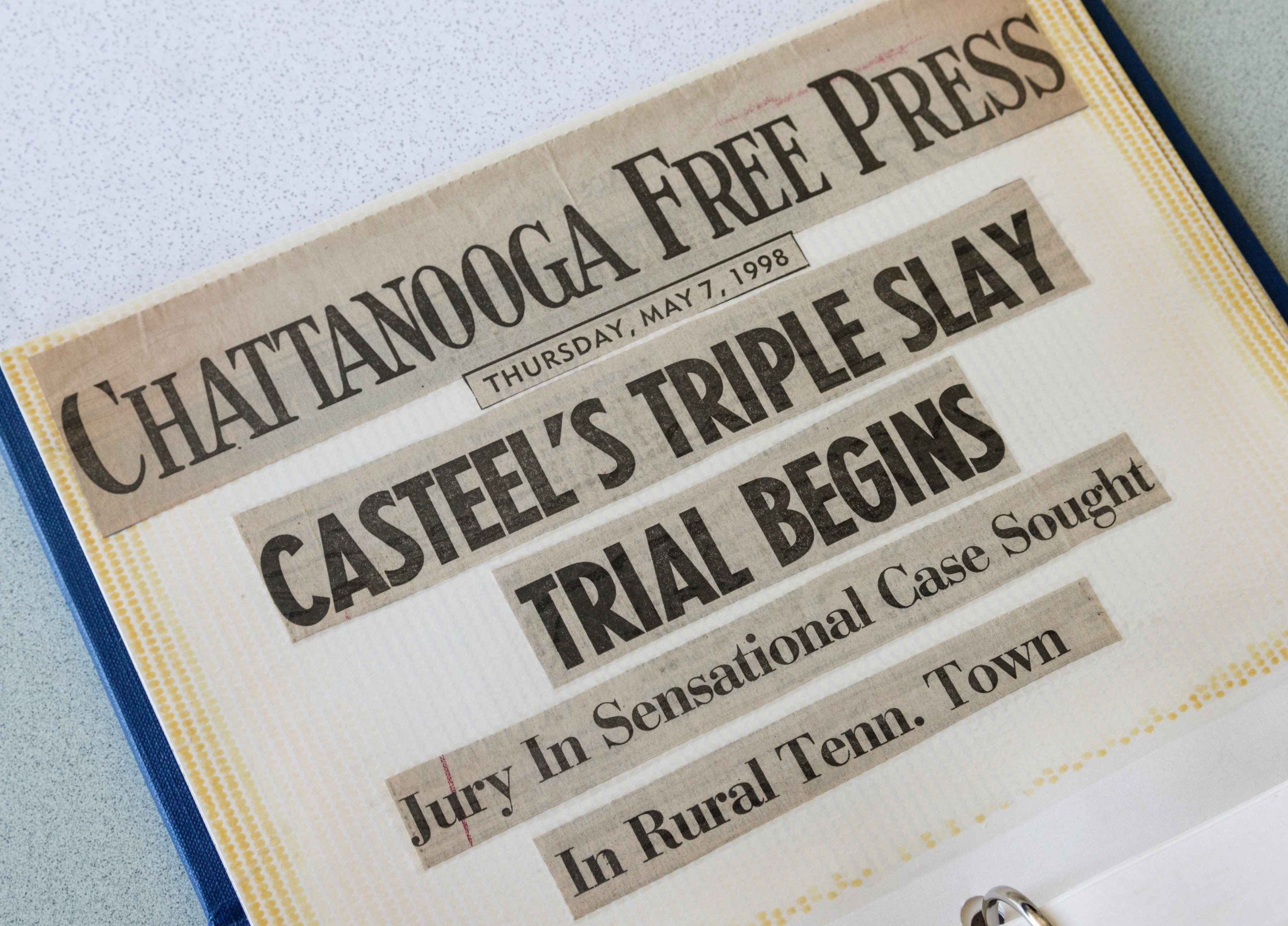
Frank Casteel, the man convicted in the 1988 “Signal Mountain Murders,” one of the most high-profile cases in recent memory in Hamilton County, has died in prison.
According to online state prison records, Casteel was listed as “deceased” Friday at 71 years old. His son, Trever, declined to comment further on the circumstances of his death, except to maintain his father’s innocence and say “the story does not end.” A Tennessee Department of Correction spokesman, Robert Reburn, could not be reached for further detail Friday.
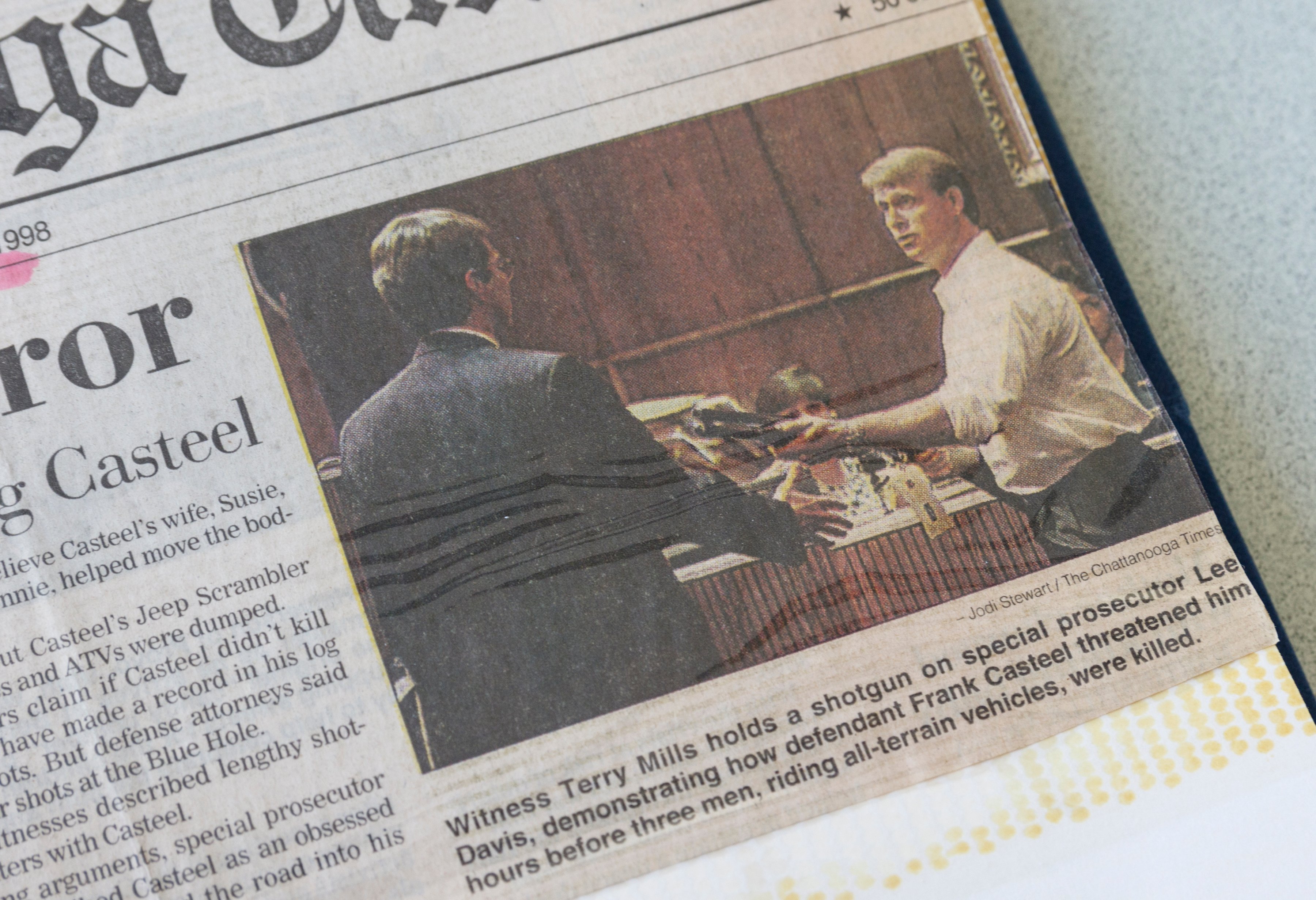
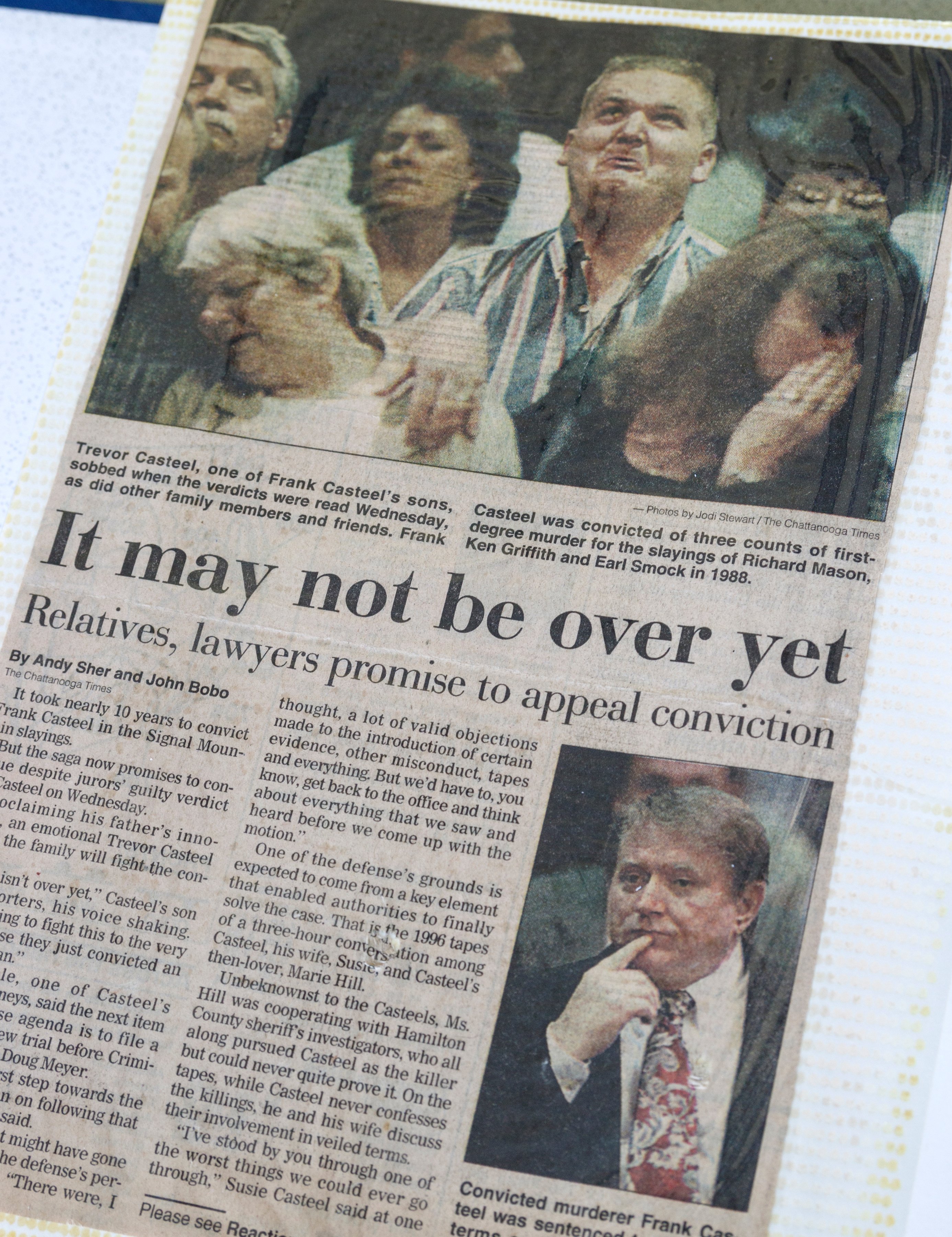
In 1998, it took an hour and 45 minutes for a jury to find Casteel guilty on three counts of first-degree murder for the July 9, 1988, shotgun slayings of Ken Griffith, 22, of Red Bank; his father-in-law, Richard Mason, 49, of Signal Mountain; and Griffith’s Air Force buddy, Earl Smock, 23, of Decatur, Tenn. The victims were last seen riding all-terrain vehicles toward The Blue Hole swimming spot at the edge of property Casteel had recently bought. In addition to prosecutors saying Casteel had angrily confronted dozens of people with a shotgun and noted in a logbook every time someone trespassed, the engineer was also placed camping with his wife in the area on the night in question.
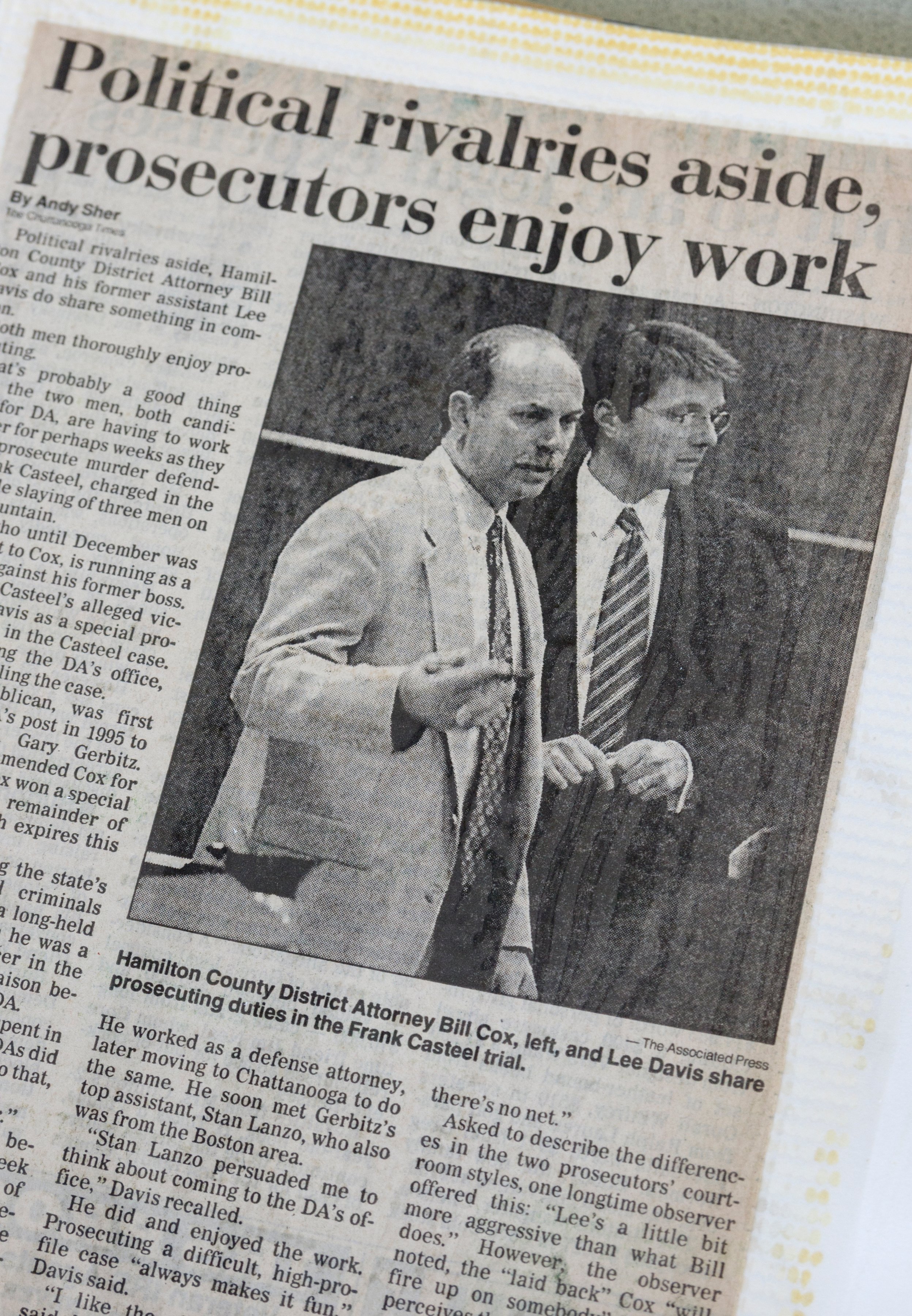
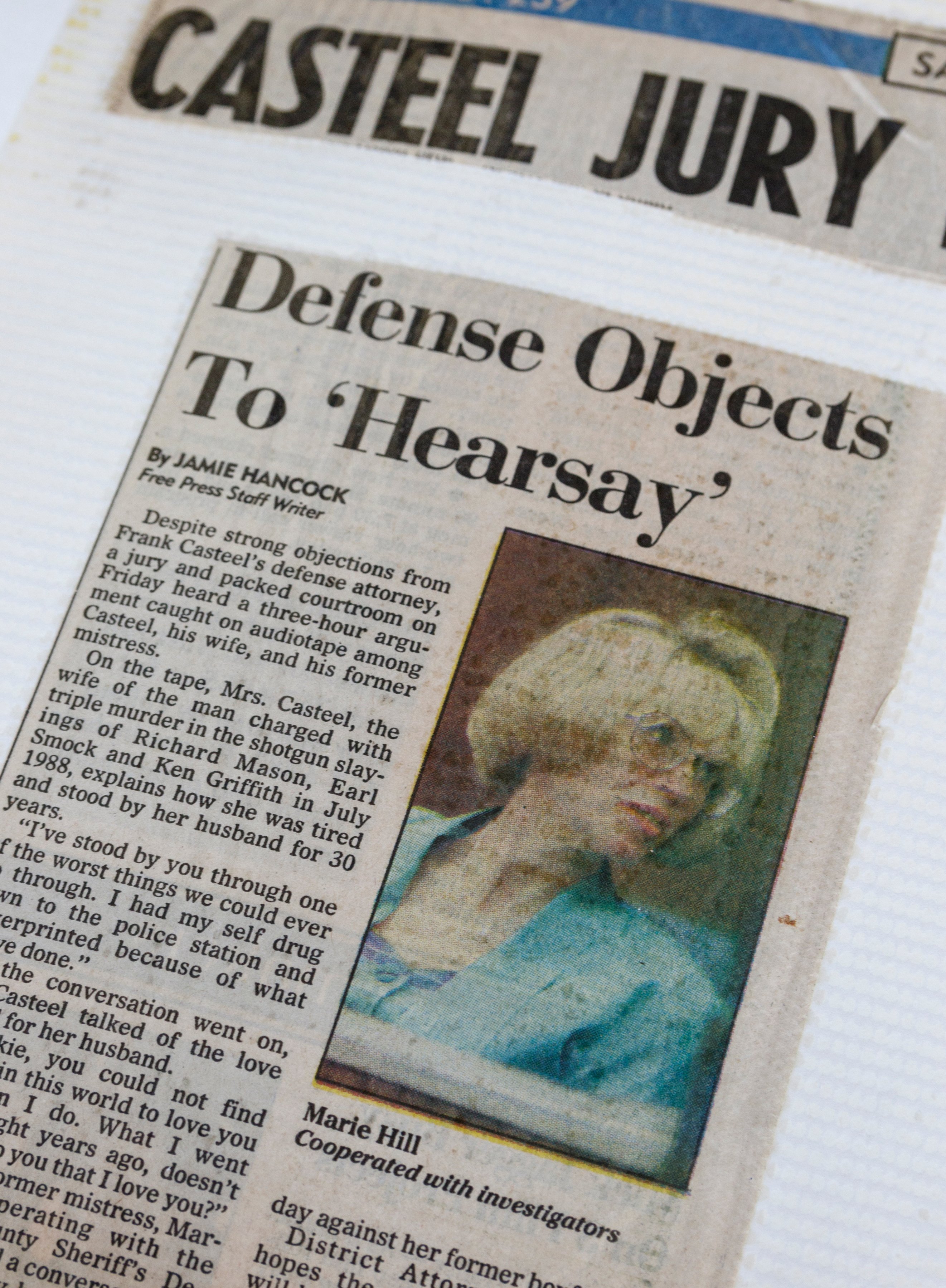
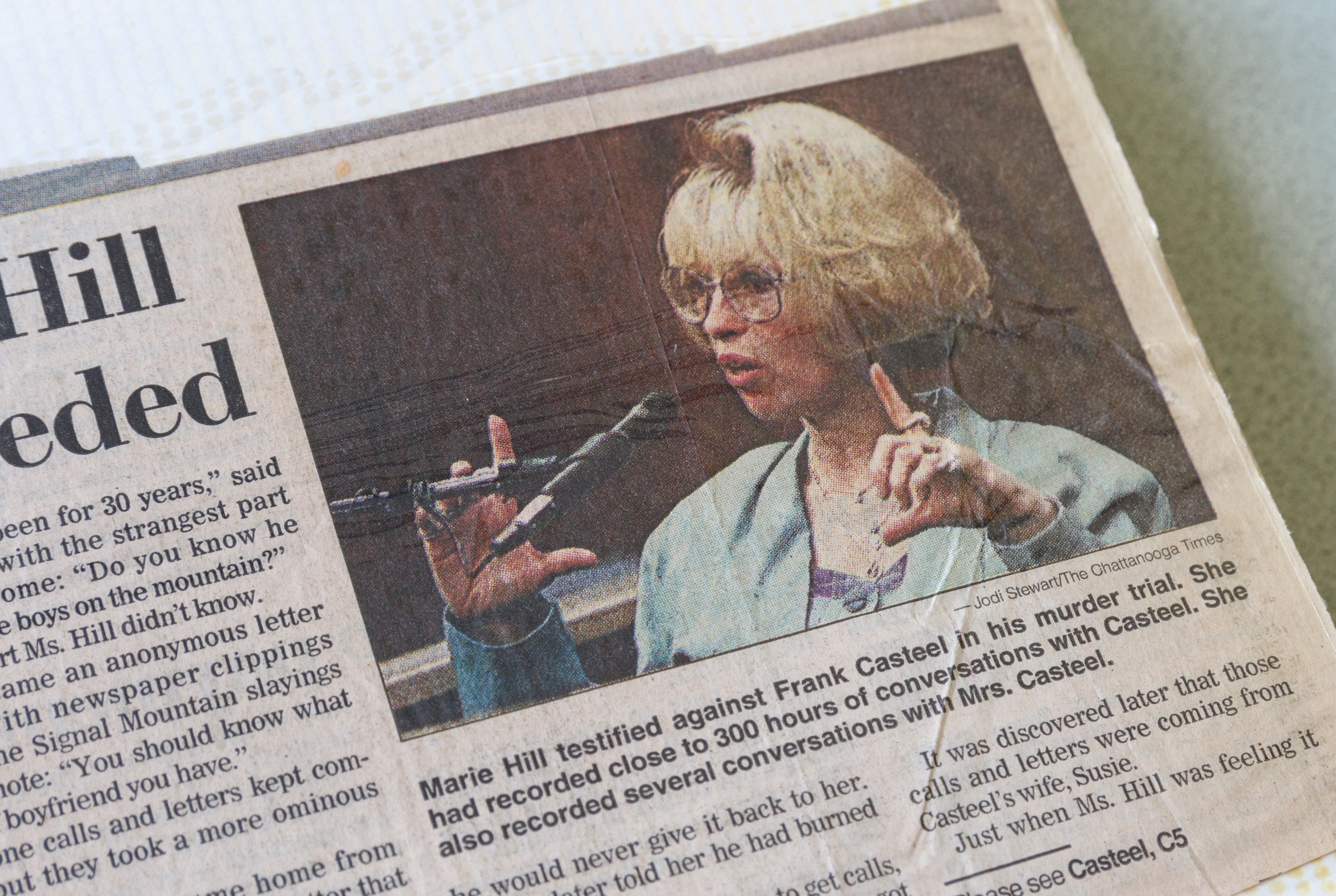
Though Casteel was considered an immediate suspect, authorities didn’t make an arrest until nearly a decade later. But the case itself took on a life of its own, perhaps, in part, because of the out-of-this-world details. It involved a mistress who began secretly recording Casteel in 1996 for authorities after she was warned that he was the killer, a wife who allegedly sent that anonymous warning, two attorneys who successfully co-prosecuted Casteel while running against each other for Hamilton County District Attorney, a second trial that once again resulted in Casteel’s conviction, despite his son’s insistence of innocence, and throughout it all, near-breathless media coverage.
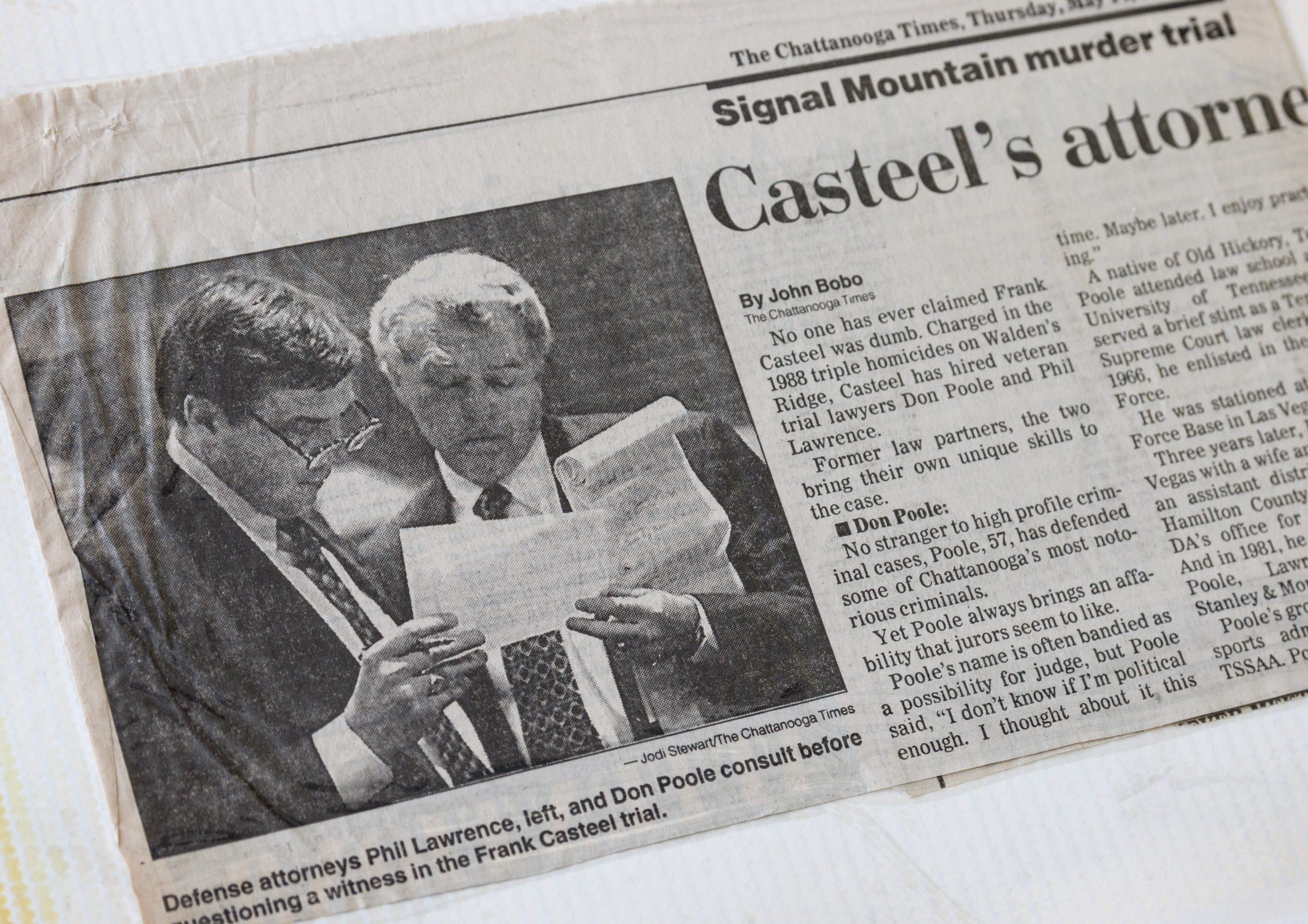
“It was in the news for, it seemed like, 15 years,” said Chattanooga attorney John Cavett, who represented Casteel at his second trial in 2003 after the Tennessee Court of Appeals sent the case back to Chattanooga on an evidentiary issue. “Lawyers and people were constantly contacting me saying, ‘I know what really happened,’ and most of the stories were a variation of a drug deal gone bad. Some had the additional flourish of people seeing planes flying over the mountain real low the day before. A number of people said they saw a parachute fall out of a plane. None of it panned out.”