
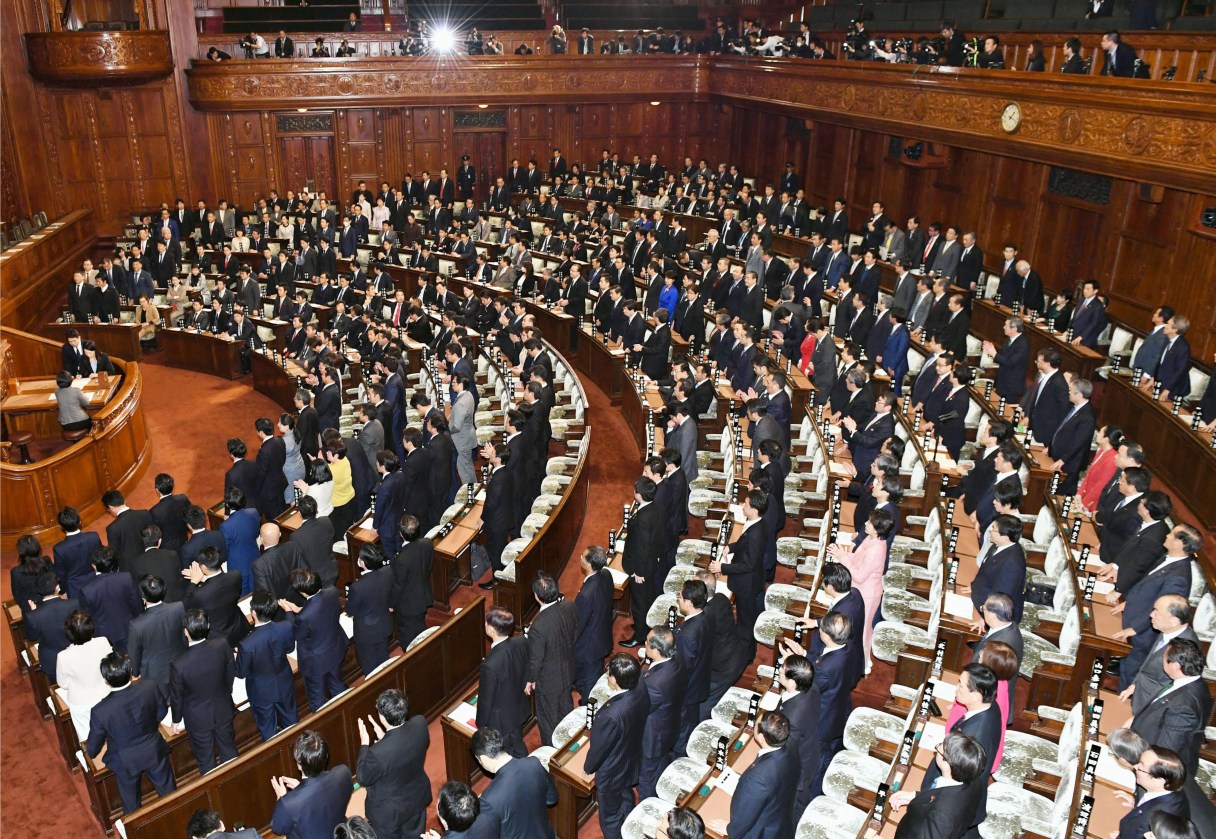
TOKYO (AP) – Japan’s parliament approved Thursday a law on “integrated resorts” that is the first major hurdle in allowing casinos to set up shop in the wealthy nation.
Supporters of the casino legislation say it would enhance Japan’s allure as a tourism destination and draw in wealthier travelers. Big players in the industry welcomed the news, with Wynn Resorts saying it was “extremely pleased” by its passage.
Opponents object to an expansion of legalized gambling, saying it will fuel organized crime and encourage gambling addiction. Surveys have shown a majority of Japanese oppose the plan.
Casinos are unlikely to start operating in Japan until 2021 or beyond, after the Tokyo 2020 Olympic Games. The new legislation would authorize the drafting of regulations for details such as the number and location of casinos, entry restrictions for Japanese and tax rates, which are expected to take up to a year to gain approval.
The approval of the final version of the legislation came in the wee hours Thursday, after a failed attempt by opposition lawmakers to pass a no-confidence motion against its top supporter, Prime Minister Shinzo Abe. Abe has sought passage of the long-delayed legislation for years, over the objections of many in his own ruling Liberal Democratic Party.