
Thursday, November 12, 2026Nov 12

Many leave Dominican Republic for Haiti to avoid deportation

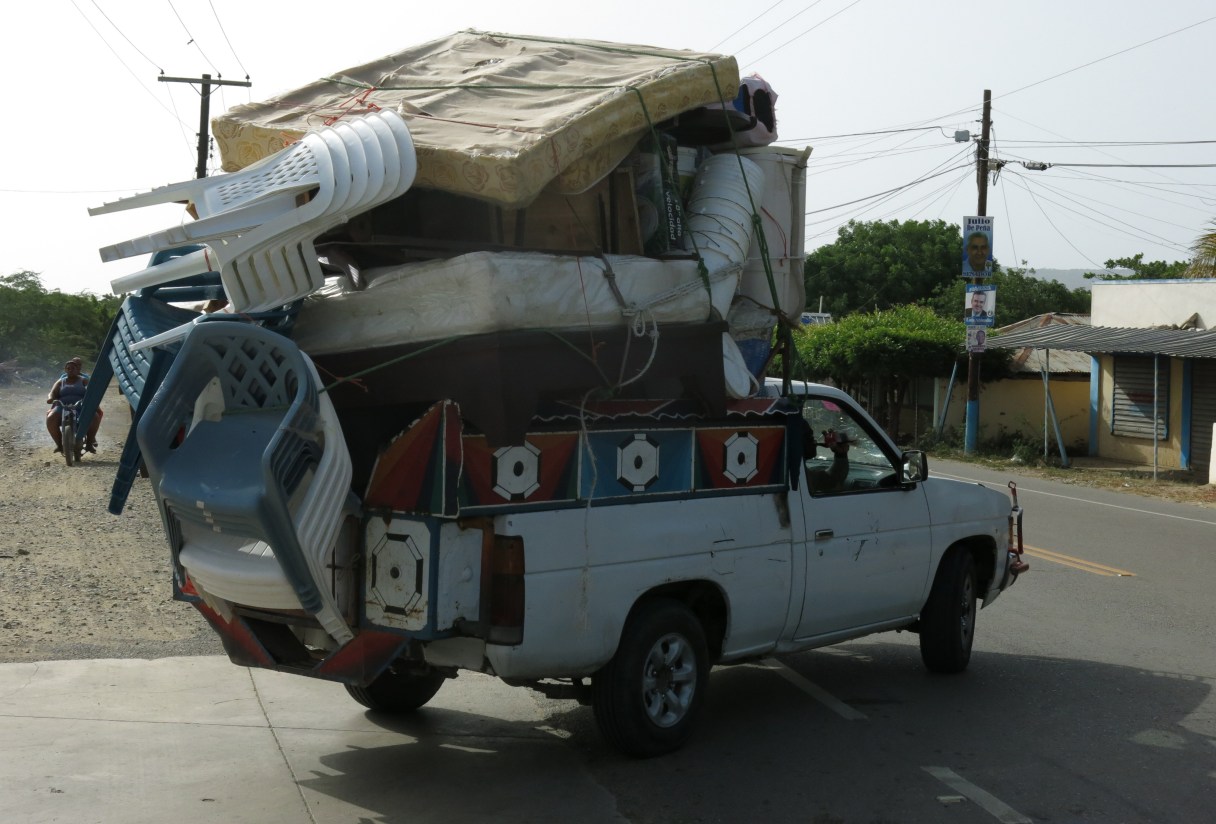
In this June 25, 2015 photo, a moving truck loaded with furniture approaches the border with Haiti, in Dajabon, Dominican Republic. Thousands of people from Haiti or merely of Haitian descent aren’t waiting to find out if they will be forcibly removed from the Dominican Republic now that the deadline has passed to apply for legal residency. (AP Photo/Ezequiel Abiu Lopez)
In this June 25, 2015 photo, a moving truck loaded with furniture approaches the border with Haiti, in Dajabon, Dominican Republic. Thousands of people from Haiti or merely of Haitian descent aren’t waiting to find out if they will be forcibly removed from the Dominican Republic now that the deadline has passed to apply for legal residency. (AP Photo/Ezequiel Abiu Lopez) In this June 25, 2015 photo, a moving truck loaded with furniture approaches the border with Haiti, in Dajabon, Dominican Republic. Thousands of people from Haiti or merely of Haitian descent aren’t waiting to find out if they will be forcibly removed from the Dominican Republic now that the deadline has passed to apply for legal residency. (AP Photo/Ezequiel Abiu Lopez)

OUANAMINTHE, Haiti (AP) – Thousands of people from Haiti or merely of Haitian descent aren’t waiting to see if they’ll be forcibly removed from the Dominican Republic now that the deadline has passed to apply for legal residency.

The end of a yearlong application period has sparked an exodus to Haiti of people who failed to qualify. Some plan to wait out what they fear could be a wave of mass deportations, while others will start uncertain new lives on the poorer side of Hispaniola.

The two countries that share the Caribbean island have a fraught history, with generations of Haitians crossing into the Dominican Republic to take low-wage jobs in fields like agriculture and construction. They’ve also encountered discrimination and periodic crackdowns.

Among those who have left recently are Haitian farmworker Eragene Moncher, despite the fact he actually qualified for the “regularization” program for foreign-born people.

He returned to the homeland he left more than 20 years ago after failing to get the documents necessary for five of his six children to establish Dominican residency, all of whom were born there.