
Wednesday, November 11, 2026Nov 11

Anxious tenants await assistance as evictions resume

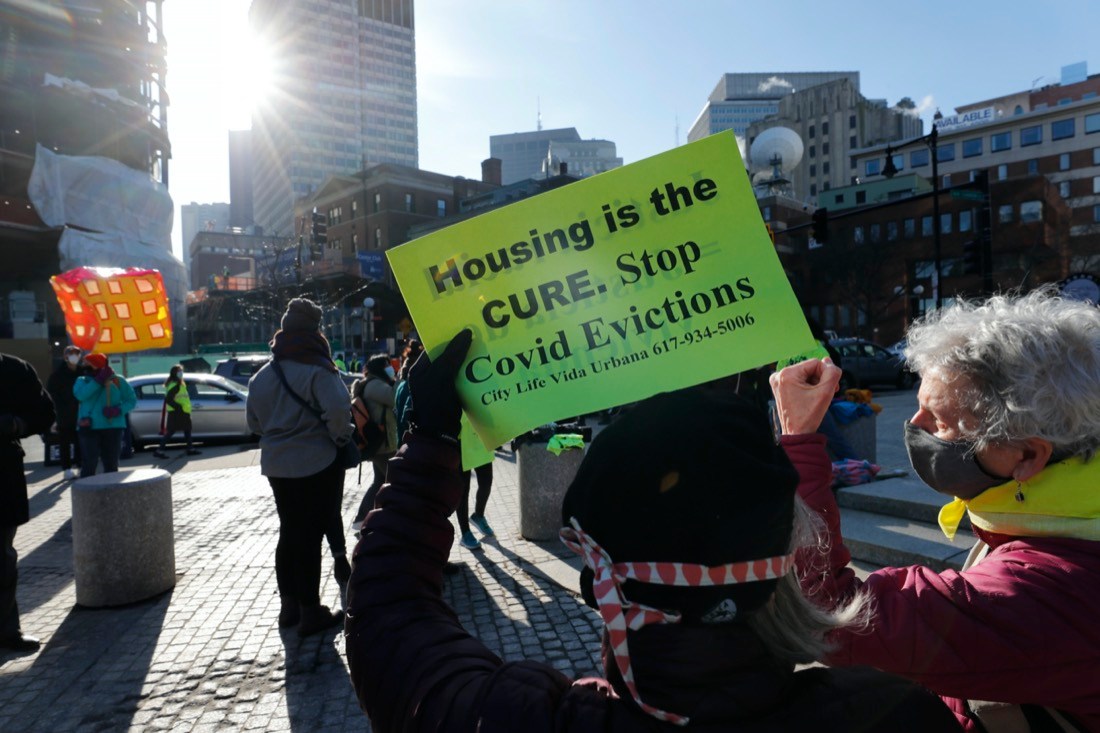
FILE - In this Jan. 13, 2021 file photo, tenants' rights advocates demonstrate outside the Edward W. Brooke Courthouse in Boston. States have begun to ramp up the amount of rental assistance reaching tenants but there are still millions of families facing eviction who haven't gotten help. The Treasury Department says just $5.1 billion of the estimated $46.5 billion in federal rental assistance, or only 11%, has been distributed by states and localities through July. (AP Photo/Michael Dwyer, file)
FILE - In this Jan. 13, 2021 file photo, tenants' rights advocates demonstrate outside the Edward W. Brooke Courthouse in Boston. States have begun to ramp up the amount of rental assistance reaching tenants but there are still millions of families facing eviction who haven't gotten help. The Treasury Department says just $5.1 billion of the estimated $46.5 billion in federal rental assistance, or only 11%, has been distributed by states and localities through July. (AP Photo/Michael Dwyer, file) FILE - In this Jan. 13, 2021 file photo, tenants' rights advocates demonstrate outside the Edward W. Brooke Courthouse in Boston. States have begun to ramp up the amount of rental assistance reaching tenants but there are still millions of families facing eviction who haven't gotten help. The Treasury Department says just $5.1 billion of the estimated $46.5 billion in federal rental assistance, or only 11%, has been distributed by states and localities through July. (AP Photo/Michael Dwyer, file)

COLUMBIA, S.C. (AP) – Six months after Congress approved spending tens of billions of dollars to bail out renters facing eviction, South Carolina was just reaching its first tenants. All nine of them.

Like most states, it had plenty of money to distribute – $272 million. But it had handed out just over $36,000 by June. The pace has since intensified, but South Carolina still has only distributed $15.5 million in rent and utility payments as of Aug. 20, or about 6% of its funds.

“People are strangling on the red tape,” said Sandy Gillis, executive director of the Hilton Head Deep Well Project, which stopped referring tenants to the program and started paying overdue rent through its own private funds instead.

The struggles in South Carolina are emblematic of a program launched at the beginning of the year with the promise of solving the pandemic eviction crisis, only to fall victim in many states to bureaucratic hurdles, political inertia and unclear guidance at the federal level.

The concerns about the slow pace intensified Thursday, after the Supreme Court blocked the Biden administration from enforcing a temporary ban that was put in place because of the coronavirus pandemic. Some 3.5 million people in the U.S. as of Aug. 16 said they face eviction in the next two months, according to the U.S. Census Bureau’s Household Pulse Survey.