


While many of us think a lot about what we put into our bodies, going to great lengths to avoid a list of ingredients, additives and processes long enough to fill a page, there are still relatively few people who put the same level of consideration into the negative health effects of many materials used in home construction.
“We unfortunately don’t think about ingredients in building products as much as we think about ingredients in other things,” says Michael Walton, executive director of green|spaces, a local nonprofit focused on environmental sustainability and enhancing quality of life in the community. “Even very expensive homes get filled with some of the nastiest stuff out there.”
Examples include formaldehyde, used in adhesives on interior doors and cabinets; Volatile Organic Compounds, found in construction adhesives and paints; and phthalates (endocrine disruptors), released from vinyl found in floors and windows.
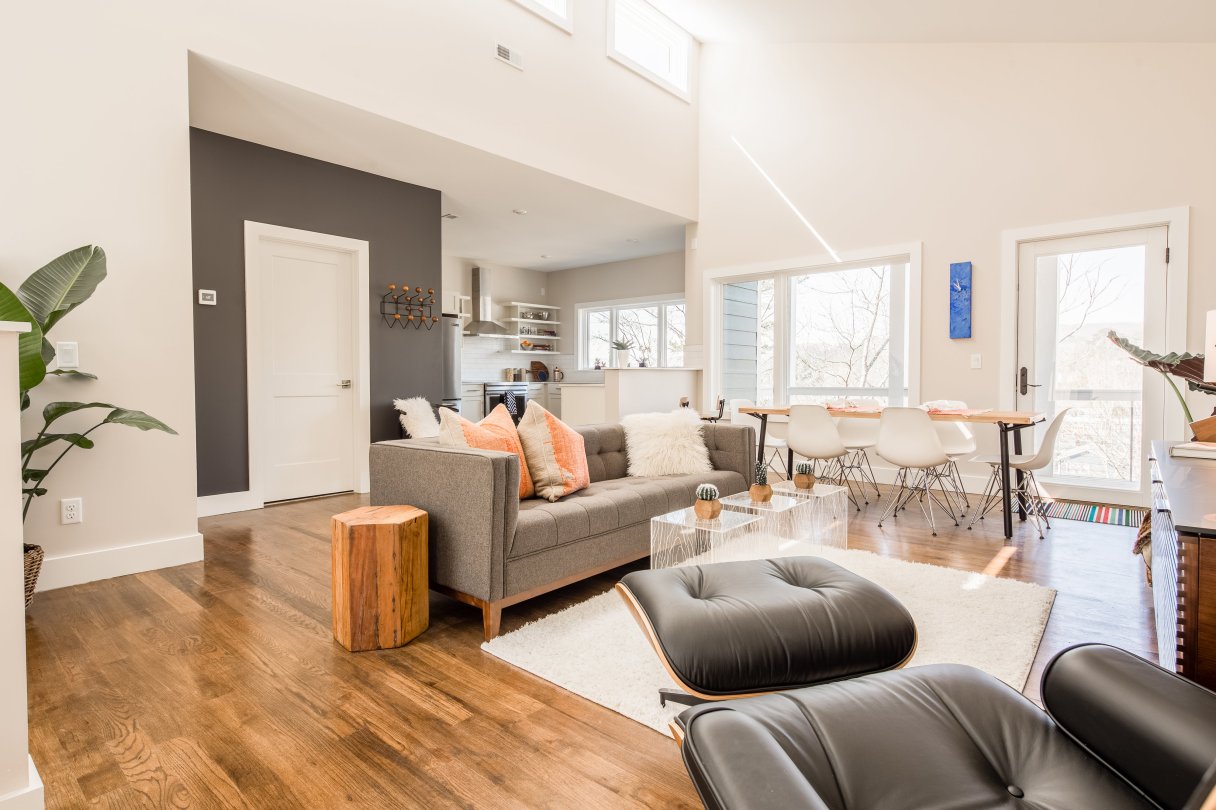
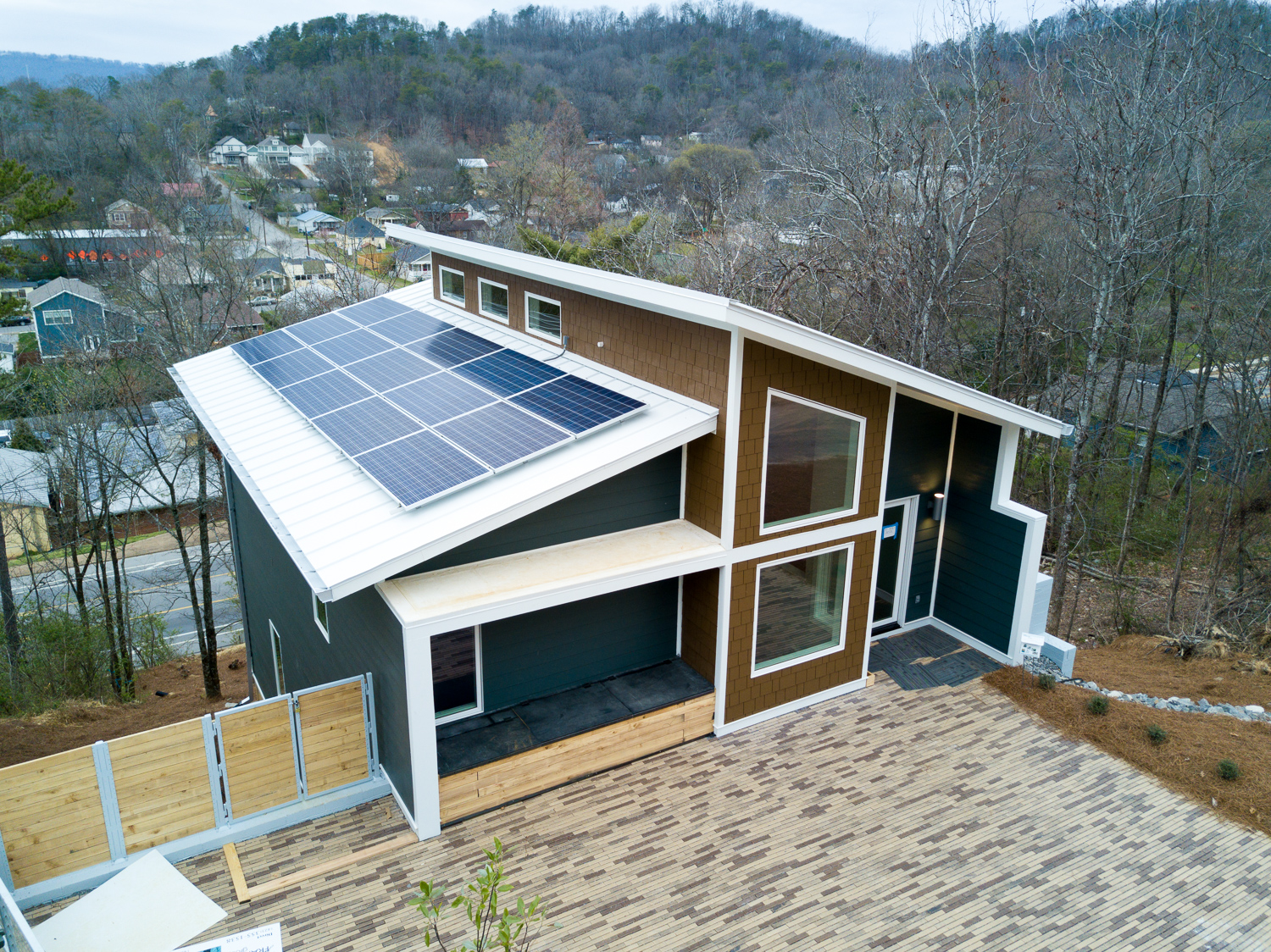
But people are starting to take notice. From older buyers looking to reduce their energy bills and more easily project fixed expenses, to young families who want a home built with healthy materials, the demand for energy-efficient, healthy homes is growing. In 2016, 33 percent more net-zero homes were built across the U.S. and Canada than the year before, according to a Net Zero Energy Coalition Report. After all, it’s hard to resist the temptation of leaving electric bills behind and having them replaced by energy credits. Net-zero homes produce as much energy as they consume over the course of a year.
In 2014, green|spaces launched a project to answer the question of why healthy, high-performance homes aren’t standard practice in new construction. Walton says builders reported that buyers weren’t asking for features like energy efficiency and healthy materials, while buyers believed those features must not be available or possible to include in a home built at their price point. The nonprofit wanted to produce a product that dispelled both of those assumptions, he says.