
Wednesday, November 11, 2026Nov 11

Cuts to food stamps will only hit 4 states

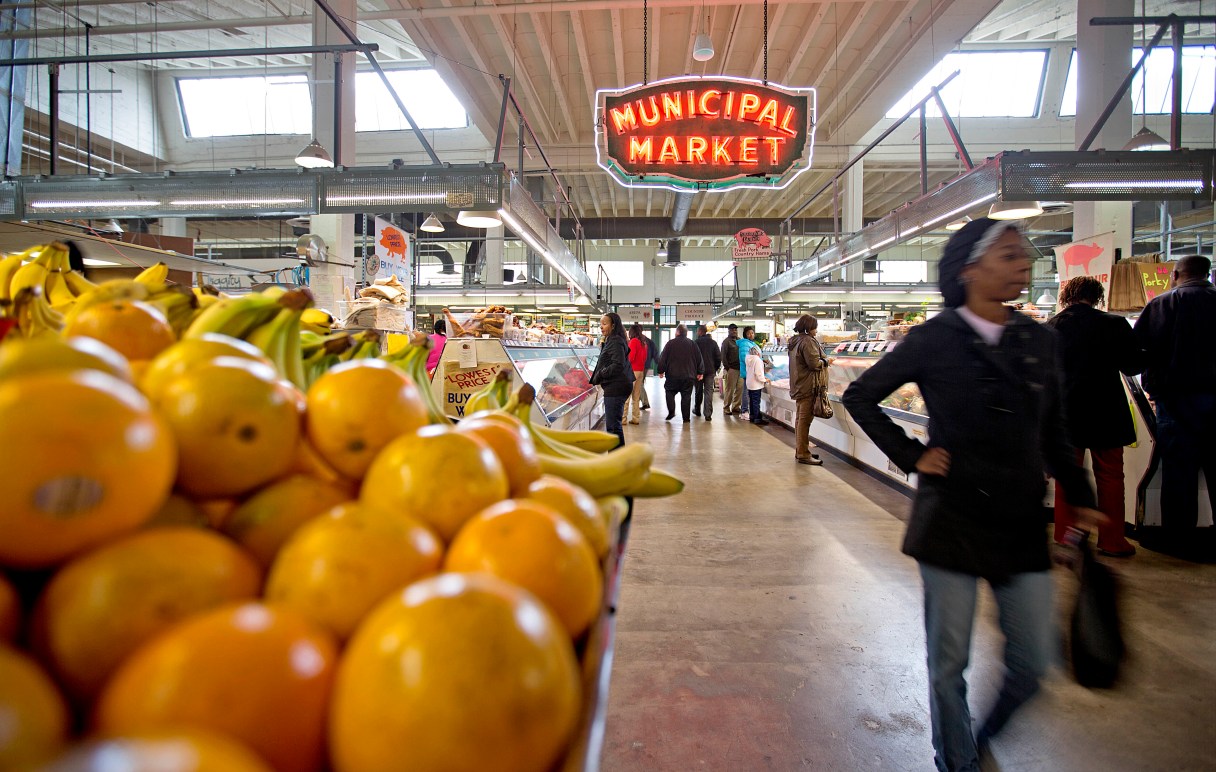
FILE - This Dec. 20, 2013, file photo shows shoppers passing through the Sweet Auburn Curb Market in Atlanta. Cuts to the nation's food stamp program enacted earlier this year are only affecting four states, far from the sweeping reform that Republicans had pushed, according to an Associated Press review. As a result, it's unclear if the law will realize the estimated $8.6 billion in savings over 10 years that the GOP had touted.  (AP Photo/David Goldman, File)
FILE - This Dec. 20, 2013, file photo shows shoppers passing through the Sweet Auburn Curb Market in Atlanta. Cuts to the nation's food stamp program enacted earlier this year are only affecting four states, far from the sweeping reform that Republicans had pushed, according to an Associated Press review. As a result, it's unclear if the law will realize the estimated $8.6 billion in savings over 10 years that the GOP had touted. (AP Photo/David Goldman, File) FILE - This Dec. 20, 2013, file photo shows shoppers passing through the Sweet Auburn Curb Market in Atlanta. Cuts to the nation's food stamp program enacted earlier this year are only affecting four states, far from the sweeping reform that Republicans had pushed, according to an Associated Press review. As a result, it's unclear if the law will realize the estimated $8.6 billion in savings over 10 years that the GOP had touted. (AP Photo/David Goldman, File)

WASHINGTON (AP) – Cuts to the nation’s food stamp program enacted this year are only affecting four states, far from the sweeping overhaul that Republicans had pushed, an Associated Press review has found.

As a result, it’s unclear whether the law will realize the estimated $8.6 billion in savings over 10 years that the GOP had advertised.

A farm bill signed by President Barack Obama in February attempted to save money by scaling back what lawmakers called a loophole in the food stamp program that entitles low-income families to more food aid if they participate in a federal heating assistance program. States were giving some people as little as $1 a year in heating assistance so they could get more food aid. It’s called “heat and eat.”

Among the 16 states that allow the practice or some form of it, 12 governors have taken steps to avoid the food stamp cuts.

“Government’s role is to help people help themselves, and these steps are necessary to help our most vulnerable residents and families meet their most basic needs,” Massachusetts Gov. Deval Patrick said when he announced his state’s move earlier this year.