
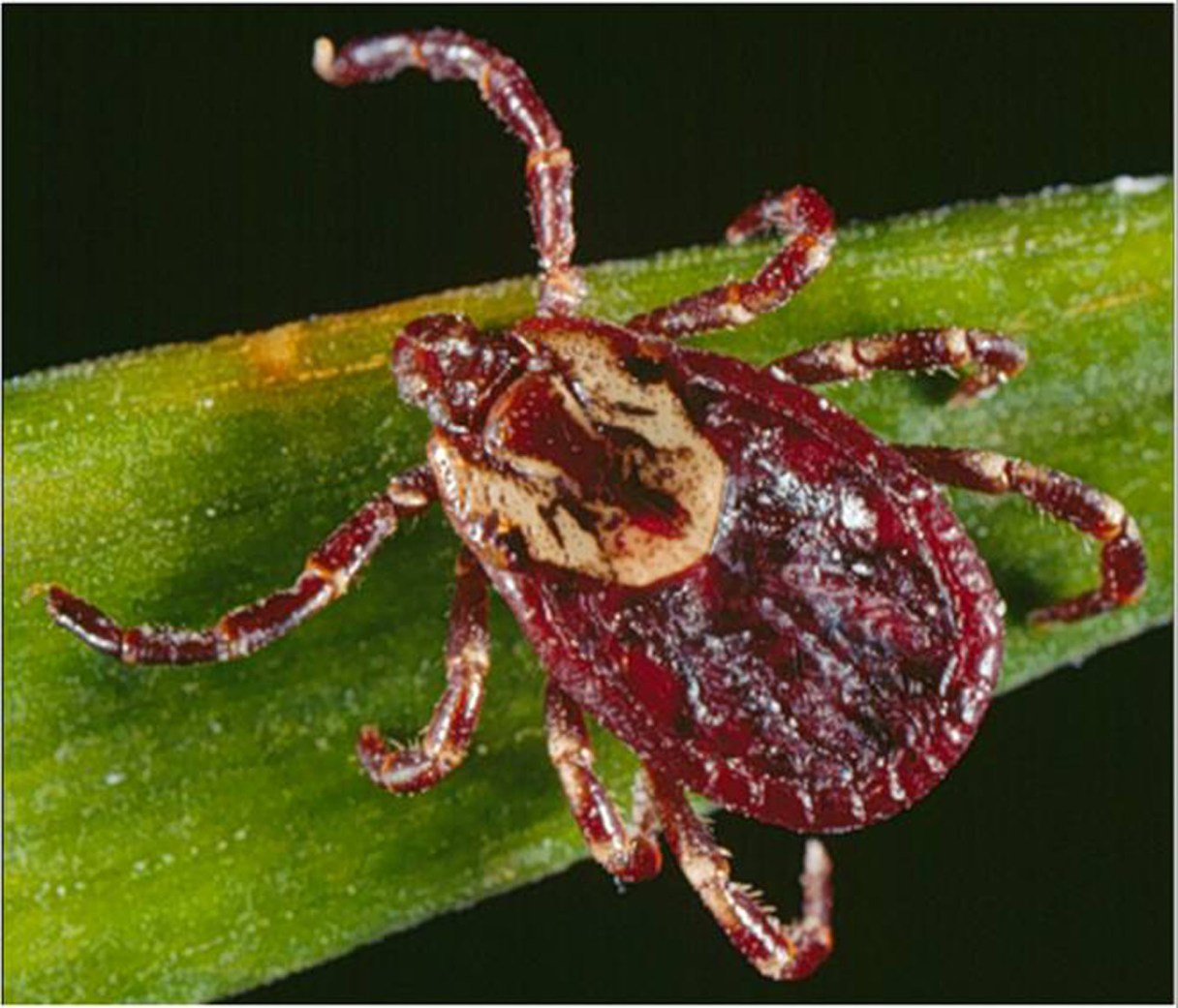
How to remove a tick
› Use fine-tipped tweezers to grasp the tick as close to the skin’s surface as possible.› Pull upward with steady, even pressure. Don’t twist or jerk the tick; this can cause the mouth-parts to break off and remain in the skin. If this happens, remove the mouth-parts with tweezers. If you are unable to remove the mouth easily with clean tweezers, leave it alone and let the skin heal.› After removing the tick, thoroughly clean the bite area and your hands with rubbing alcohol, an iodine scrub or soap and water.› Dispose of a live tick by submersing it in alcohol, placing it in a sealed bag/container, wrapping it tightly in tape, or flushing it down the toilet. Never crush a tick with your fingers.Source: U.S. Centers for Disease Control and Prevention
An unusually warm and wet winter and spring has set the foundation for “Bug City” here in Chattanooga, according to experts.
Chattanooga temperatures were 3.4 degrees above average this spring, making it the second warmest since 1879, according to the National Weather Service. The winter, with a daily average temperature of 5.7 degrees above average, was the fourth warmest. And WRCB chief meteorologist Paul Barys said a March cold spell wasn’t enough to wipe out the bugs.
“It would have to be below freezing and stay freezing for at least 10 days or longer,” he said.
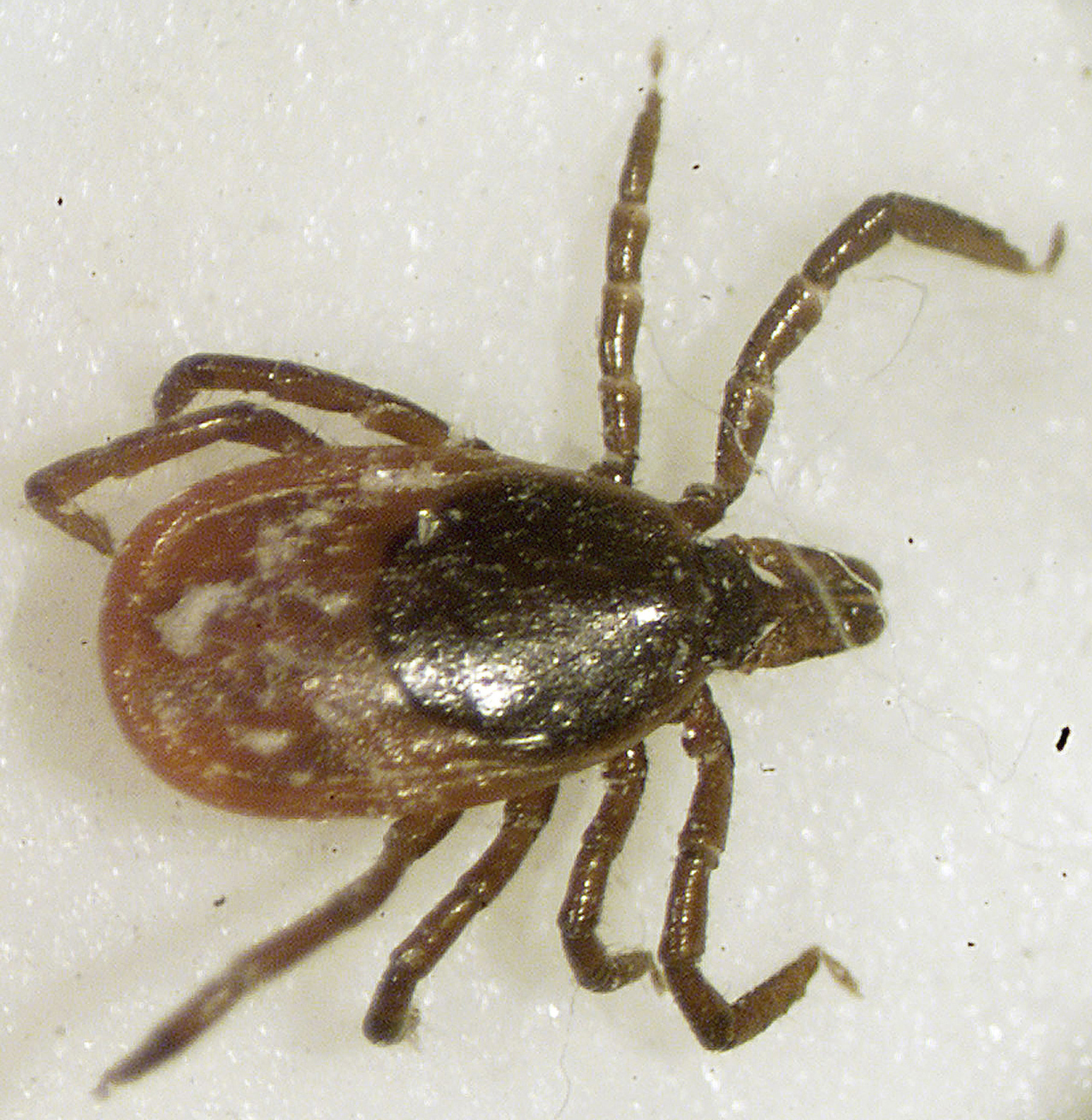 This March 2002 file photo shows a deer tick under a microscope in the entomology lab at the University of Rhode Island in South Kingstown, R.I. (AP Photo/Victoria Arocho, File)
Additionally, plentiful spring rains contributed to what Chris Moore, former board member of the Wilderness Medical Society, calls a “perfect storm” for an increase in ticks this season.