
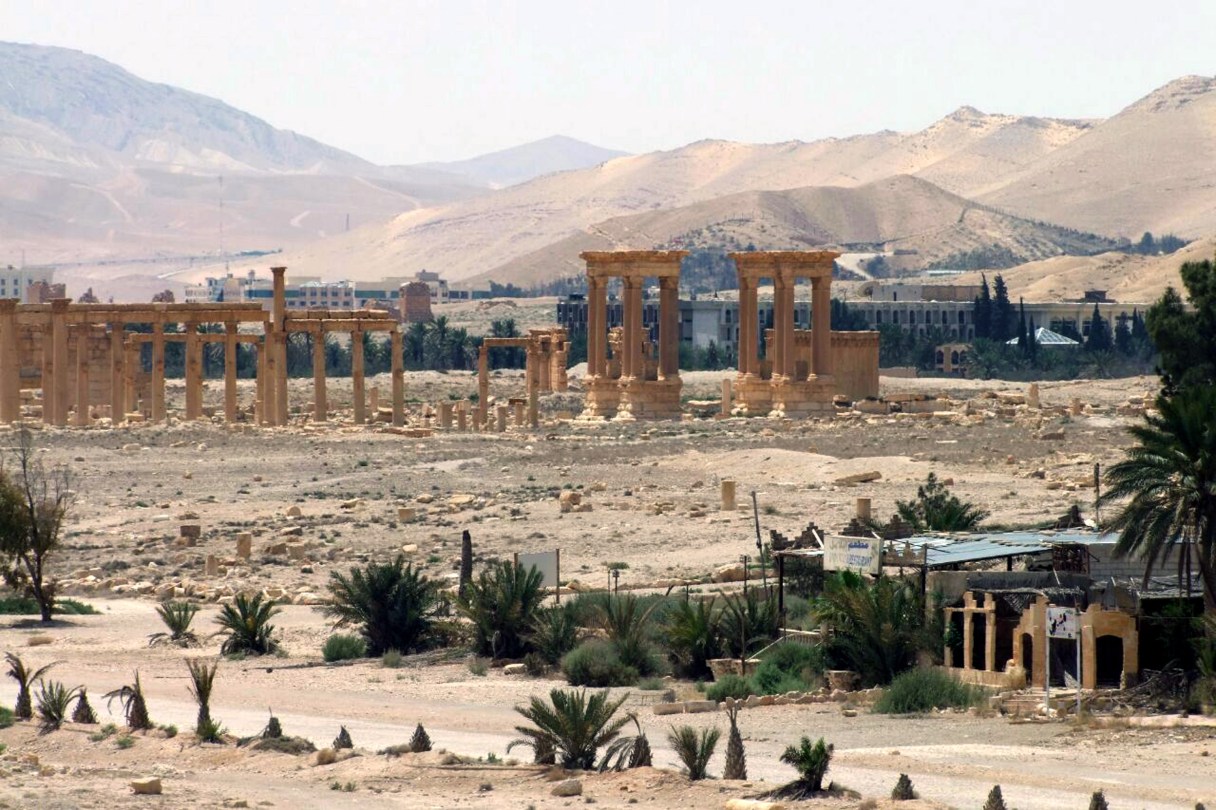
WASHINGTON – Why should people care about the past or the future? That may sound like a perverse question, but it’s at the center of two recent stories – one involving the Islamic State’s destruction of antiquities at Palmyra in Syria, and the other a presidential warning about damage to the planet decades hence.
The unpleasant, amoral question usually doesn’t get asked: Why should people give a hoot about their ancestors or descendants? What constrains us from simply acting selfishly?
 David Ignatius
Certainly, we don’t have any formal obligation to preserve old relics, unless they’re protected by law. And in the march of progress, we frequently bulldoze old structures and barely notice. As for the environment, why shouldn’t people maximize their self-interest today, even if it harms the welfare of descendants most of us will never meet?
On Aug. 25, Islamic State activists posted on social media photographs of what they claimed was the destruction of the “Temple of Baal Shamin” in the nearly 2,000-year-old Roman city of Palmyra, which the extremists had captured in May.
A ghastly satellite image was released Tuesday by a United Nations agency, confirming this assault on history. It showed rubble where the walls of the site’s main building once stood.