
Thursday, November 12, 2026Nov 12

Marketing agreement an obstacle in US bid for 2024

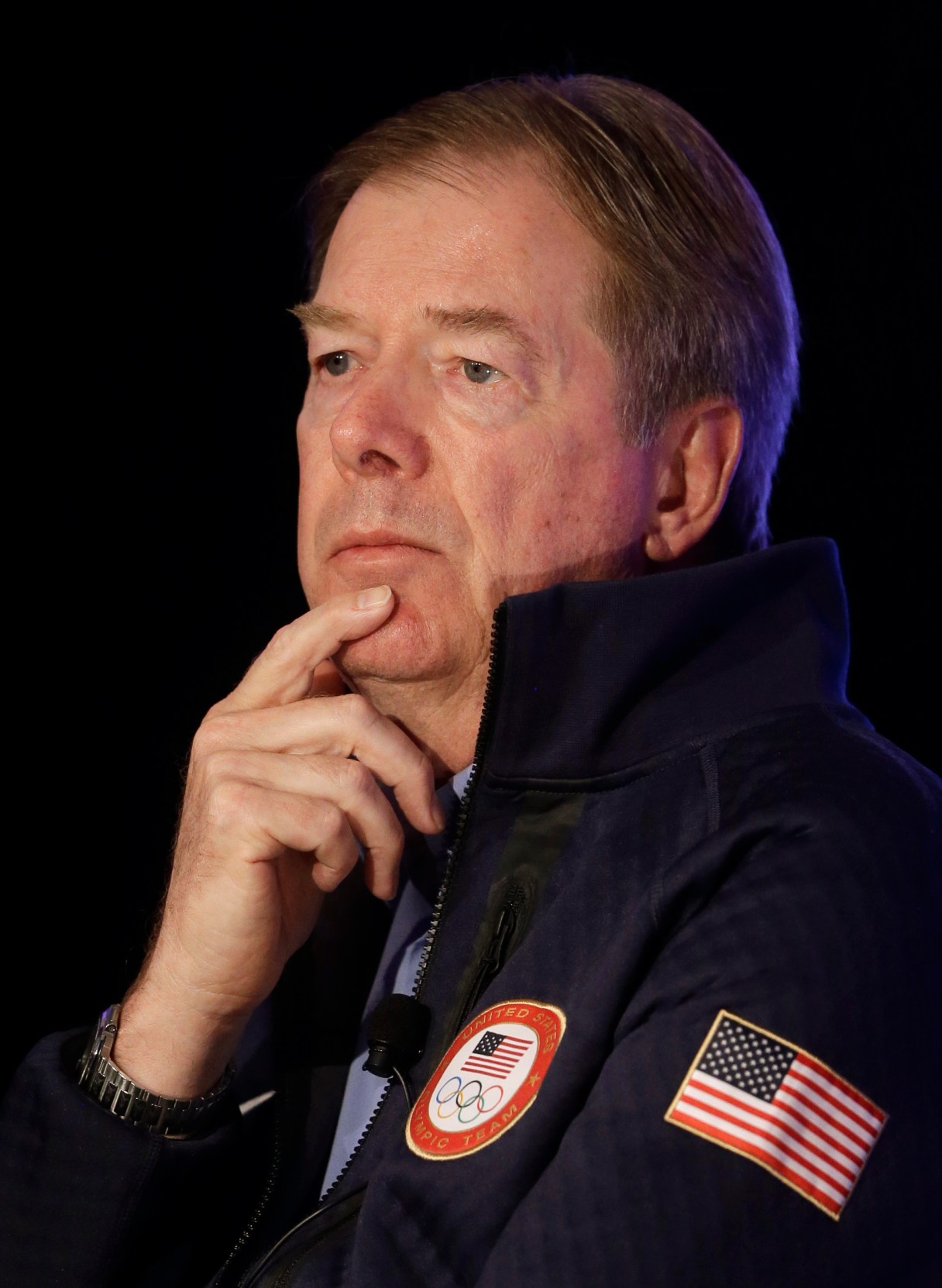
FILE - In this Oct. 1, 2-13 file photo, U.S. Olympic Committee Chairman Larry Probst listens during a news conference in Park City, Utah. If Boston, Los Angeles, San Francisco or Washington are picked as a candidate to host the 2024 Olympics, the U.S. Olympic Committee might not feel like a winner right away. One of its first tasks will be to hand over millions in sponsorship cash to the winning city's new organizing committee.  (AP Photo/Rick Bowmer, File)
FILE - In this Oct. 1, 2-13 file photo, U.S. Olympic Committee Chairman Larry Probst listens during a news conference in Park City, Utah. If Boston, Los Angeles, San Francisco or Washington are picked as a candidate to host the 2024 Olympics, the U.S. Olympic Committee might not feel like a winner right away. One of its first tasks will be to hand over millions in sponsorship cash to the winning city's new organizing committee. (AP Photo/Rick Bowmer, File) FILE - In this Oct. 1, 2-13 file photo, U.S. Olympic Committee Chairman Larry Probst listens during a news conference in Park City, Utah. If Boston, Los Angeles, San Francisco or Washington are picked as a candidate to host the 2024 Olympics, the U.S. Olympic Committee might not feel like a winner right away. One of its first tasks will be to hand over millions in sponsorship cash to the winning city's new organizing committee. (AP Photo/Rick Bowmer, File)

COLORADO SPRINGS, Colo. (AP) – If Boston, Los Angeles, San Francisco or Washington is picked to host the 2024 Olympics, the U.S. Olympic Committee will pay the price for winning. One of its first tasks will be to hand over millions in sponsorships to the victorious city’s newly formed organizing committee.

It’s one of those costly facts of life in the Olympics thanks to the Joint Marketing Program Agreement that a country’s Olympic federation must sign when it puts a city up as a candidate to host the Games. It also played into the failures of New York and Chicago in the last two U.S. attempts to land the Olympics.

The last two American bids have included agreements that didn’t conform with the International Olympic Committee’s guidelines, which call for around 90 percent of the host federation’s domestic sponsorship to be channeled to the new organizing committee. The USOC, not backed by any government funding, has balked at the terms because it would have trouble making up for the millions it gives away.

It would likely seek a different arrangement for a 2024 bid, as well.

“A lot of countries might say it’s not an issue,” said Jim Scherr, the CEO of the USOC when New York finished fourth in the 2012 bidding. “They know if the Olympic committee loses money, the government will step in and make up the difference. You put it on the government’s tab and call it a day.”