
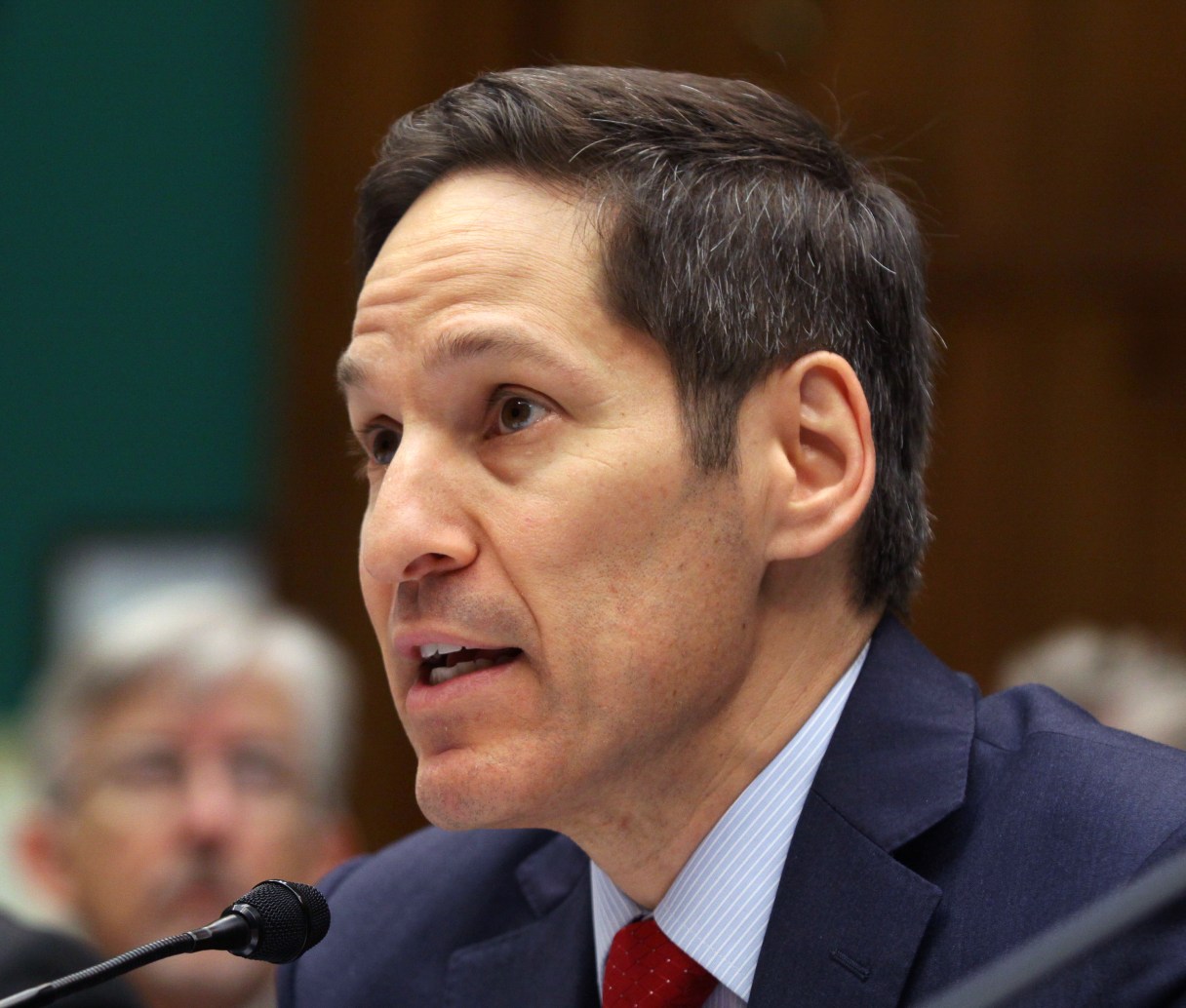
NEW YORK (AP) – The director of the Centers for Disease Control and Prevention acknowledged Wednesday that systemic safety problems have for years plagued federal public health laboratories that handle dangerous germs such as anthrax and bird flu.
Testifying at a congressional hearing in Washington, CDC Director Dr. Tom Frieden said the agency had long thought of the lapses as unrelated accidents. But two particularly serious mistakes this year caused officials to re-examine lab safety in a new light.
“In hindsight, we realize we missed a crucial pattern” of a lax safety culture, Frieden told lawmakers on the House Energy and Commerce Committee, which was seeking details about a series of lapses reported over the last decade at labs run by the Atlanta-based agency.
One incident happened last month at a CDC lab that handles bioterrorism agents. The lab was supposed to completely kill anthrax samples before sending them to two other CDC labs that had fewer safeguards for containing dangerous germs. But the higher-security lab did not completely sterilize the bacteria.
Dozens of CDC workers were potentially exposed to anthrax, but no one got sick. An internal CDC investigation released last week found serious safety lapses, including use of unapproved sterilization techniques and use of a potent type of anthrax in an experiment that did not require that germ.