
Thursday, October 29, 2026Oct 29

This story is free to read.

State agencies go electrofishing to determine health of local waterways

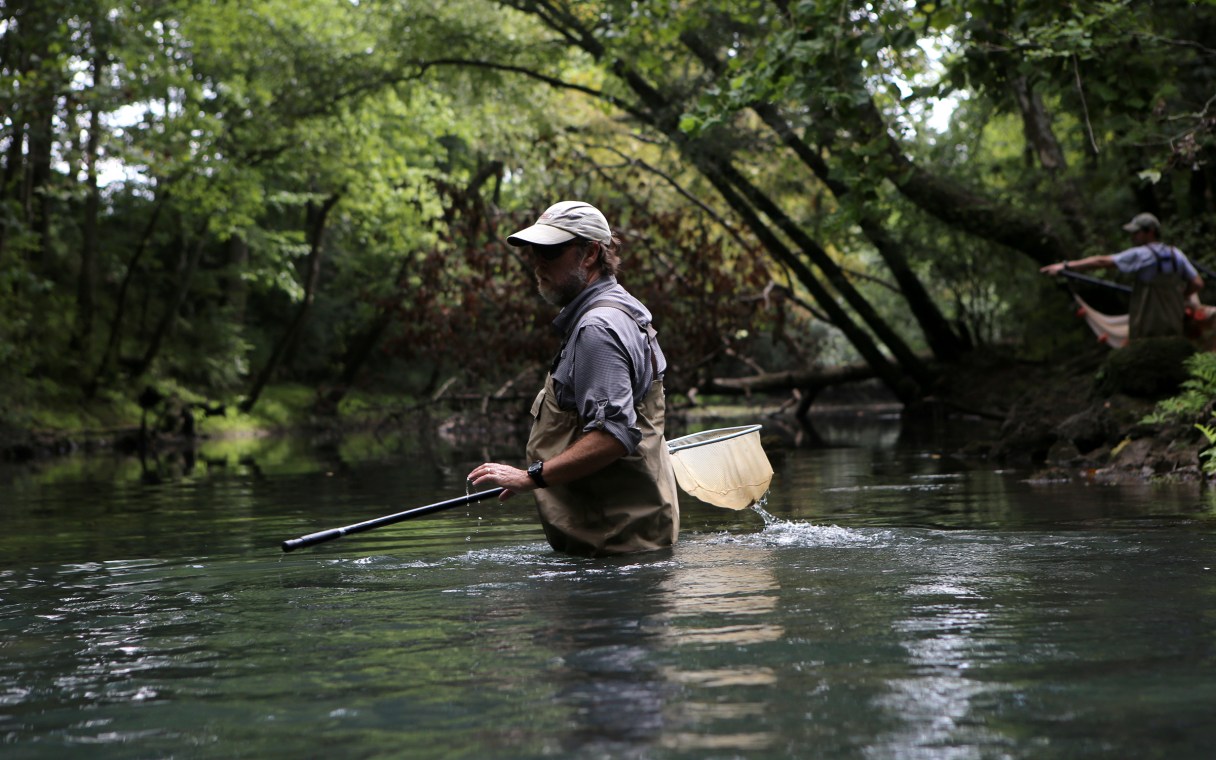
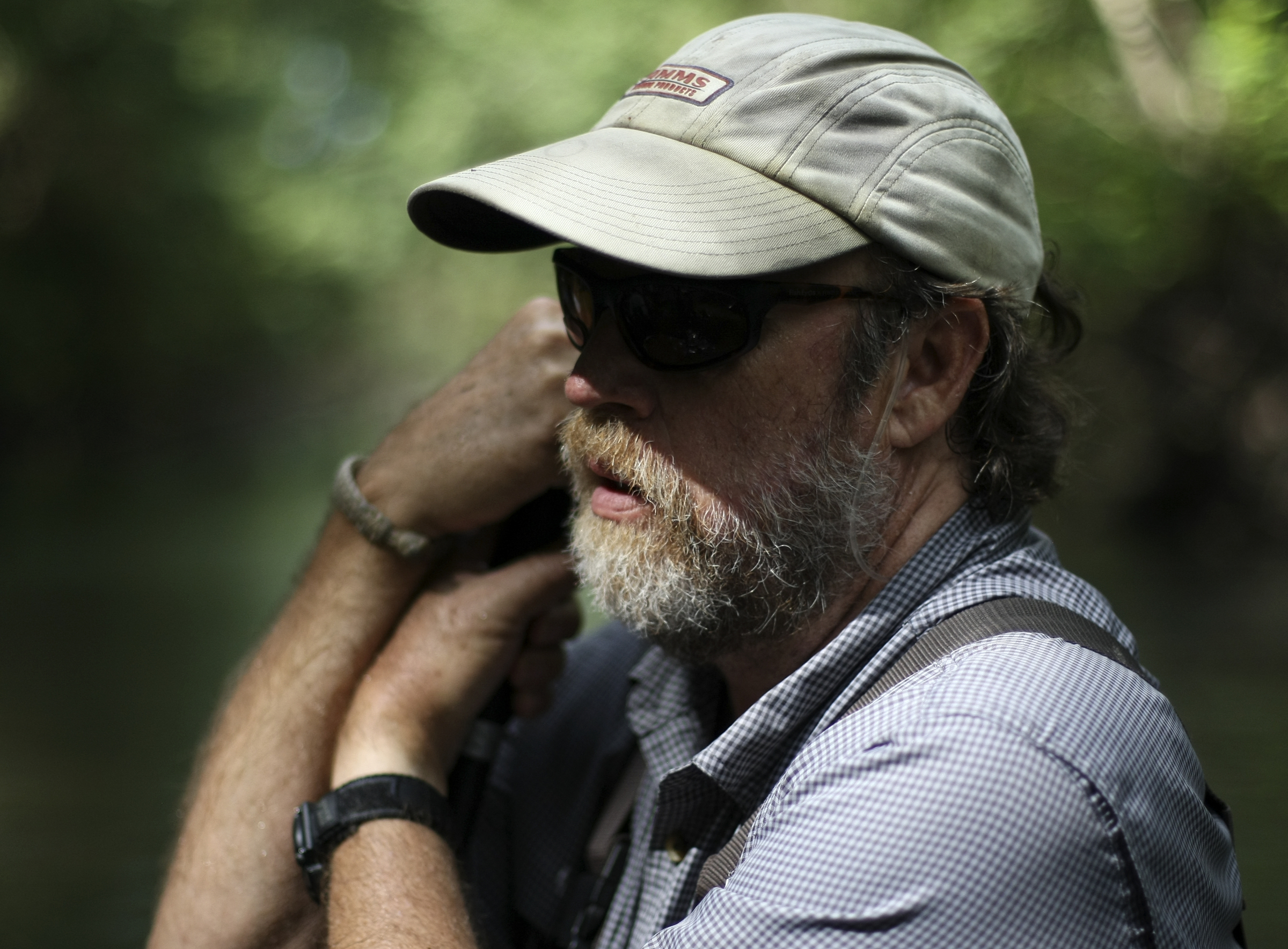
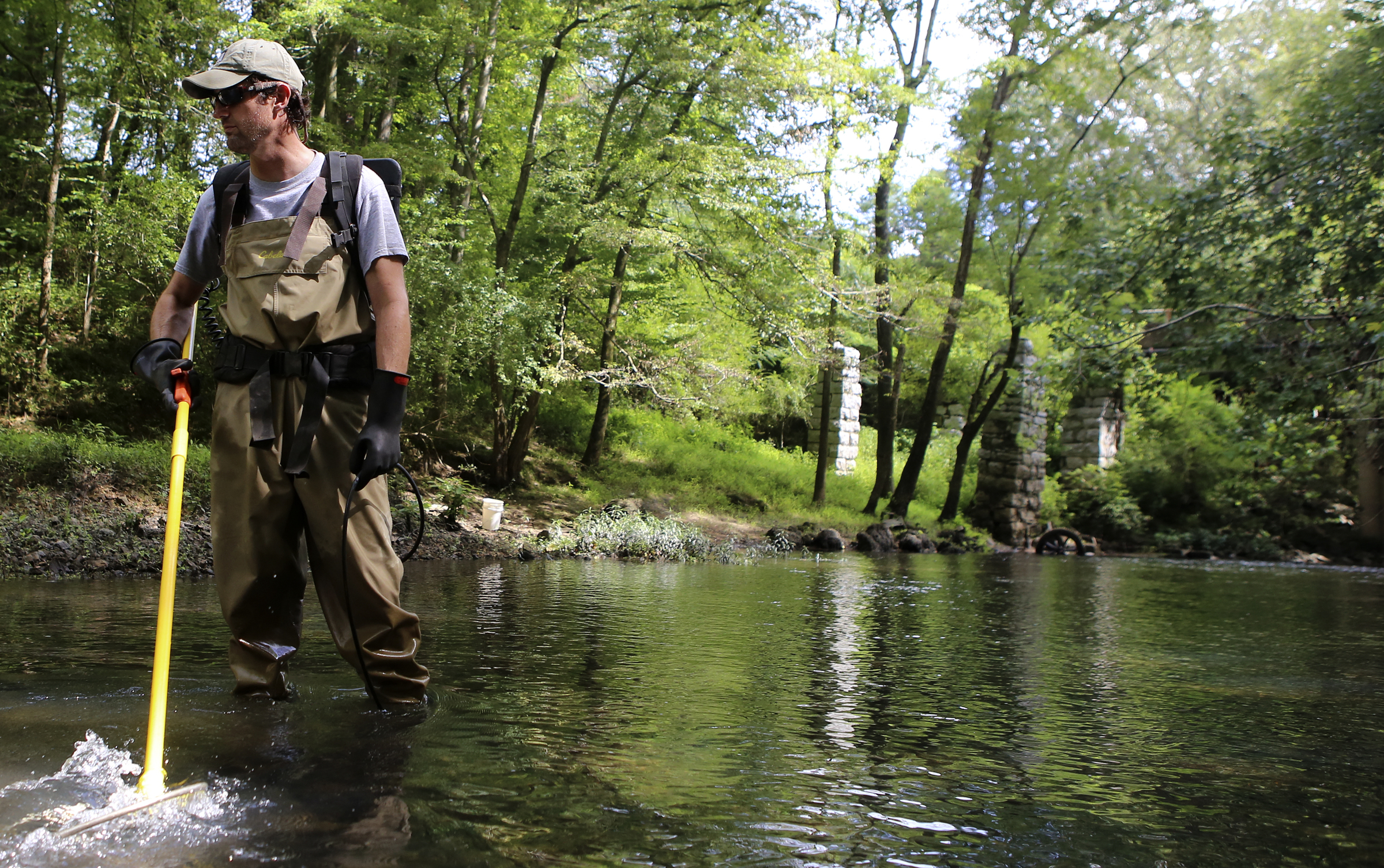
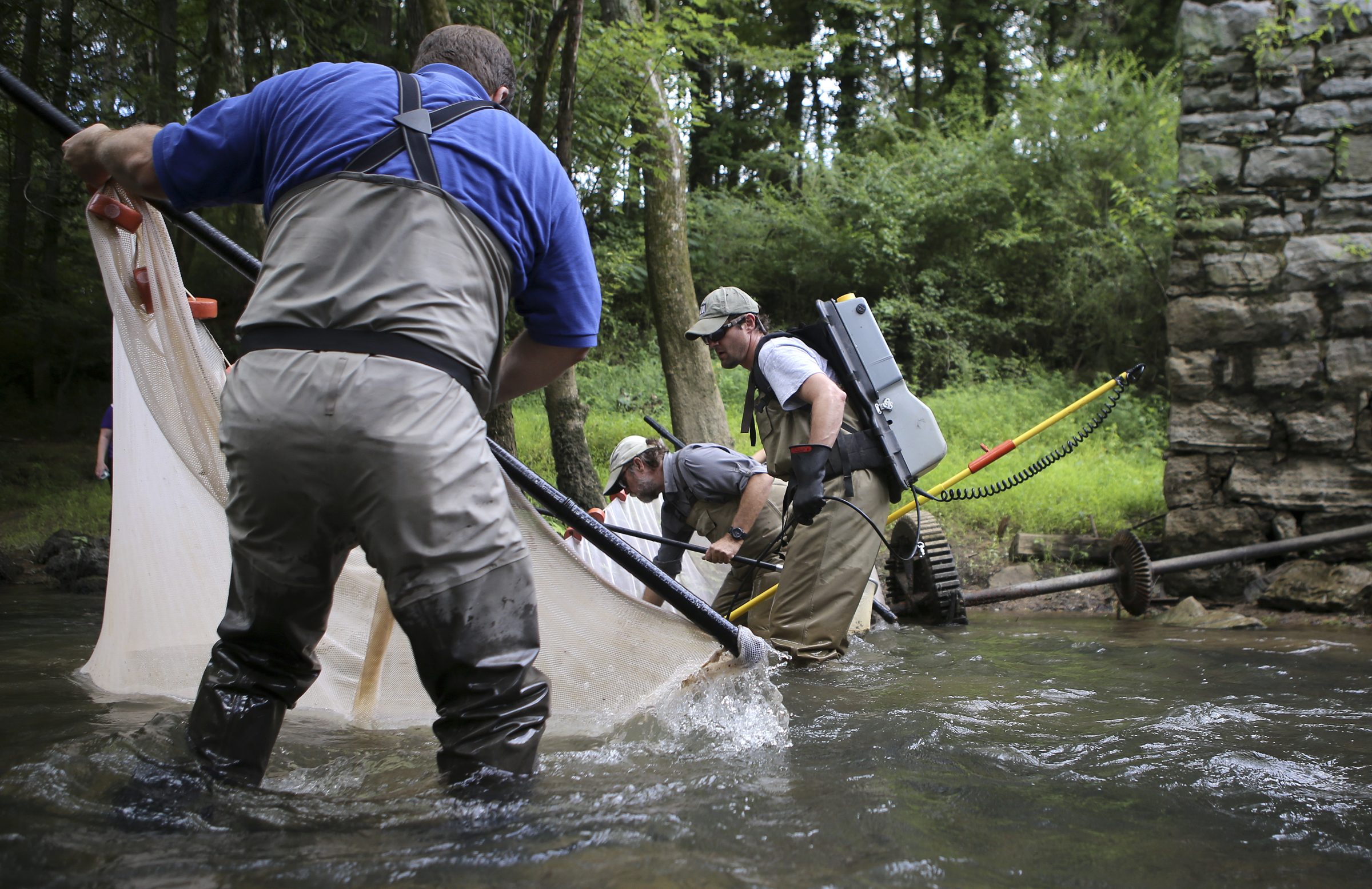
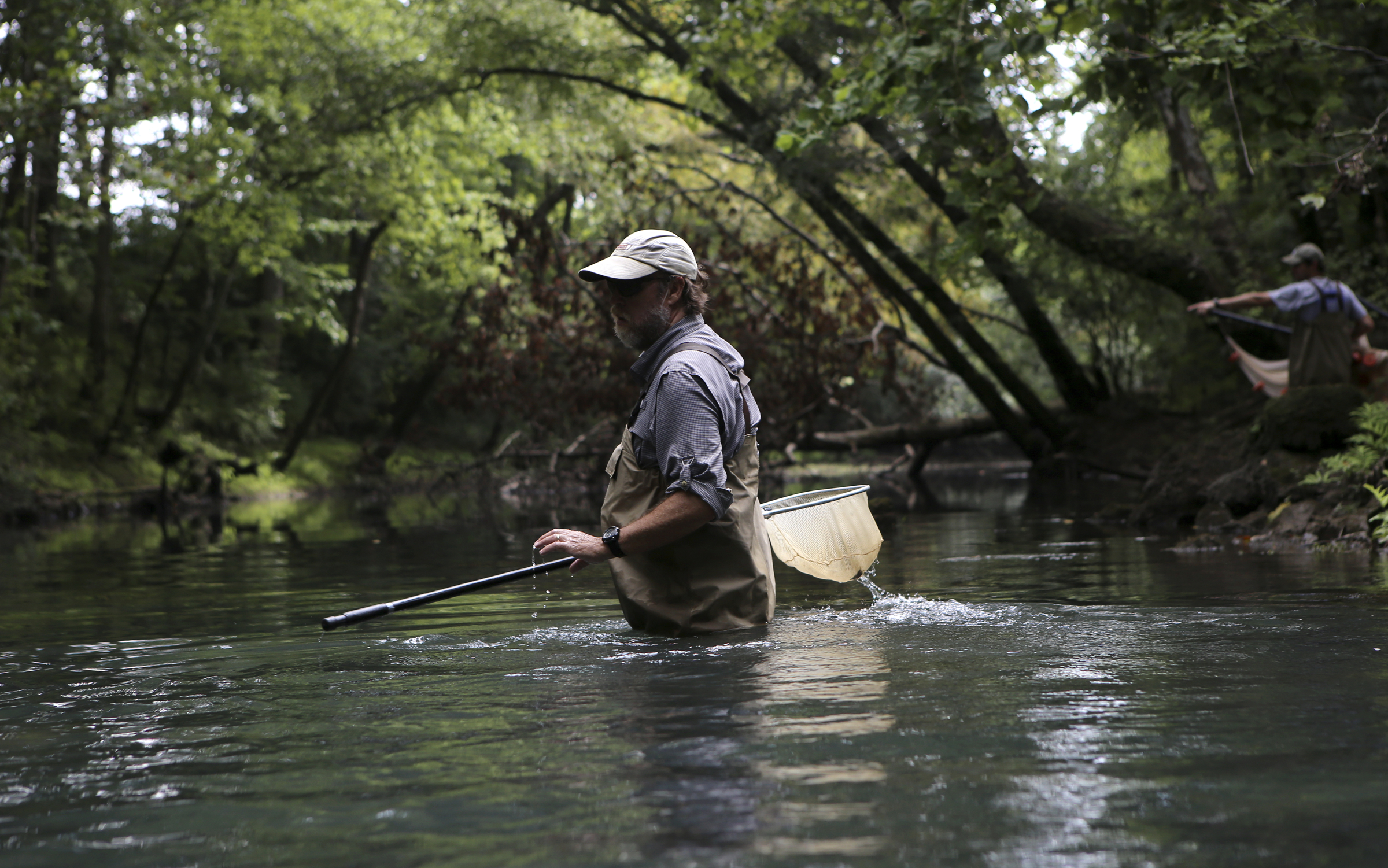
TVA Aquatic Zoologist David Matthews looks over the water in North Chickamauga Creek before collecting samples as part of a team on Tuesday, Aug. 15, in Hixson, Tenn. Aquatic conservationists using a combination of tools, including a backpack electrofisher, to survey the health of area waterways and their inhabitants.
TVA Aquatic Zoologist David Matthews looks over the water in North Chickamauga Creek before collecting samples as part of a team on Tuesday, Aug. 15, in Hixson, Tenn. Aquatic conservationists using a combination of tools, including a backpack electrofisher, to survey the health of area waterways and their inhabitants. TVA Aquatic Zoologist David Matthews looks over the water in North Chickamauga Creek before collecting samples as part of a team on Tuesday, Aug. 15, in Hixson, Tenn. Aquatic conservationists using a combination of tools, including a backpack electrofisher, to survey the health of area waterways and their inhabitants.

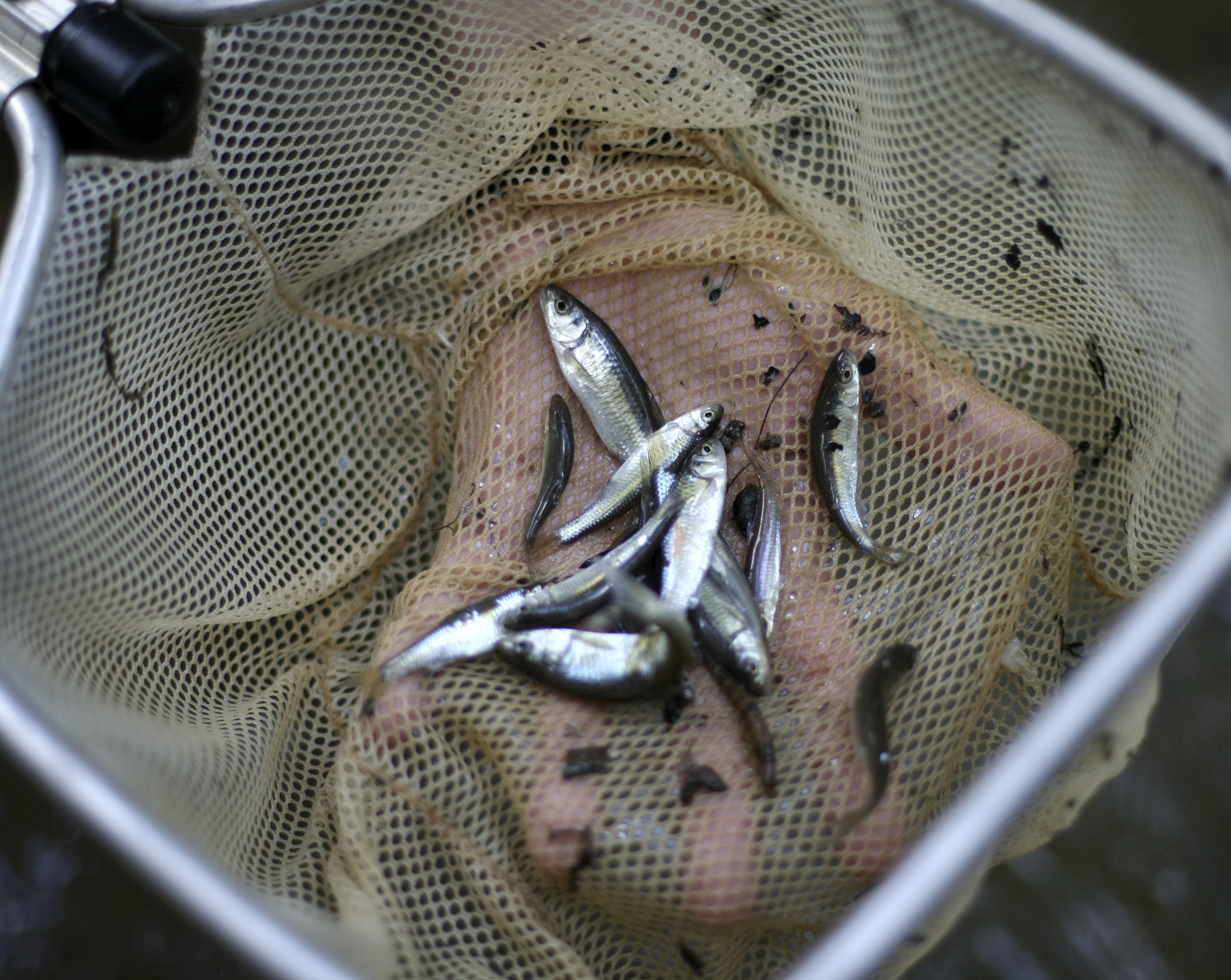
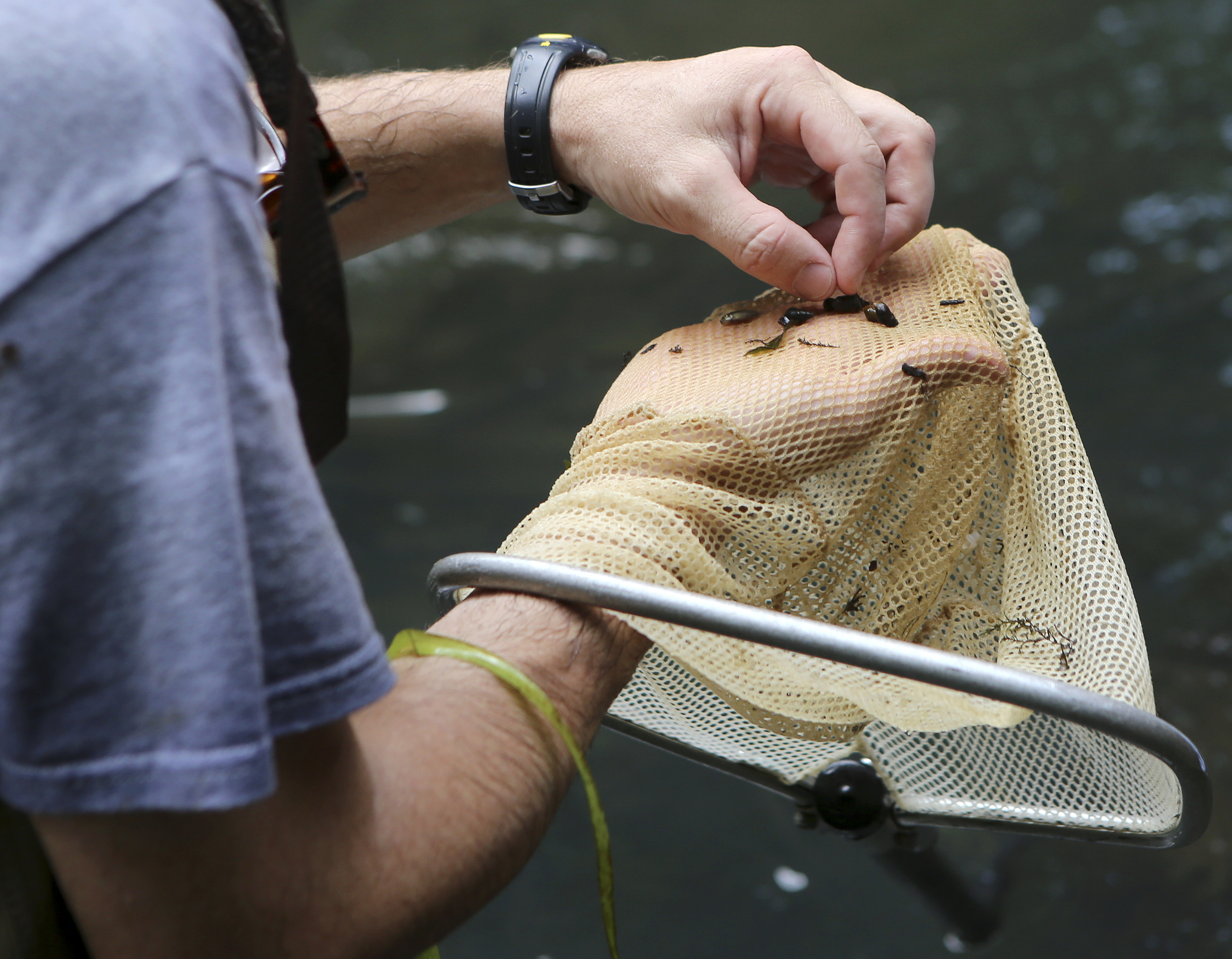
These critters are like the canary in the coal mine. If something starts happening here then we know that we need to be looking at how to fix those things.

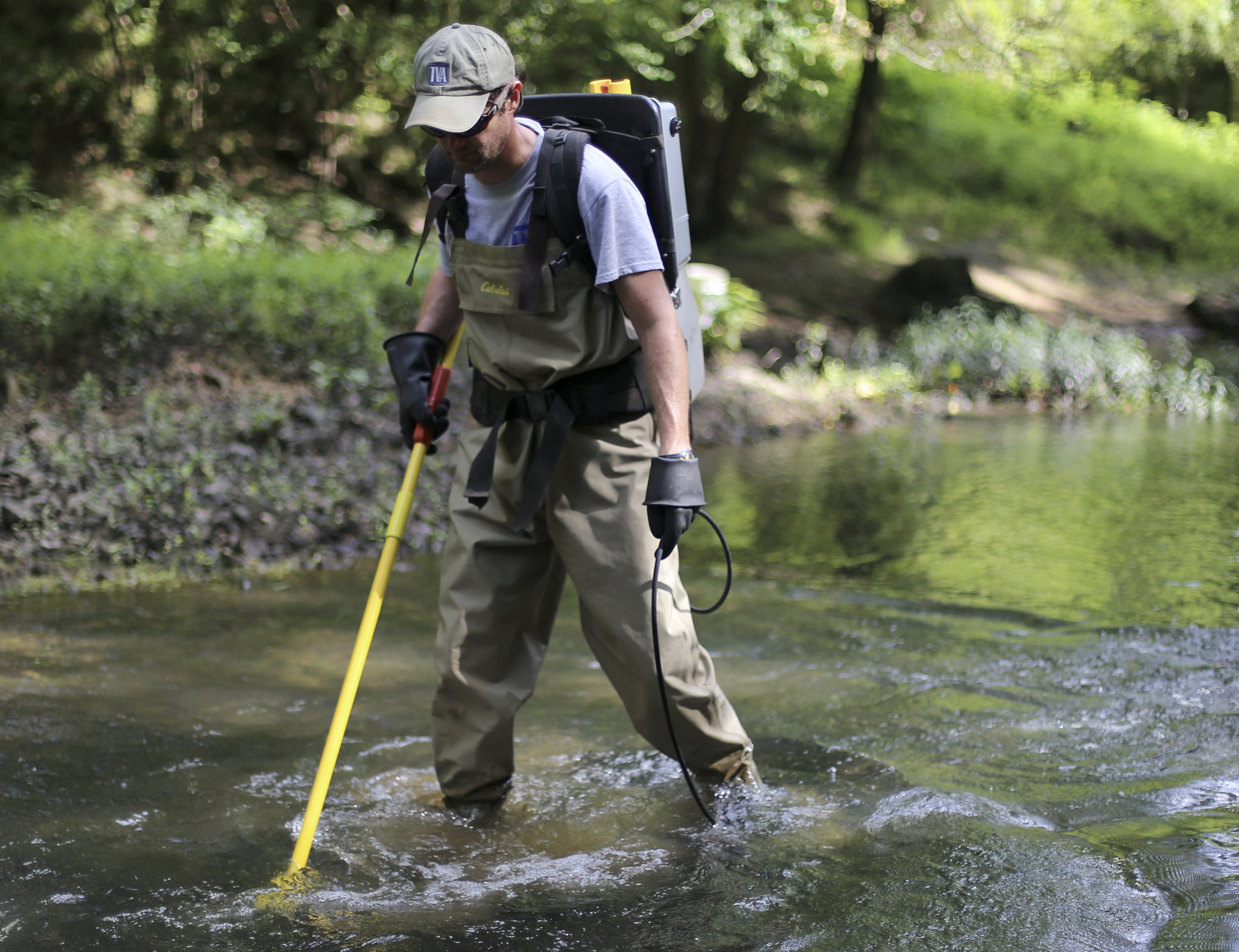
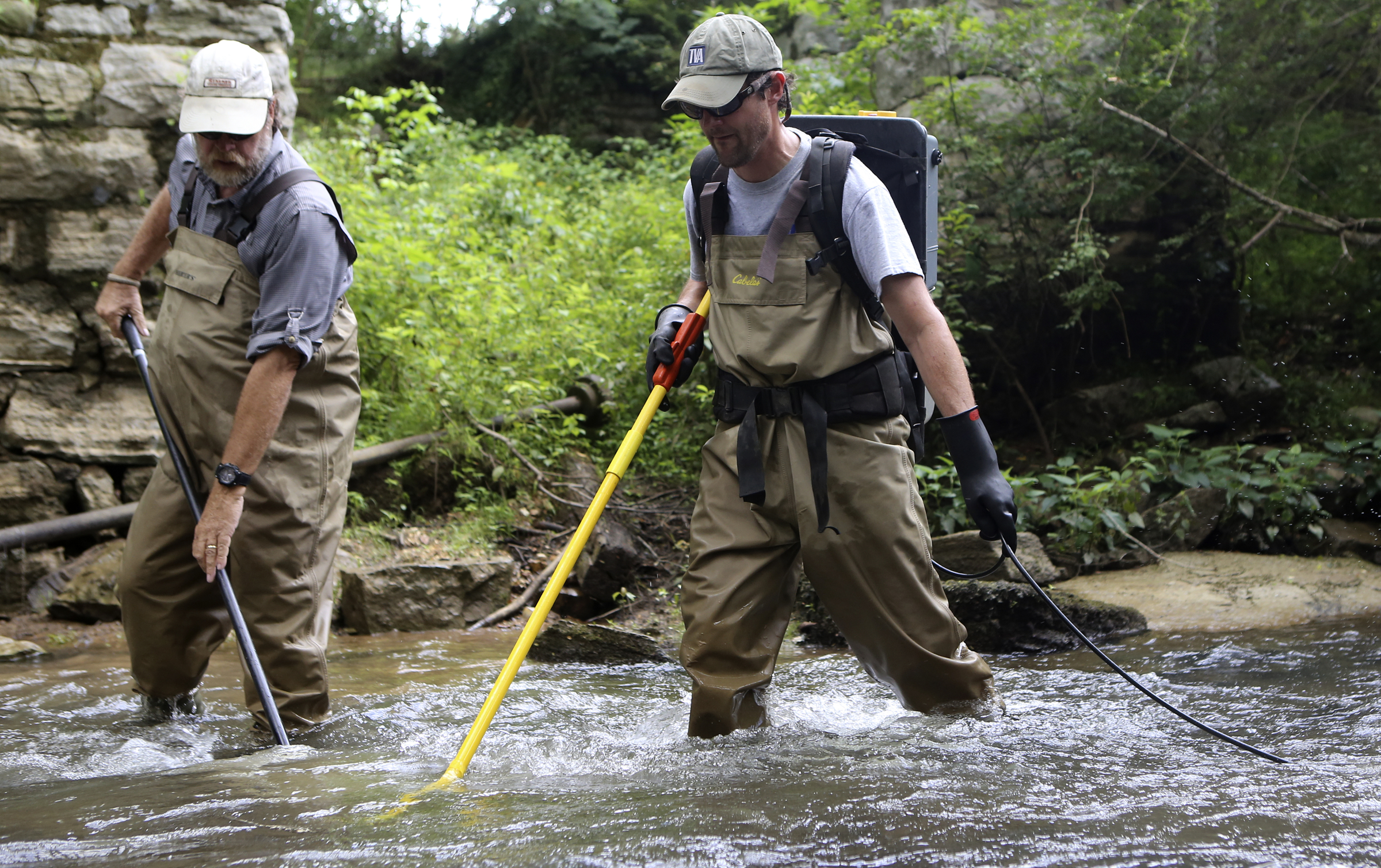
Jeff Simmons walks through North Chickamauga Creek in waders and boots; strapped to him is a backpack electrofisher. He looks more Ghostbuster than aquatic zoologist.

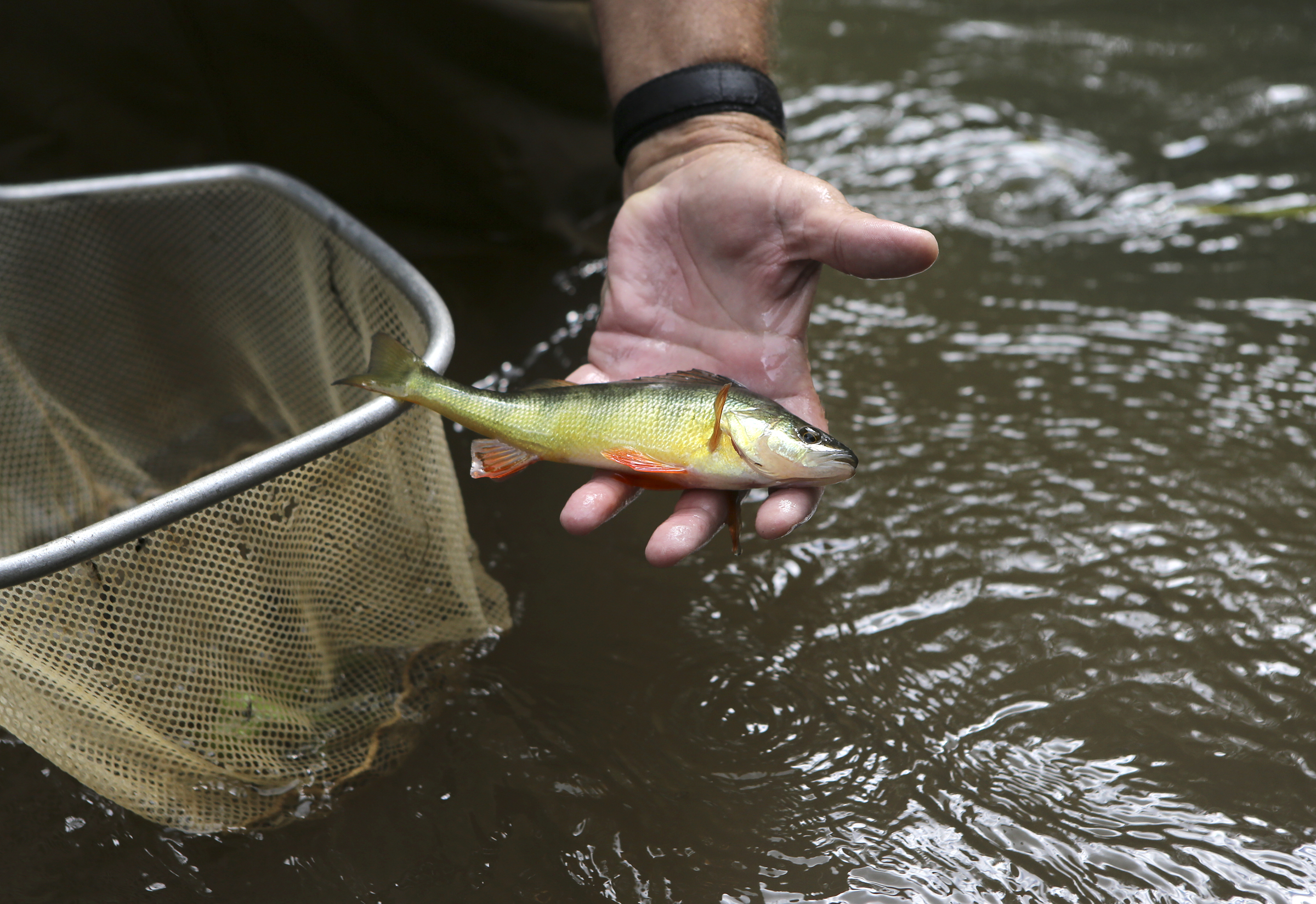
The Tennessee Valley Authority zoologist sends an electric current through the water with an electrode – a device that looks similar to a handheld metal detector ­- temporarily shocking nearby fish.

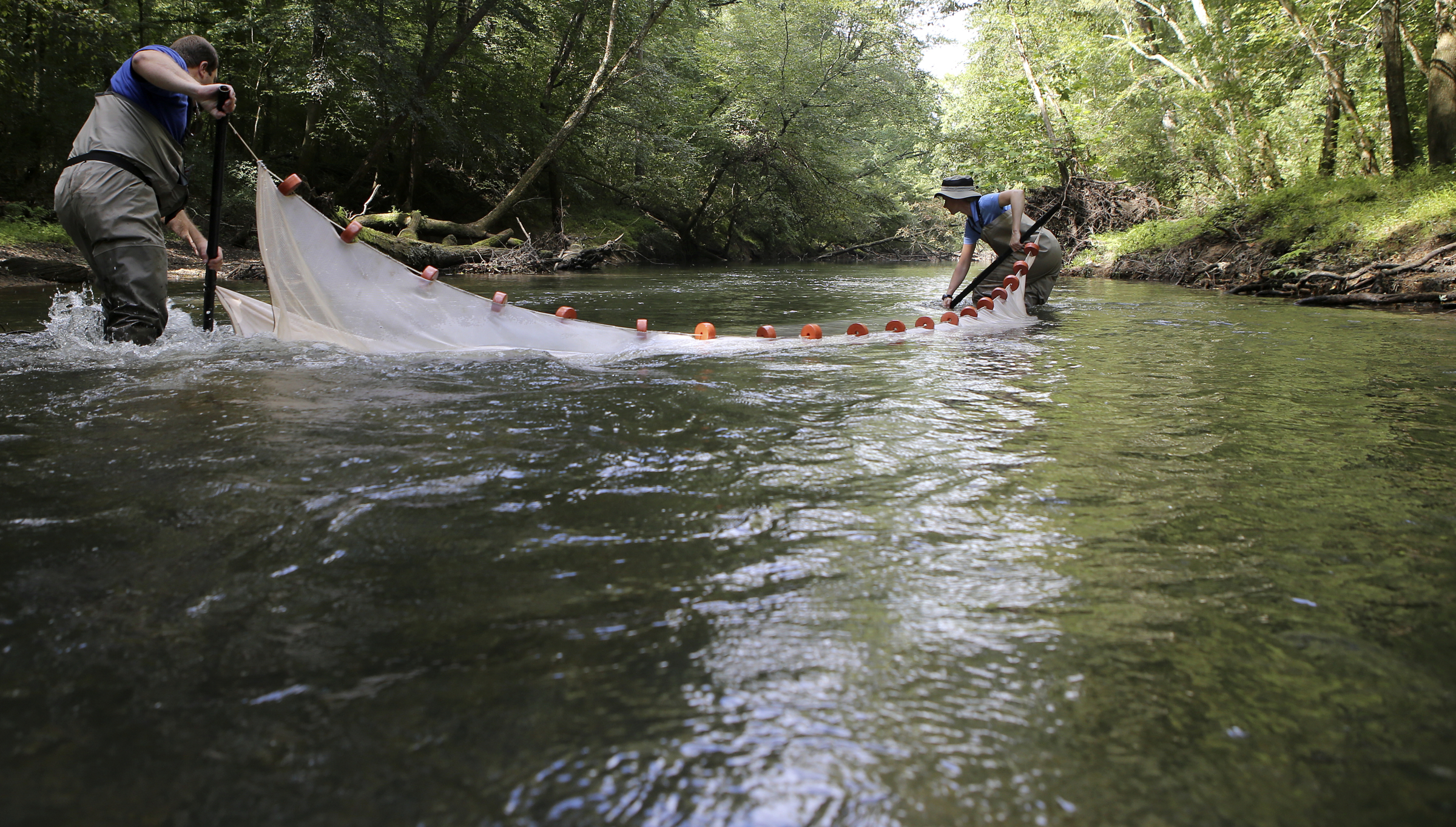
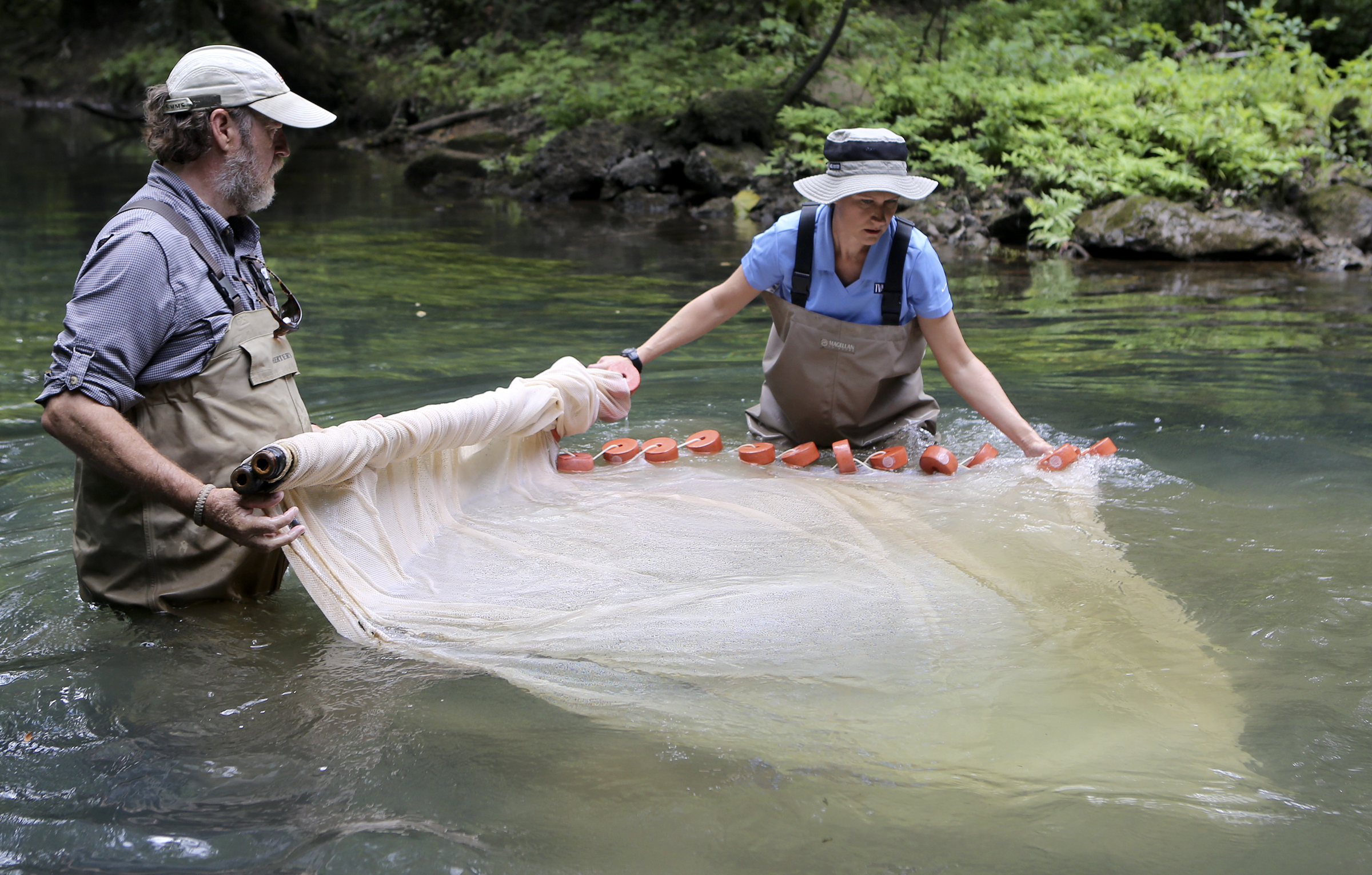
Simmons and a team of other aquatic conservationists work in groups to study the health of 700 sites in the Tennessee Valley.

“The overall purpose of what we’re doing is to rate stream water and the things that live in it,” Simmons said. “We figure out what is pristine, and what we find rates against the pristine conditions to assess what’s going on. “