
SIOUX FALLS, S.D. (AP) – A federal official acknowledged Tuesday that the level of care is “unacceptable” at some government-run hospitals serving Native American patients and assured tribal leaders her agency would work to enact swift and long-lasting reforms.
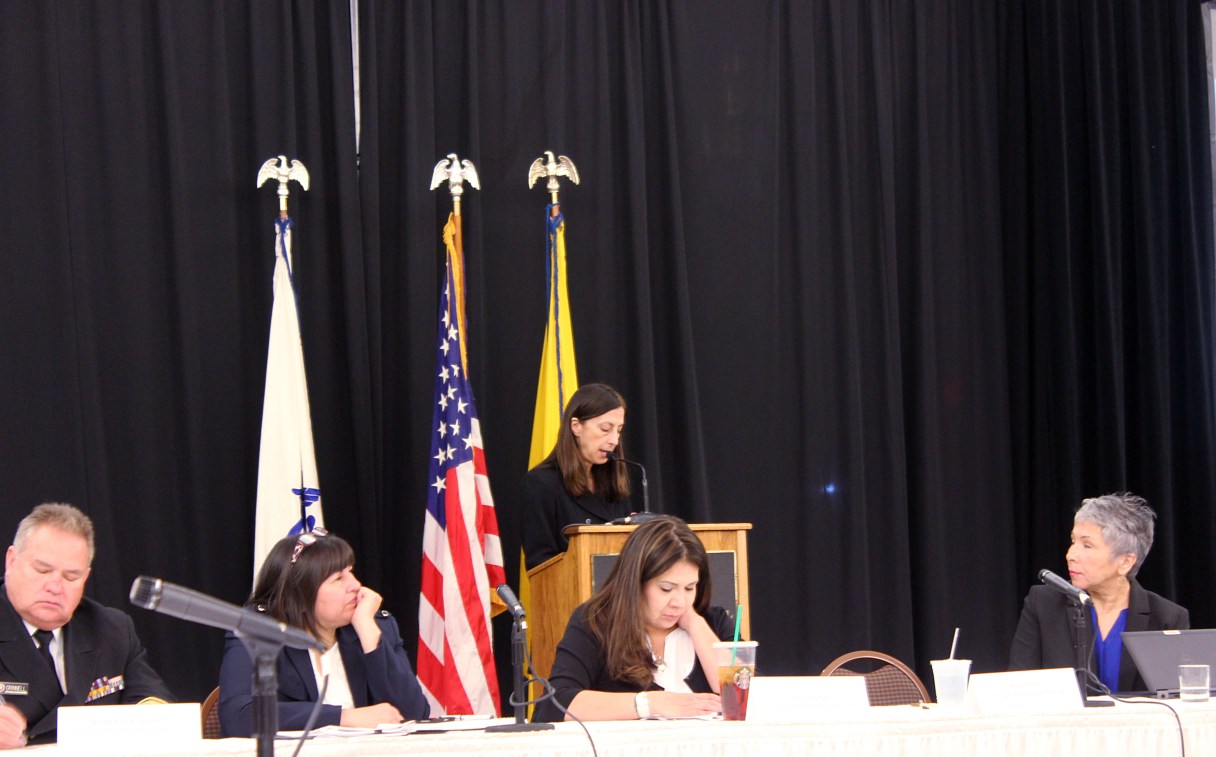
Mary Smith, principal deputy director of the Indian Health Service, spoke with Great Plains tribal leaders in Sioux Falls during the first in a series of meetings to discuss the hospitals’ quality of care, including recent findings of woefully inadequate service at some of the facilities.
IHS provides free health care to enrolled members of Native American tribes as part of U.S. treaty obligations. In the Great Plains region, the agency provides services to about 130,000 people through seven hospitals, 15 health centers and several smaller satellite clinics.
“We are committed to fixing these issues not simply in the short-term but so that the changes are sustainable over time,” said Smith, who has led the agency for about a month. “I am committed, along with the rest of the team, to creating a culture of quality, accountability and leadership. You have my assurance that is far from business as usual at IHS.”
Most of the meeting Tuesday was focused on the need for significant improvements at two facilities in South Dakota and another in Nebraska where federal inspectors last year found serious deficiencies, some so concerning that the lives of patients were threatened.