
Wednesday, November 11, 2026Nov 11

APNewsBreak: IAAF officials explored hush up of Russia bans

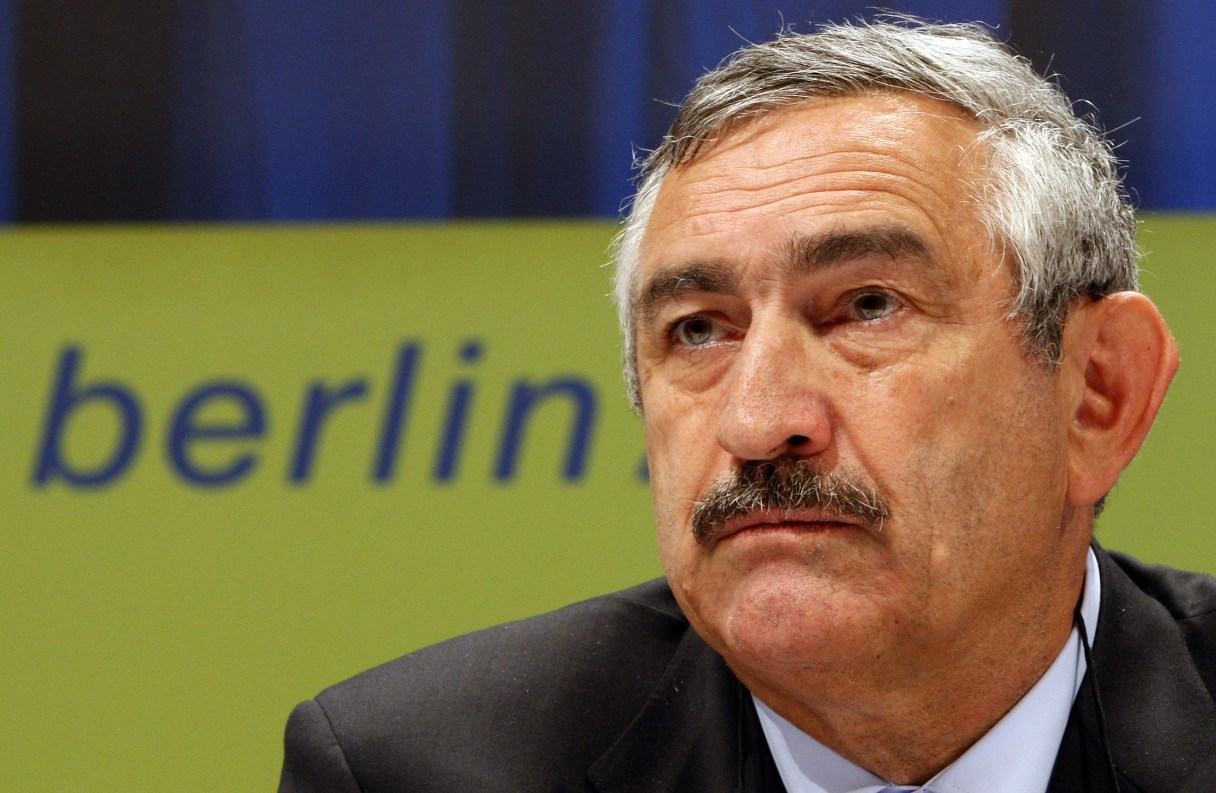
FILE - This is a  Thursday, Aug. 13, 2009  file photo of Pierre Weiss, Secretary General of the IAAF, as he  looks on during a news conference prior to the World Athletics Championships in Berlin, Germany.  Six years before the IAAF banned Russia, track and field’s governing body knew of doping so out of control it feared Russian athletes could die from their suspected systematic abuse of blood-boosting drugs and transfusions, and officials at the organization considered collaborating with Russians to hide the full extent of the cheating before the 2012 London Olympics, according to internal documents obtained by The Associated Press.(AP Photo/Michael Sohn, File)
FILE - This is a Thursday, Aug. 13, 2009 file photo of Pierre Weiss, Secretary General of the IAAF, as he looks on during a news conference prior to the World Athletics Championships in Berlin, Germany. Six years before the IAAF banned Russia, track and field’s governing body knew of doping so out of control it feared Russian athletes could die from their suspected systematic abuse of blood-boosting drugs and transfusions, and officials at the organization considered collaborating with Russians to hide the full extent of the cheating before the 2012 London Olympics, according to internal documents obtained by The Associated Press.(AP Photo/Michael Sohn, File) FILE - This is a Thursday, Aug. 13, 2009 file photo of Pierre Weiss, Secretary General of the IAAF, as he looks on during a news conference prior to the World Athletics Championships in Berlin, Germany. Six years before the IAAF banned Russia, track and field’s governing body knew of doping so out of control it feared Russian athletes could die from their suspected systematic abuse of blood-boosting drugs and transfusions, and officials at the organization considered collaborating with Russians to hide the full extent of the cheating before the 2012 London Olympics, according to internal documents obtained by The Associated Press.(AP Photo/Michael Sohn, File)

PARIS (AP) – Six years before the IAAF banned Russia, track and field’s governing body knew of doping so out of control it feared Russian athletes could die from abusing blood-boosting drugs and transfusions, and officials considered collaborating with Russians to hide the extent of cheating before the 2012 London Olympics, according to internal documents obtained by The Associated Press.

When the massive scandal of state-sponsored doping and cover-ups in Russia finally erupted in 2015, IAAF leaders acted as though blindsided. “This has been a shameful wake-up call,” said Sebastian Coe, the British Olympian and new president of the International Association of Athletics Federations.

But as a sophisticated new blood-testing program was launched in 2009, IAAF tests were already providing shocking insight into the scale and gravity of Russian doping, according to six years of emails, letters and reports the AP received from a person intimately involved in the IAAF’s anti-doping program. The person requested anonymity because he wasn’t allowed to release the documents.

At that stage, the test results weren’t enough on their own to sanction athletes, but they raise questions about why the organization waited six years before suspending Russia, which could see its athletes miss the Rio de Janeiro Olympics in August.

“Not only are these athletes cheating their fellow competitors but at these levels are putting their health and even their own lives in very serious danger,” Pierre Weiss, the IAAF general secretary from 2006-11, wrote in an Oct. 14, 2009, letter to Valentin Balakhnichev, the Russian athletics president banned for life from the sport last week. Russians “recorded some of the highest values ever seen since the IAAF started testing.”