
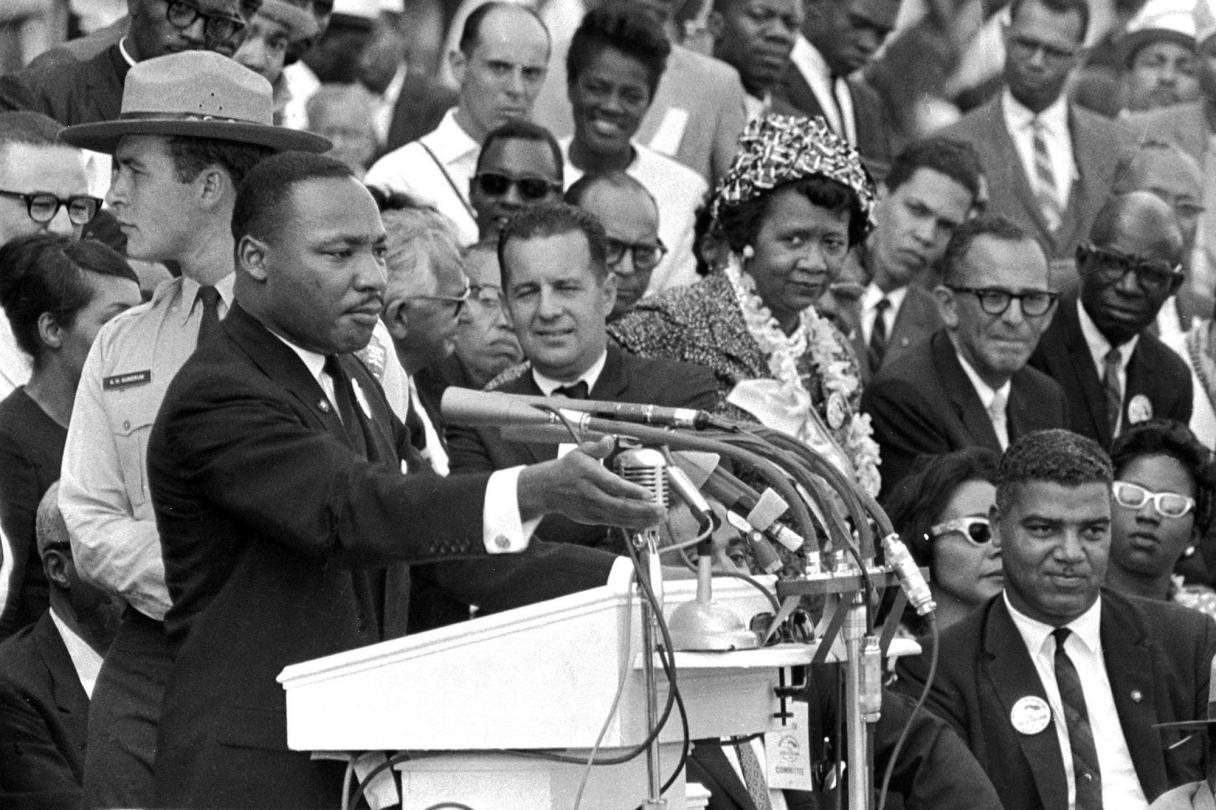
While we are familiar with Martin Luther King Jr. Day holiday, I worry over time we will lose perspective of the man himself, his work and his vision for our country.
Dr. King’s vision was comprehensive – concerned with the emotional, spiritual, social, and economic wellbeing of all people but Black people in particular. He was deeply concerned about poverty and economic justice. Our collective memory forgets this, but the concern is ubiquitous in the man’s work.
The famous march we usually refer to as The March on Washington was originally called The March on Washington for Freedom and Jobs. Dr. King’s powerful and final speech, “I’ve Been to the Mountaintop,” was delivered in support of striking sanitation workers in Memphis. In his 1964 Nobel lecture, Dr. King included the following insight: “There is nothing new about poverty. What is new, however, is that we have the resources to get rid of it.”
As vice president of community investment for the Community Foundation of Greater Chattanooga, the gap between resource and need is at the center of my work. A look at the data reveals an America that still requires attention to economic disparities for Black folks. In the 35 years since King’s birthday was declared a holiday, those troubling facts remain.
In early 2020, the Community Foundation’s board of directors approved a strategic plan that addresses the root causes of poverty, barriers to economic mobility and the systems that perpetuate inequity, in other words, one that reflects that reality of our community.