
Friday, November 6, 2026Nov 6

This story is free to read.

Forum: Congress must help Hawaii fishermen confined to boats

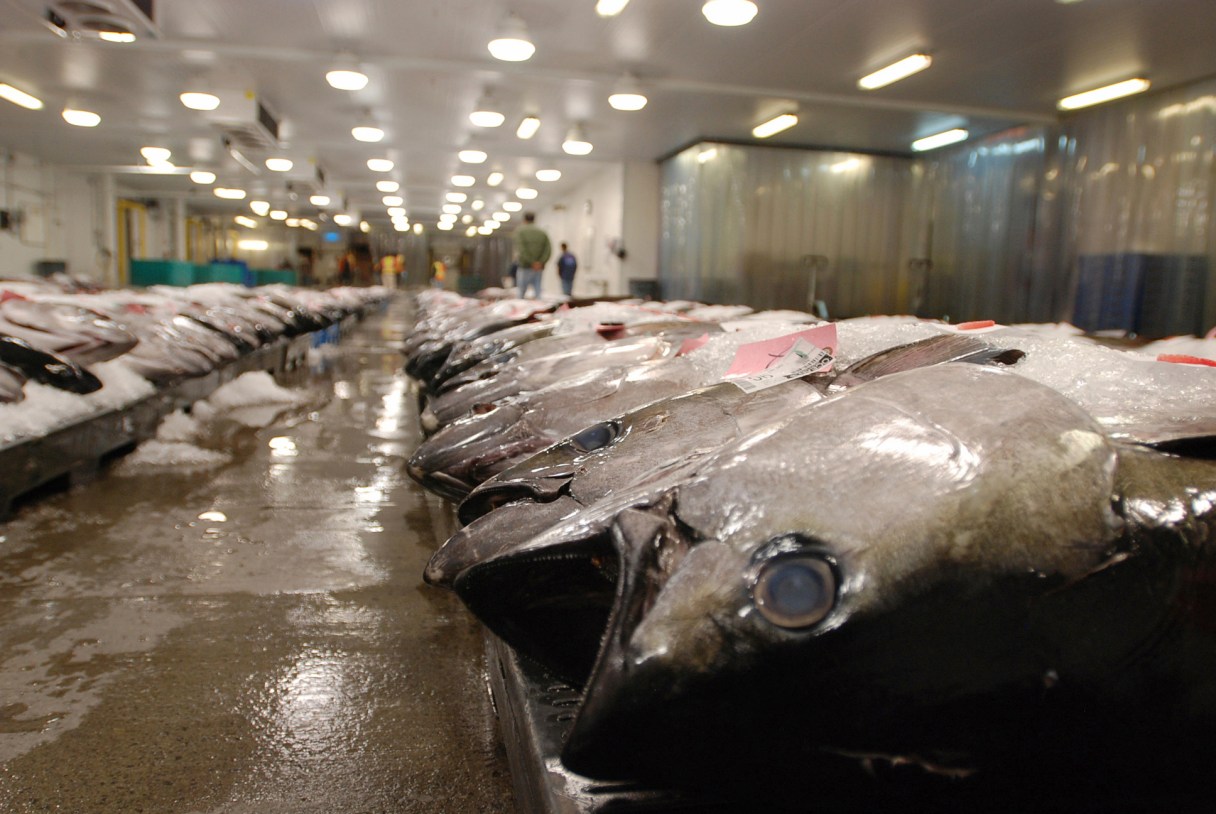
FILE - In this March 23, 2016 file photo, tuna caught by foreign fishermen aboard American boats are lined up at the Honolulu Fish Auction at Pier 38 in Honolulu. Experts and advocates are urging Congress to improve conditions for hundreds of foreign fishermen working in Hawaii's commercial fleet, following an Associated Press investigation that found the men have been confined to vessels for years without basic labor protections.  (AP Photo/Caleb Jones, File)
FILE - In this March 23, 2016 file photo, tuna caught by foreign fishermen aboard American boats are lined up at the Honolulu Fish Auction at Pier 38 in Honolulu. Experts and advocates are urging Congress to improve conditions for hundreds of foreign fishermen working in Hawaii's commercial fleet, following an Associated Press investigation that found the men have been confined to vessels for years without basic labor protections. (AP Photo/Caleb Jones, File) FILE - In this March 23, 2016 file photo, tuna caught by foreign fishermen aboard American boats are lined up at the Honolulu Fish Auction at Pier 38 in Honolulu. Experts and advocates are urging Congress to improve conditions for hundreds of foreign fishermen working in Hawaii's commercial fleet, following an Associated Press investigation that found the men have been confined to vessels for years without basic labor protections. (AP Photo/Caleb Jones, File)

WASHINGTON (AP) – Experts and advocates are urging Congress to improve conditions for hundreds of foreign fishermen working in Hawaii’s commercial fleet, following an Associated Press investigation that found the men have been confined to vessels for years without basic labor protections.

The AP report found commercial fishing boats in Honolulu employ men from impoverished Asian nations who catch ahi tuna and other seafood sold nationwide. A legal loophole allows them to work on U.S-flagged boats without visas as long as they don’t set foot on shore.

Mark Lagon, a scholar at Georgetown University’s Walsh School of Foreign Service, said the fishermen are treated like modern-day slaves.

He and other speakers at a congressional forum Tuesday urged Congress to close the loophole that allows workers to stay on the boats without coming ashore.