
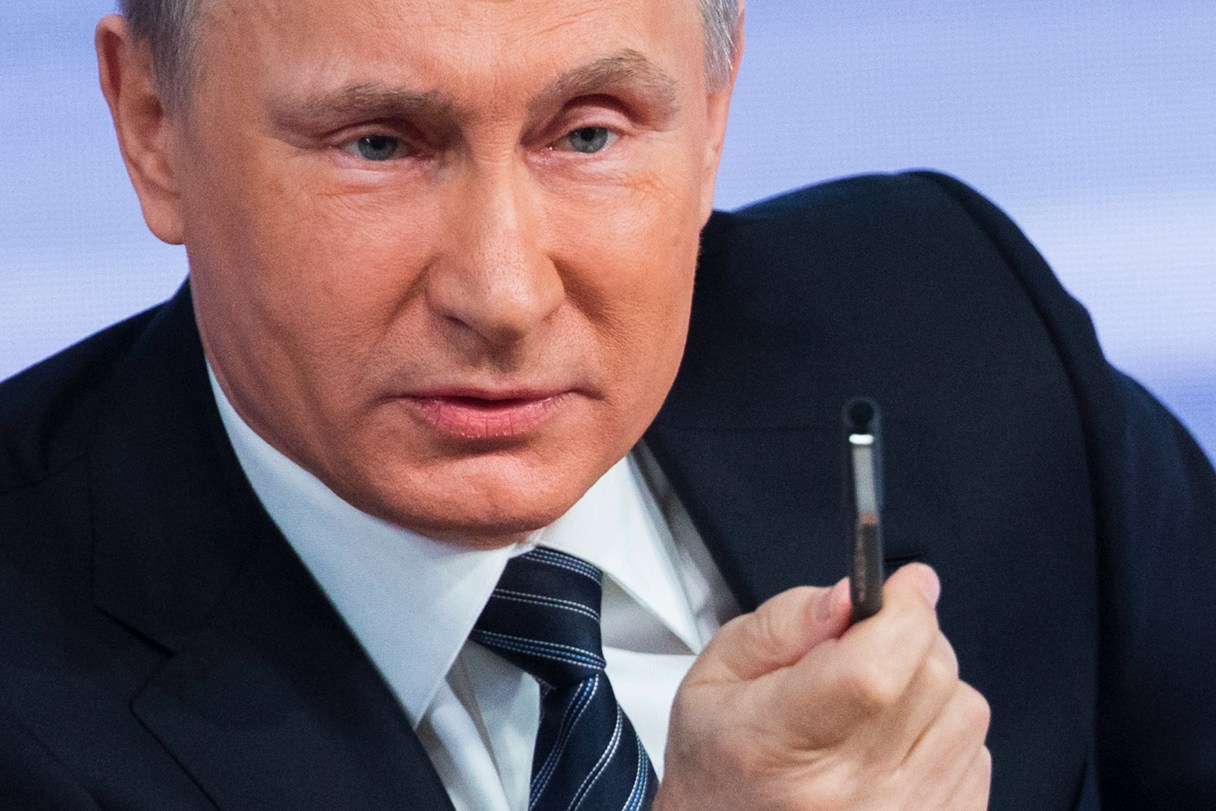
WASHINGTON (AP) – The United States and Russia agreed Monday on a new cease-fire for Syria that will take effect Saturday. However, major questions over enforcing and responding to violations of the truce were left unresolved, and where in Syria the fighting must stop and where counterterrorism operations can continue also must still be addressed.
The new timeline for the hoped-for breakthrough comes after the two former Cold War foes, which back opposing sides in Syria’s civil war, agreed on terms for the “cessation of hostilities” between Syrian President Bashar Assad’s government and armed opposition groups. Those sides must accept the deal by Friday.
The truce will not cover the Islamic State, the al-Qaida-linked Nusra Front and any other militias designated as terrorist organizations by the U.N. Security Council. Both the U.S. and Russia are still targeting those groups with airstrikes. The State Department made the five-page plan public after Presidents Barack Obama and Vladimir Putin spoke by telephone Monday.
Even if the cease-fire takes hold, fighting will by no means cease in Syria.
Russia will surely press on with an air campaign that it insists is targeting terrorists, but which the U.S. and its partners say is mainly hitting “moderate” opposition groups and killing civilians. While IS tries to expand its self-proclaimed caliphate in Syria and neighboring Iraq, al-Nusra is unlikely to end its effort to overthrow Assad. The Kurds have been fighting IS, even as they face attacks from America’s NATO ally Turkey. And Assad has his own history of broken promises when it comes to military action.