
Thursday, November 12, 2026Nov 12

US companies seeking tariff relief faced red tape, delays

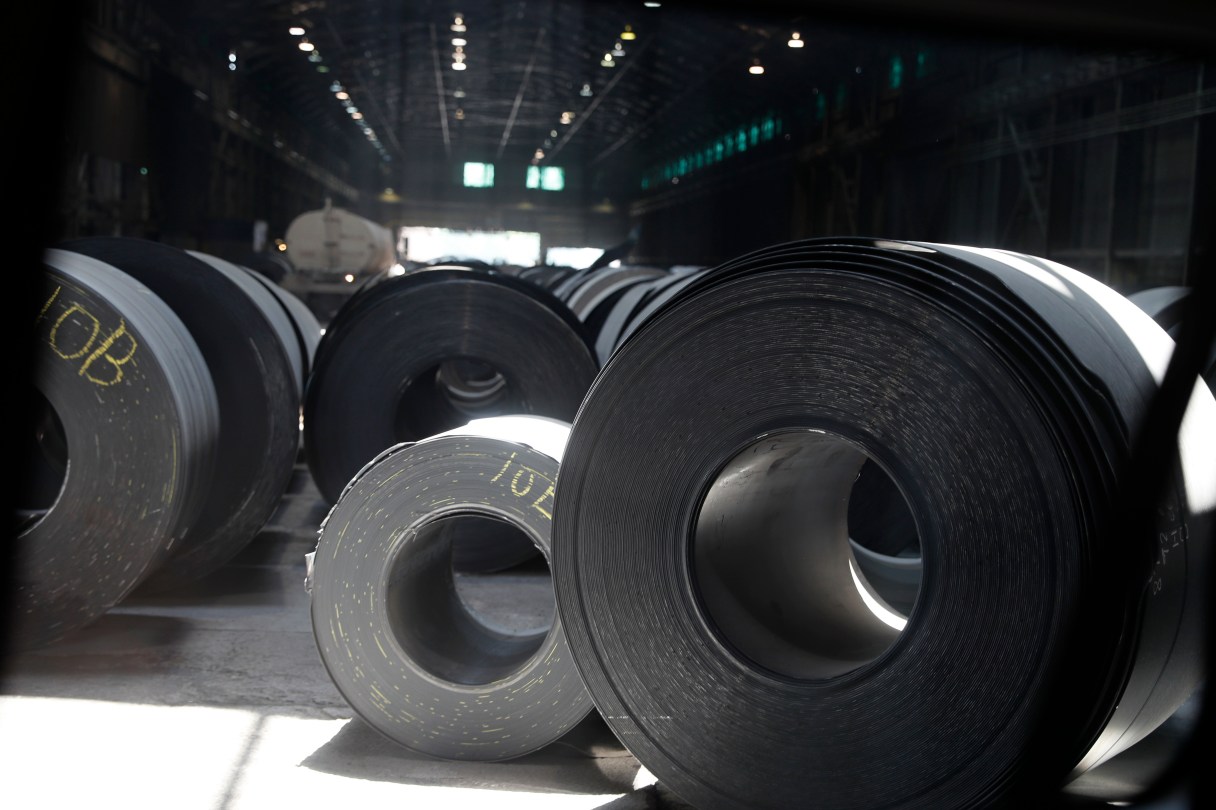
FILE - In this June 28, 2018, file photo, rolls of finished steel are seen at the U.S. Steel Granite City Works facility in Granite City, Ill.  Companies seeking relief from President Donald Trump’s taxes on imported steel and aluminum ran into long delays and cumbersome paperwork, a federal watchdog found, Wednesday, Sept. 16, 2020. The U.S. Government Accountability Office reported that the Commerce Department, overwhelmed by companies lobbying to avoid the tariffs, could not meet its own deadline for processing around three-fourths of the requests. (AP Photo/Jeff Roberson, File)
FILE - In this June 28, 2018, file photo, rolls of finished steel are seen at the U.S. Steel Granite City Works facility in Granite City, Ill. Companies seeking relief from President Donald Trump’s taxes on imported steel and aluminum ran into long delays and cumbersome paperwork, a federal watchdog found, Wednesday, Sept. 16, 2020. The U.S. Government Accountability Office reported that the Commerce Department, overwhelmed by companies lobbying to avoid the tariffs, could not meet its own deadline for processing around three-fourths of the requests. (AP Photo/Jeff Roberson, File) FILE - In this June 28, 2018, file photo, rolls of finished steel are seen at the U.S. Steel Granite City Works facility in Granite City, Ill. Companies seeking relief from President Donald Trump’s taxes on imported steel and aluminum ran into long delays and cumbersome paperwork, a federal watchdog found, Wednesday, Sept. 16, 2020. The U.S. Government Accountability Office reported that the Commerce Department, overwhelmed by companies lobbying to avoid the tariffs, could not meet its own deadline for processing around three-fourths of the requests. (AP Photo/Jeff Roberson, File)

Companies seeking relief from President Donald Trump’s taxes on imported steel and aluminum ran into long delays and cumbersome paperwork, a federal watchdog found.

The U.S. Government Accountability Office reported that the Commerce Department, overwhelmed by companies lobbying to avoid the tariffs, could not meet its own deadline for processing around three-fourths of the requests.

And Commerce rejected nearly a fifth of the applications before weighing the merits of the appeal because the paperwork was incomplete or included errors.

Trump’s tariffs were controversial from the beginning. Invoking a rarely used provision of a 1962 law to label steel and aluminum imports a threat to U.S. national security, Trump slapped tariffs of 25% on foreign steel and 10% on aluminum in 2018. The idea was to strengthen U.S. producers of steel and aluminum by shielding them from foreign competition.

U.S. companies that relied on foreign steel and aluminum were allowed to appeal for relief from the tariffs, primarily by showing that they could not get the metals they needed in the United States.