
LONDON (AP) – The World Health Organization has changed how its staff are responding to an Ebola outbreak in Sierra Leone after a scientist working with the agency was infected with the disease last month, a spokeswoman said Tuesday.
A second WHO health care worker, a doctor, has now been infected, the U.N. health agency announced Monday. It has not released any more information about the doctor, but Emory University Hospital in the United States has said it is preparing on Tuesday to receive an American infected with Ebola while working in West Africa.
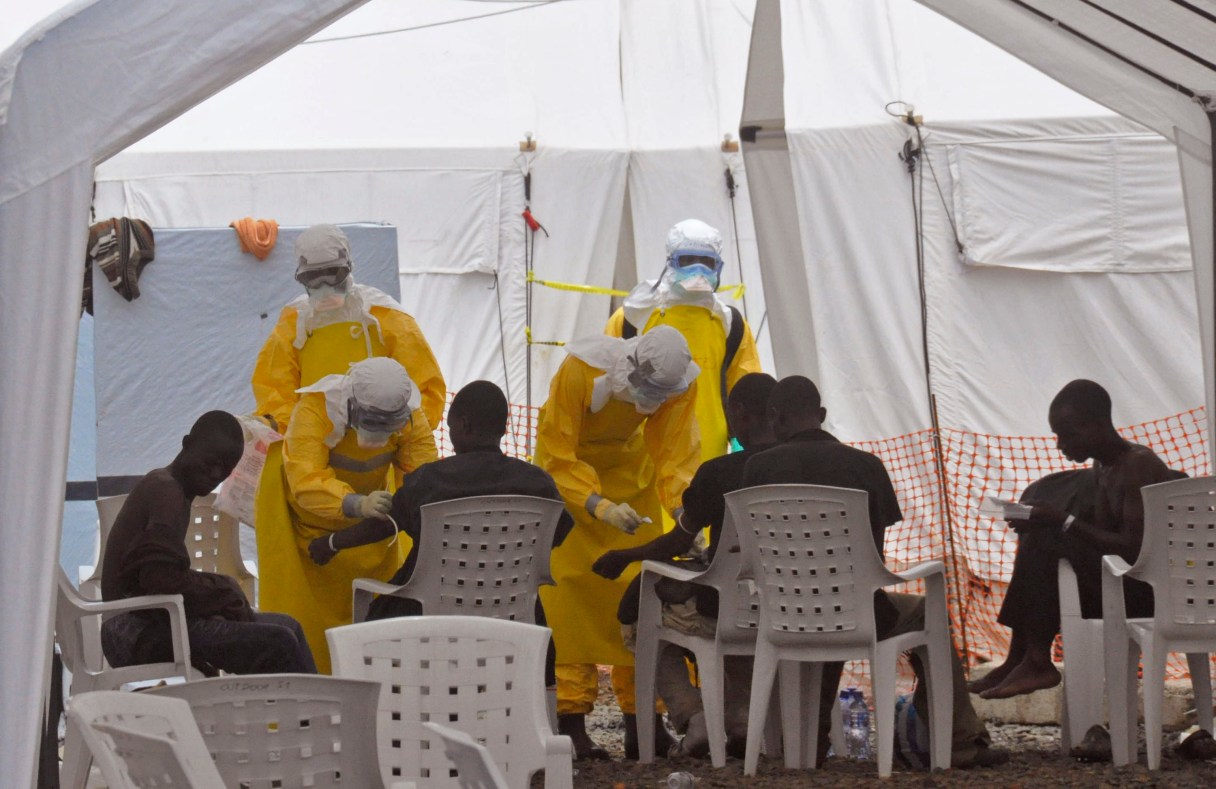
The Ebola outbreak sweeping West Africa has killed more than 2,000 people and has taken a particularly high toll on health care workers. After a Senegalese epidemiologist with WHO tested positive for the disease, the agency conducted an investigation into how he became infected.
While WHO is not releasing the results of the investigation, spokeswoman Nyka Alexander said Tuesday that staff living and working quarters in Sierra Leone have been expanded to make them less cramped and they no longer share living space with officials from other agencies. Changes were also made to working procedures, including more routine temperature checks for everyone coming to the WHO office and living quarters, Alexander said.
She said the investigation report was “pretty clear” in revealing how the epidemiologist was infected but said the agency wouldn’t be releasing details.