
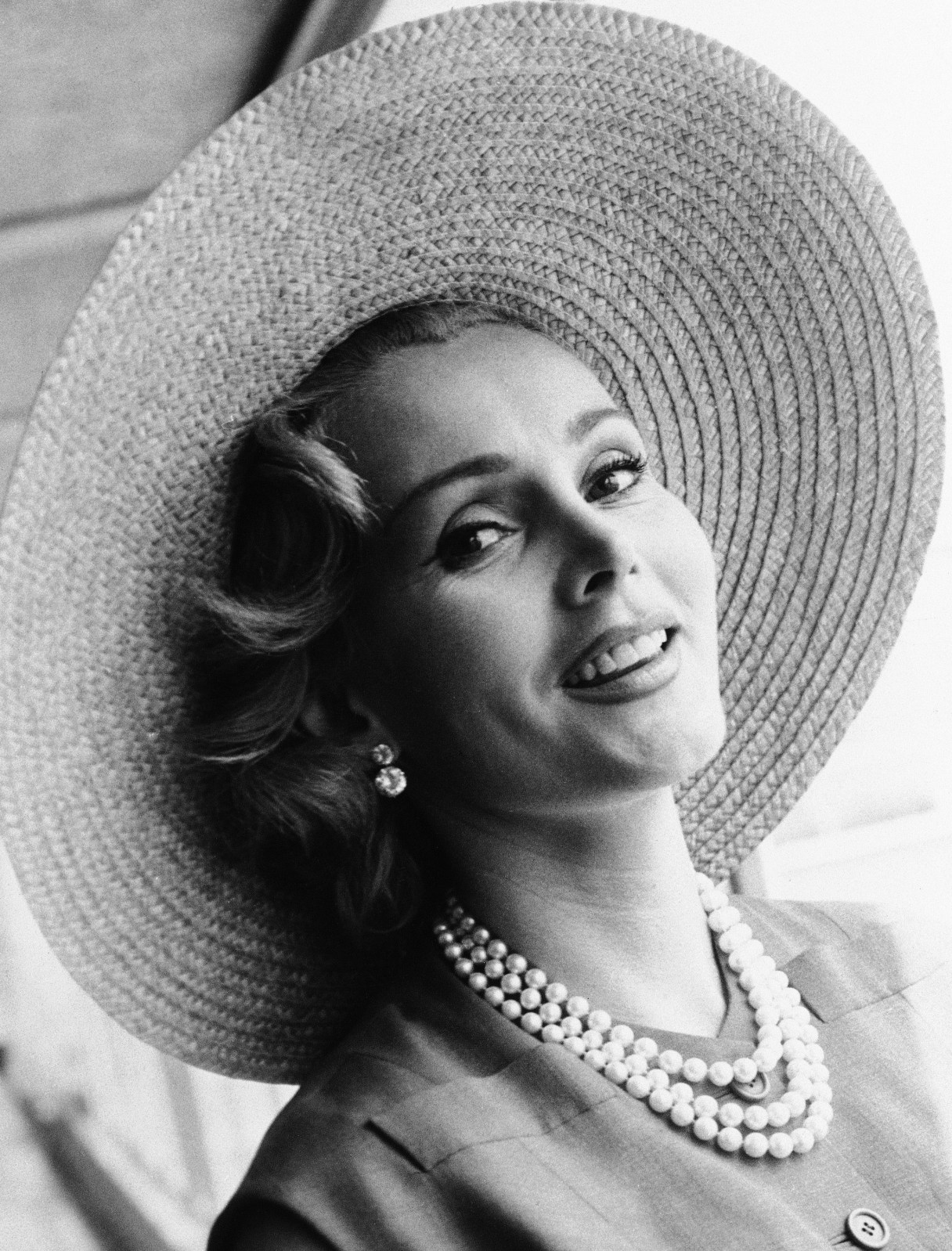
LOS ANGELES (AP) – Zsa Zsa Gabor, the jet-setting Hungarian actress and socialite who helped invent a new kind of fame out of multiple marriages, conspicuous wealth and jaded wisdom about the glamorous life, died Sunday at her home, her husband said. She was 99.
The middle and most famous of the sisters Gabor died of a heart attack at her Los Angeles home, Prince Fredick Van Anhalt said.
Gabor had been hospitalized repeatedly since she broke her right hip in July 2010 after a fall at her home. She already had to use a wheelchair after being partly paralyzed in a 2002 car accident and suffering a stroke in 2005. Most of her right leg was amputated in January 2011 because of gangrene and the left leg was also threatened. Her misfortunes were duly reported to the media by von Anhalt.
The great aunt of Paris Hilton and a spiritual matriarch to the Kardashians, Simpsons and other tabloid favorites, she was the original hall-of-mirrors celebrity, famous for being famous for being famous. Starting in the 1940s, Gabor rose from beauty queen to millionaire’s wife to minor television personality to minor film actress to major public character. With no special talent, no hit TV series such as her sister Eva’s “Green Acres,” Zsa Zsa nevertheless was a long-running hit just being Zsa Zsa – her accent drenched in diamonds, her name synonymous with frivolity and camp as she winked and carried on about men, dahling, and the droll burdens of the idle rich.
She was like popcorn for the public and, for sociologists, the seeming fulfillment of the mindless future imagined in Aldous Huxley’s “Brave New World,” a creation made possible by mass, electronic media; her words and image transcribed and beamed into theaters and living rooms, on the Internet and the shelves of newsstands and supermarket checkout lines.