
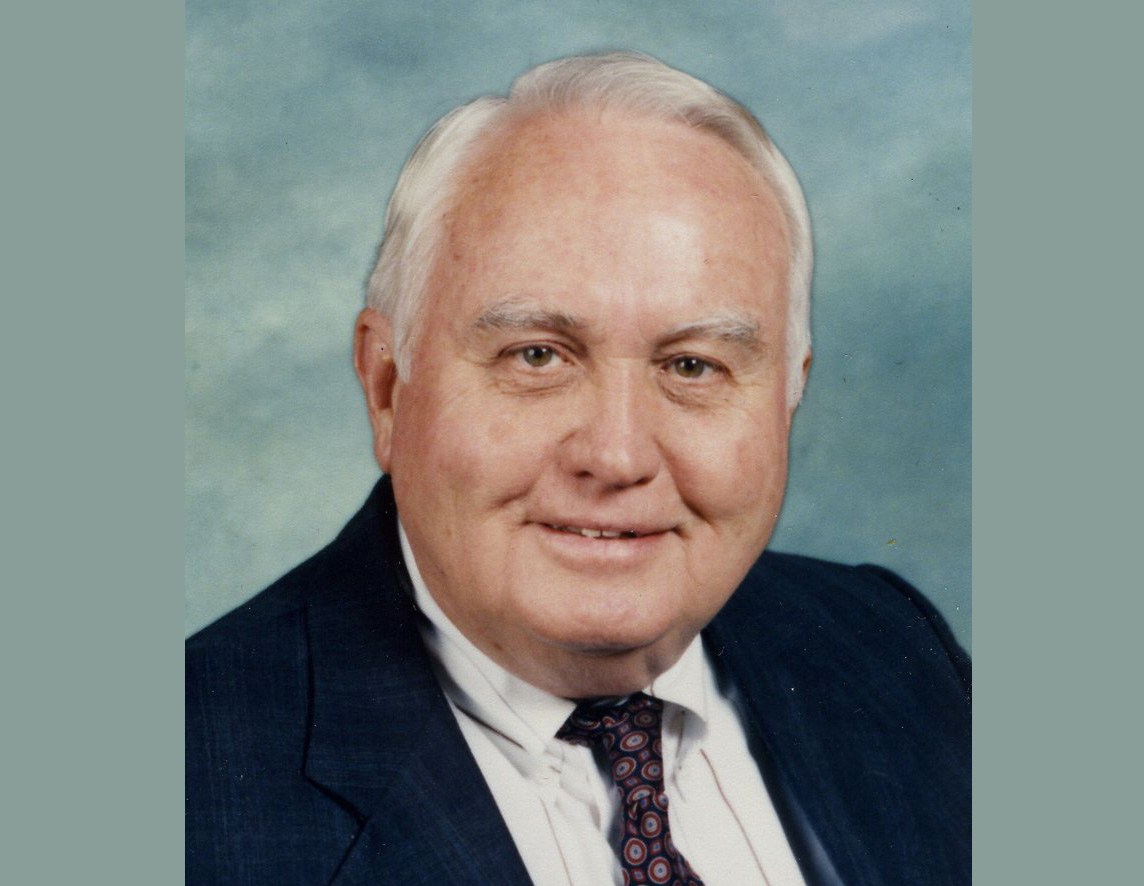
 Herschel P. Franks
Tennessee’s judiciary has been blessed over time with some outstanding jurists, yet few have labored as fruitfully or as long on the bench, or earned as much respect and acclaim among their peers as Judge Herschel P. Franks. His illustrious career began when he was appointed Chancellor of Chancery Court here in 1970, and was capped by his long tenure as the presiding judge of Tennessee’s Court of Appeals, to which he was appointed in 1978. Alas, his service will soon end. Judge Franks, 83, announced Wednesday that he will retire on Dec. 31.
Franks is presently Tennessee’s longest serving judge, He may also be the longest serving state judge in Tennessee’s history; the record is being checked. More to the point, he is regarded as among the best of the state’s judges.
Franks established his judicial leadership early in his career. In one notable Chancery Court case, Franks ruled that the Tennessee Constitution’s provision barring ministers from serving in the Legislature and as delegates to state constitutional conventions violated ministers’ civil rights under the U.S. Constitution.
His unpopular ruling overturning the exclusion of ministers to those positions came in response to attorney Selma Cash Paty’s lawsuit to oust her opponent, Chattanooga Rev. Paul McDaniel, from the slate of candidates in the election of delegates to the state’s 1977 constitutional convention. Paty appealed Franks’ decision to the state Supreme Court, which promptly overturned Franks’ ruling on a 5-0 vote. McDaniels appealed that reversal to the U.S. Supreme Court, which accepted his case, and — vindicating Franks’ ruling — overturned it on a 9-0 vote.
That decision illuminated Franks’ legal acumen and professional courage. It also launched Rev. McDaniels’ subsequent service as a local civil rights leader and his long tenure in county government, which under the constitutional convention’s reform jettisoned the white-only, five-member, elected-at- large County Council and replaced it with a district-based County Commission to provide equal representation for minorities.