
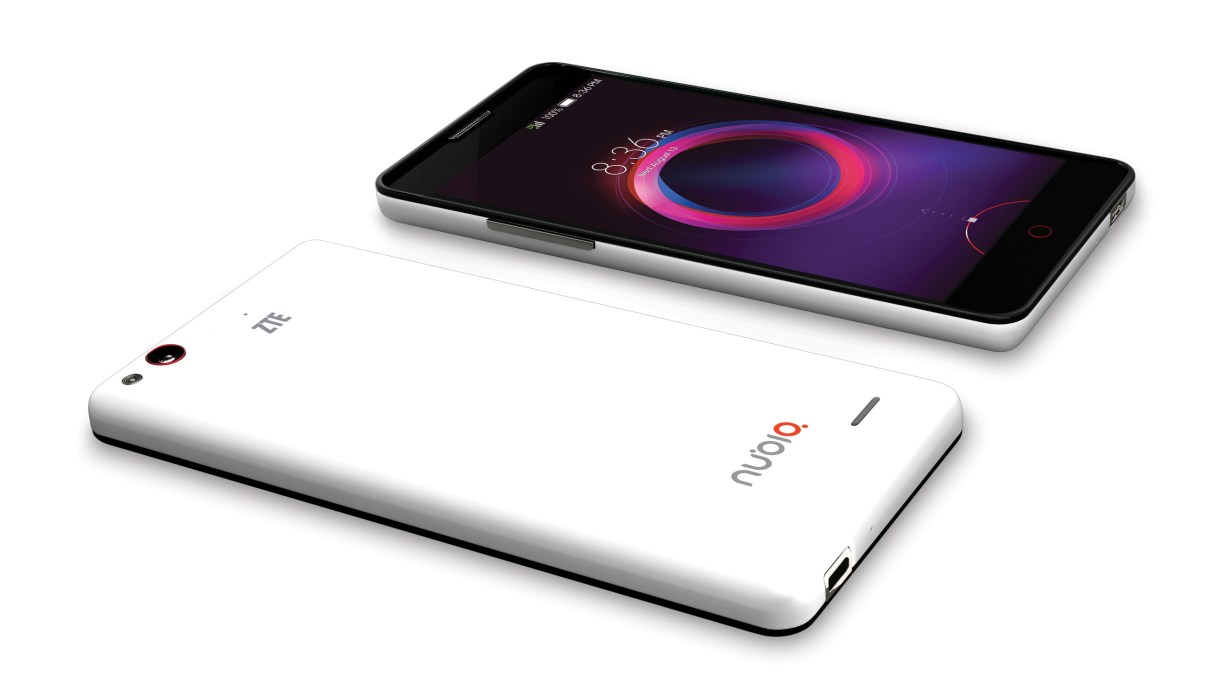
NEW YORK (AP) – It might seem as though everyone has an iPhone or Galaxy smartphone. But many customers are eschewing the best cameras and screens – and their top-end price tags – and choosing models that can get the job done at less than a third of the cost.
Sales of high-end Samsung and Apple phones remain robust, but demand for budget phones is growing. About a third of the smartphones sold in the U.S. between July and September cost less than $200, up from 18 percent a year ago, according to tech research firm IDC. A top-end phone costs $600 to $700 at full price, before the subsidies some phone companies offer in exchange for committing to two-year service contracts.
No longer are these cheap smartphones mostly no-frills devices with small screens and slow processors, says Ramon T. Llamas, a research manager for phones at IDC. As the costs of parts drop, phone manufacturers are able to outfit less-expensive models with advanced features once limited to high-end devices.
These phones lack the latest innovations, such as fingerprint security sensors and heart-rate monitors. They aren’t as fast, and their cameras aren’t as sharp. But the technology is more than adequate for those who just want to check email, look up sports scores and play video. Many cheaper phones now even offer the fastest wireless speeds on 4G LTE cellular networks, notes Jeff Bradley, senior vice president for devices at AT&T.
“There’s a certain status to carrying an iPhone or Samsung Galaxy, as an example, but there are also people who say, ‘I want a good, reliable phone, but I’m not willing to spend as much money on that,” says David Owens, a senior vice president at wireless carrier Sprint Corp.