
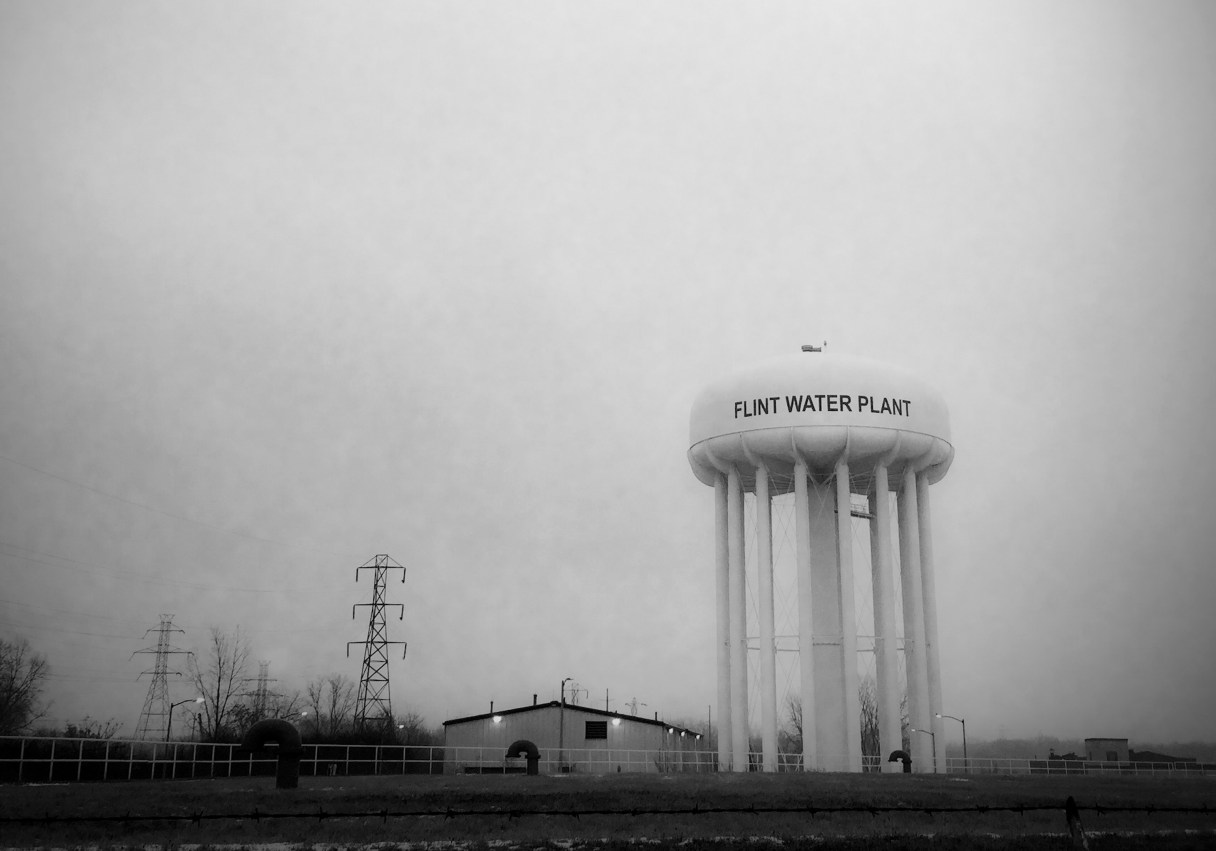
DETROIT (AP) – The head of a Flint hospital that found Legionnaires’ disease bacteria in its water system more than a year ago said he and experts suspected the Flint River was a likely source of the contaminant.
Don Kooy, president of McLaren hospital, said he was surprised that Michigan and local health agencies didn’t inform the public about a Legionnaires’ outbreak in Genesee County in 2014-15 until just a few weeks ago.
The outbreak occurred while Flint residents were repeatedly complaining about dirty tap water coming from the river – a crisis that ultimately caused exposure to lead and other health problems.
“It’s a public health issue,” Kooy told The Associated Press. “There were people in the city of Flint seeing brown water. It would seem logical that there would have been public reporting or public awareness about the Legionella situation.”
At least 87 Legionnaires’ cases, including nine deaths, were confirmed across Genesee County during a 17-month period. Public officials say they haven’t determined if Flint River water was responsible.