
Wednesday, November 11, 2026Nov 11

Museum’s ‘Little Syria’ exhibit going to Ellis Island

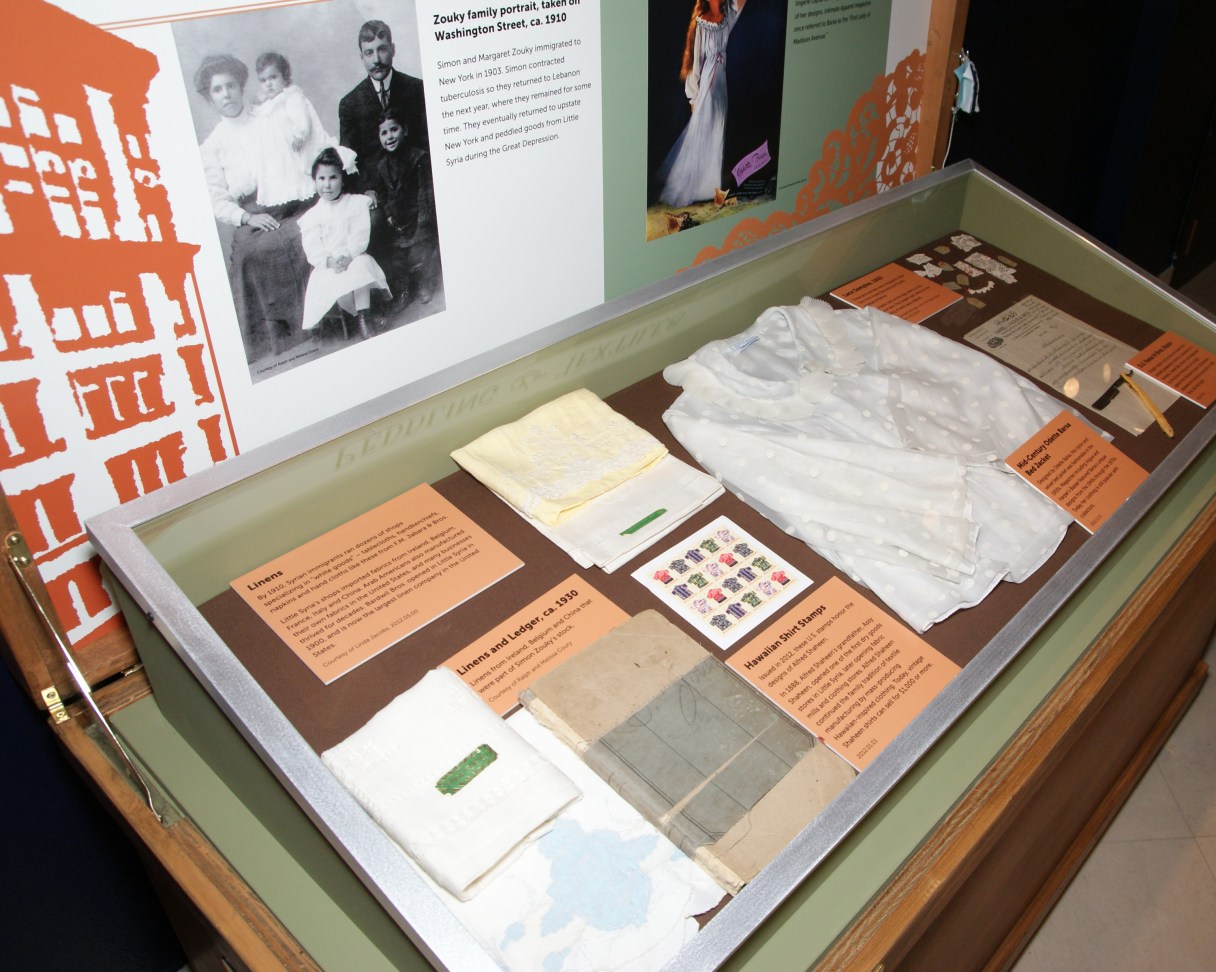
In this Dec. 7, 2012 photo provided by Derrica Hamilton is an exhibit at the Arab American National Museum in Dearborn, Mich. The museum is sending its exhibition about one of the earliest Arab-American settlements to Ellis Island. The exhibit, titled "Little Syria," documents the once-thriving Lower Manhattan neighborhood home to many Arabs during the immigration wave of the late 19th and early 20th centuries. (AP Photo/Derrica Hamilton)
In this Dec. 7, 2012 photo provided by Derrica Hamilton is an exhibit at the Arab American National Museum in Dearborn, Mich. The museum is sending its exhibition about one of the earliest Arab-American settlements to Ellis Island. The exhibit, titled "Little Syria," documents the once-thriving Lower Manhattan neighborhood home to many Arabs during the immigration wave of the late 19th and early 20th centuries. (AP Photo/Derrica Hamilton) In this Dec. 7, 2012 photo provided by Derrica Hamilton is an exhibit at the Arab American National Museum in Dearborn, Mich. The museum is sending its exhibition about one of the earliest Arab-American settlements to Ellis Island. The exhibit, titled "Little Syria," documents the once-thriving Lower Manhattan neighborhood home to many Arabs during the immigration wave of the late 19th and early 20th centuries. (AP Photo/Derrica Hamilton)

DETROIT (AP) – The Arab American National Museum is sending its exhibition about one of the earliest Arab-American settlements to Ellis Island, the same place where many of those immigrants first set foot in the U.S.

The “Little Syria” exhibit documents the once-thriving Lower Manhattan community that was home to many Arabs, including author and poet Khalil Gibran, and some of America’s first Arabic language newspapers during the immigration wave of the late 19th and early 20th centuries.

The exhibit was created by the Smithsonian-affiliated Arab American National Museum in Dearborn, a Detroit suburb that’s home to one of the nation’s largest Arab-American populations, with help from New York residents.

Arab museum director Devon Akmon told The Associated Press that having the exhibit at the historic immigrant gateway shares a largely unknown piece of history with an audience eager to learn about their own families’ immigration journeys as well as others.

“Our goal is always to place the Arab-American story in the context of the great American story,” he said.