
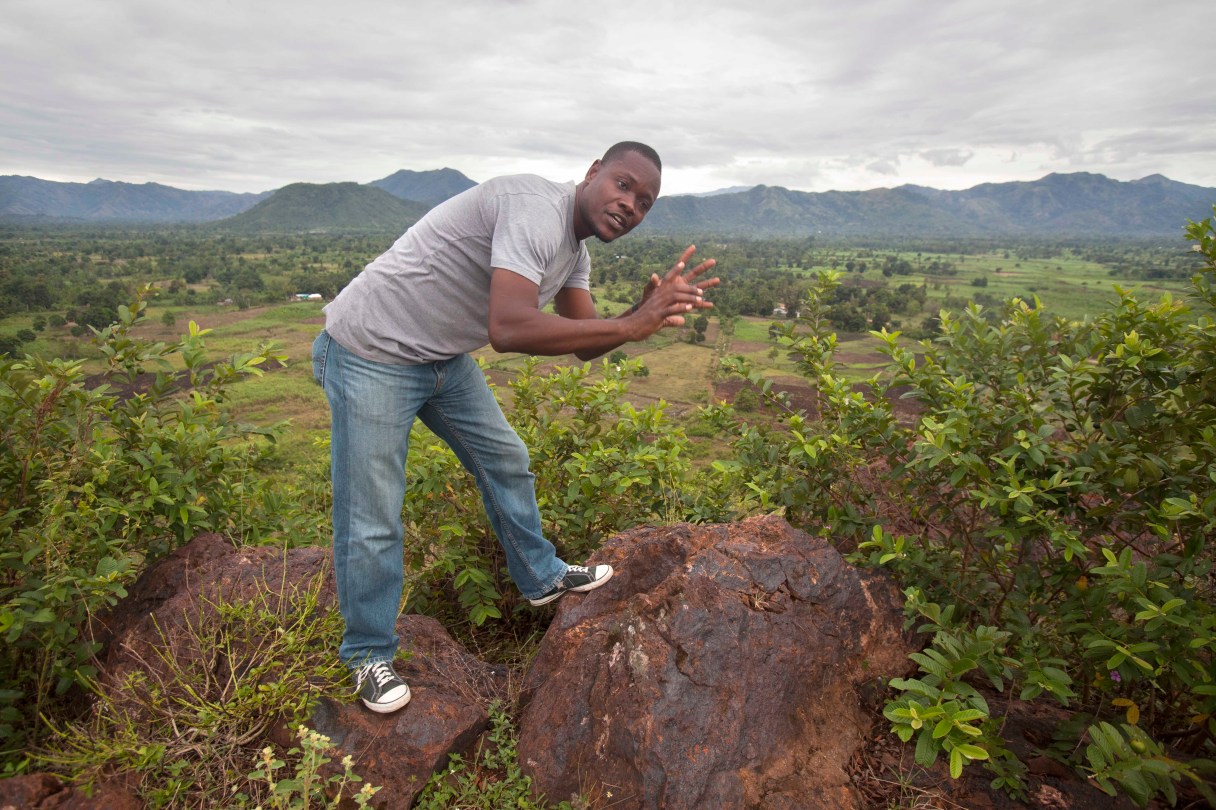
CAP-HAITIEN, Haiti (AP) – The 50-year-old man from the village scrambled up a grassy hill to ask the onsite manager of a U.S. mining company for work. Joseph Tony had heard VCS Mining Inc. was bringing jobs, along with paved roads and electricity, to this corner of rural northern Haiti. “Everybody is waiting,” he said.
But Williamcite Noel, the only VCS employee in Haiti, had nothing to offer. Although the company received one of two gold mining permits in December 2012, the project known by the hill on which is located, Morne Bossa, was frozen two months later when Parliament imposed a moratorium on mining activity amid deep concerns about whether the country has the capacity to adequately regulate such a complex industry.
Mining had been seen as a potential new source of revenue and jobs for impoverished Haiti after the January 2010 earthquake devastated the capital in the south. Companies spent $30 million prospecting, with the encouragement of a government eager to bring development to the countryside, where most people get by on subsistence farming and lack even basic services.
But the new era in mining that some had predicted remains out of reach because the Haiti has been unable to enact a revised mining law establishing such fundamental issues as the environmental regulations and royalty revenues.
Now it’s too late for this government. The administration of President Michel Martelly, a musician who had little support in the Senate and Chamber of Deputies when he took office in May 2011, was unable to get the law completed and passed before Parliament was dissolved in January. The prospects when a new government takes over next year are uncertain.