
Wednesday, November 11, 2026Nov 11

‘The Sixth Extinction’ may be coming to a world near you

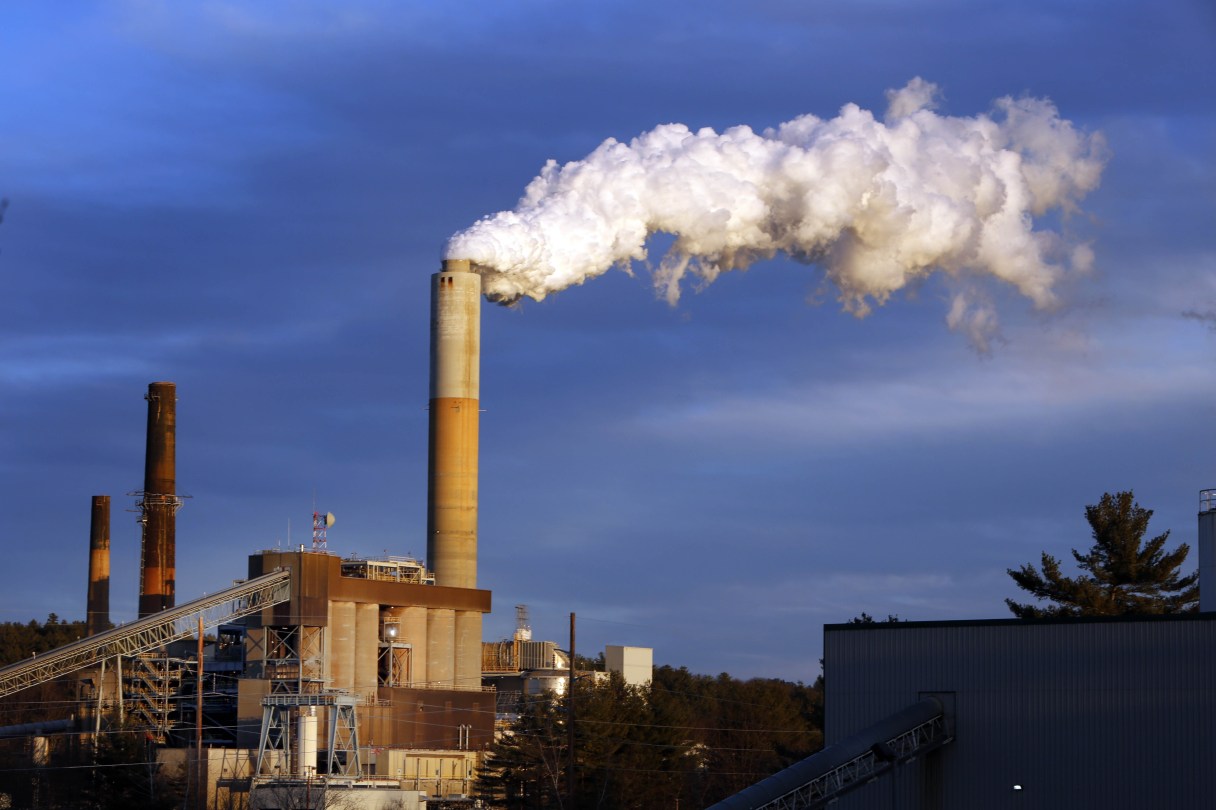
FILE - In this Tuesday, Jan. 20, 2015, file photo a plume of smoke billows from the coal-fired Merrimack Station in Bow, N.H. After failing six years ago to craft a global agreement to fight climate change, world governments are hoping that this year will mark a breakthrough in the slow-paced U.N. climate talks. In Geneva this week, negotiators from more than 190 countries are working on an early draft of a deal that’s supposed to be adopted in Paris in December.(AP Photo/Jim Cole, File)
FILE - In this Tuesday, Jan. 20, 2015, file photo a plume of smoke billows from the coal-fired Merrimack Station in Bow, N.H. After failing six years ago to craft a global agreement to fight climate change, world governments are hoping that this year will mark a breakthrough in the slow-paced U.N. climate talks. In Geneva this week, negotiators from more than 190 countries are working on an early draft of a deal that’s supposed to be adopted in Paris in December.(AP Photo/Jim Cole, File) FILE - In this Tuesday, Jan. 20, 2015, file photo a plume of smoke billows from the coal-fired Merrimack Station in Bow, N.H. After failing six years ago to craft a global agreement to fight climate change, world governments are hoping that this year will mark a breakthrough in the slow-paced U.N. climate talks. In Geneva this week, negotiators from more than 190 countries are working on an early draft of a deal that’s supposed to be adopted in Paris in December.(AP Photo/Jim Cole, File)

If the world’s greenhouse gas emissions continue unchecked, one in every six species on the planet could go extinct.

Yes, one in six.

That’s the finding of new research just published in the journal “Science.”

The affects go far beyond the lone floating polar bear that for a time was the go-to symbol of global warming.

Even before this new research, climate change was a big factor in what has been tagged “The Sixth Extinction,” potentially the worst die-off in Earth’s history since the dinosaurs disappeared 65 million years ago,” according to InsideClimateNews.org, a Pulitzer Prize winning online publication.