
Thursday, November 12, 2026Nov 12

New pipeline safety rule pending after increase in accidents

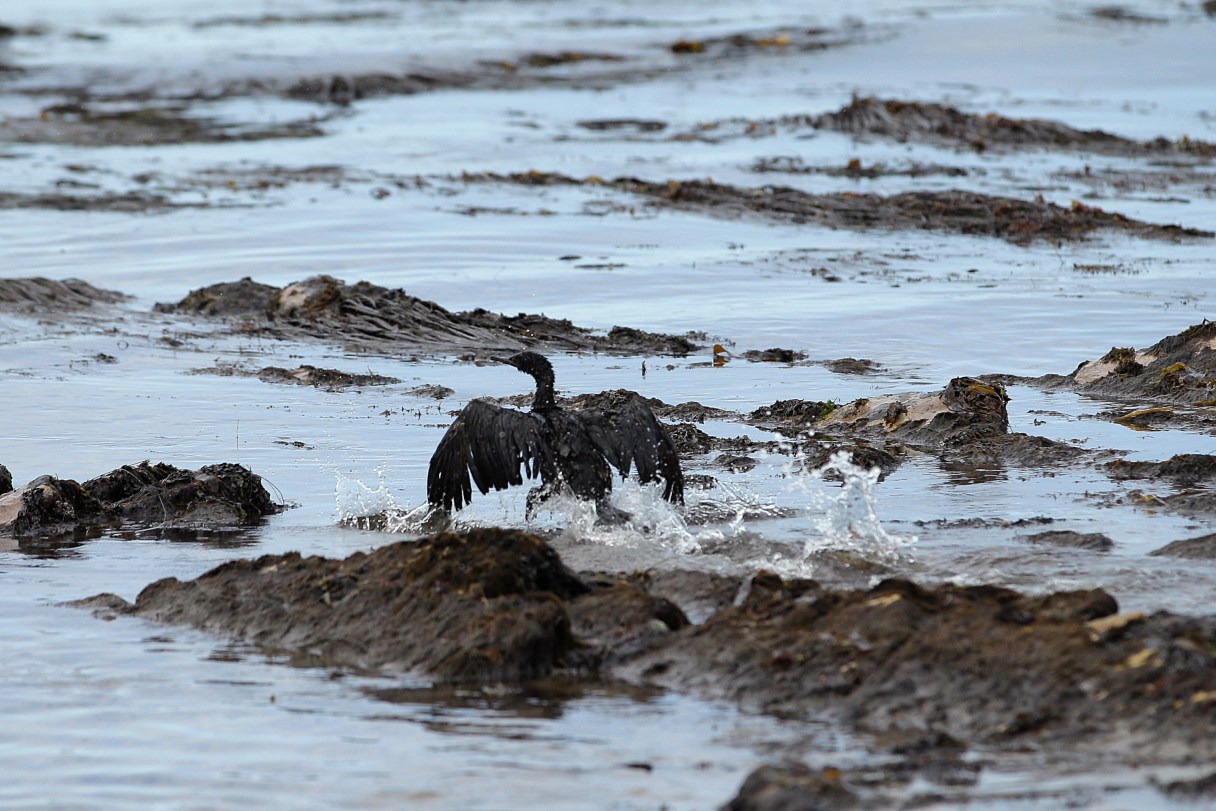
FILE - In this May 21, 2015 file photo, a bird covered in oil flaps its wings at Refugio State Beach, north of Goleta, Calif. A U.S. Senate committee is holding a field hearing on pipeline safety on Friday following a recent surge in accidents, including oil spills that fouled a Montana river and a scenic stretch of Southern California coastline. (AP Photo/Jae C. Hong, File)
FILE - In this May 21, 2015 file photo, a bird covered in oil flaps its wings at Refugio State Beach, north of Goleta, Calif. A U.S. Senate committee is holding a field hearing on pipeline safety on Friday following a recent surge in accidents, including oil spills that fouled a Montana river and a scenic stretch of Southern California coastline. (AP Photo/Jae C. Hong, File) FILE - In this May 21, 2015 file photo, a bird covered in oil flaps its wings at Refugio State Beach, north of Goleta, Calif. A U.S. Senate committee is holding a field hearing on pipeline safety on Friday following a recent surge in accidents, including oil spills that fouled a Montana river and a scenic stretch of Southern California coastline. (AP Photo/Jae C. Hong, File)

BILLINGS, Mont. (AP) – A long-delayed rule to strengthen safety requirements for pipelines that move oil and other hazardous liquids will be unveiled this month following a recent surge in accidents, the U.S. government’s pipeline safety administrator said Friday.

More than five years in the making, the rule will determine if extra safety measures that are required in environmentally sensitive and populated areas should be expanded to new locations.

It was cleared by the White House this week, and the proposal will be released publicly in the next seven to 10 days, said Marie Therese Dominguez, head of the Department of Transportation’s Pipeline and Hazardous Materials Safety Administration.

A boom in U.S. energy production in recent years has led to rising numbers of pipeline accidents.

There were 445 pipeline accidents spilling a combined 1.9 million gallons of hazardous liquids in 2014. That marks roughly a 30 percent increase in accidents annually prior to 2008, when domestic crude production started to ramp up, largely to expanded production of shale oil in the Northern Plains and Texas.