
Wednesday, November 11, 2026Nov 11

UN says 2 Americans unjustly held in Iran part of a pattern

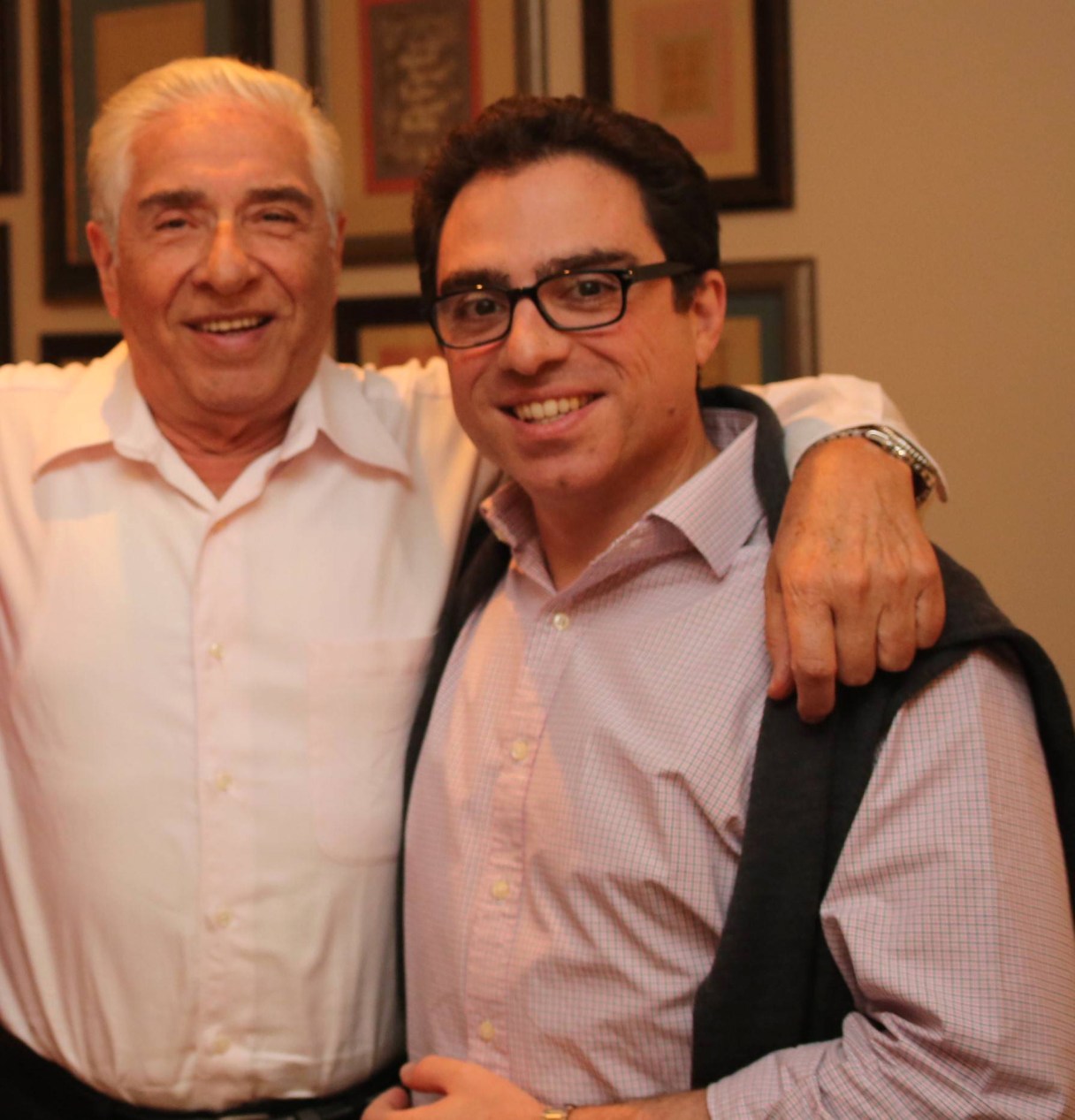
This undated photo released and made available by Babak Namazi, who is the brother of Siamak Namazi and son of Baquer Namazi, shows Baquer Namazi, left, and his son Siamak in an unidentified location. The U.N.'s Working Group on Arbitrary Detention said Monday, Sept. 18, 2017, that Baquer and Siamak Namazi, two Iranian-Americans serving 10-year prison sentences on spying charges in Iran should be immediately freed and paid restitution, calling their "arbitrary" detention part of an "emerging pattern" by Tehran of targeting dual nationals. (Babak Namazi via AP)
This undated photo released and made available by Babak Namazi, who is the brother of Siamak Namazi and son of Baquer Namazi, shows Baquer Namazi, left, and his son Siamak in an unidentified location. The U.N.'s Working Group on Arbitrary Detention said Monday, Sept. 18, 2017, that Baquer and Siamak Namazi, two Iranian-Americans serving 10-year prison sentences on spying charges in Iran should be immediately freed and paid restitution, calling their "arbitrary" detention part of an "emerging pattern" by Tehran of targeting dual nationals. (Babak Namazi via AP) This undated photo released and made available by Babak Namazi, who is the brother of Siamak Namazi and son of Baquer Namazi, shows Baquer Namazi, left, and his son Siamak in an unidentified location. The U.N.'s Working Group on Arbitrary Detention said Monday, Sept. 18, 2017, that Baquer and Siamak Namazi, two Iranian-Americans serving 10-year prison sentences on spying charges in Iran should be immediately freed and paid restitution, calling their "arbitrary" detention part of an "emerging pattern" by Tehran of targeting dual nationals. (Babak Namazi via AP)

DUBAI, United Arab Emirates (AP) – Two Iranian-Americans serving 10-year prison sentences on spying charges in Iran should be immediately freed and paid restitution, a United Nations panel said on Monday, calling their “arbitrary” detention part of an “emerging pattern” by Tehran of targeting dual nationals.

The decision by a group of U.N. experts on the case of Siamak and Baquer Namazi comes as Iranian President Hassan Rouhani attends the world body’s annual meeting in New York.

It puts new pressure on the moderate cleric’s government to confront hard-liners within Iran’s paramilitary Revolutionary Guard and judiciary, which repeatedly has arrested and prosecuted those with Western ties in the wake of the country’s 2015 nuclear deal.

However, it remains unclear whether Rouhani has the power within Iran’s clerically overseen government to free those detained, as analysts and family members of those held believe they will be used as bargaining chips in future negotiations.

Siamak Namazi, a 46-year-old businessman who promoted closer ties between Iran and the West, was arrested in October 2015. His 81-year-old father Baquer, a former UNICEF representative who served as governor of Iran’s oil-rich Khuzestan province under the U.S.-backed shah, was arrested in February 2016, apparently drawn to Iran over fears about his incarcerated son.