
Thursday, November 12, 2026Nov 12

Chattanooga’s religious leaders work to improve public education

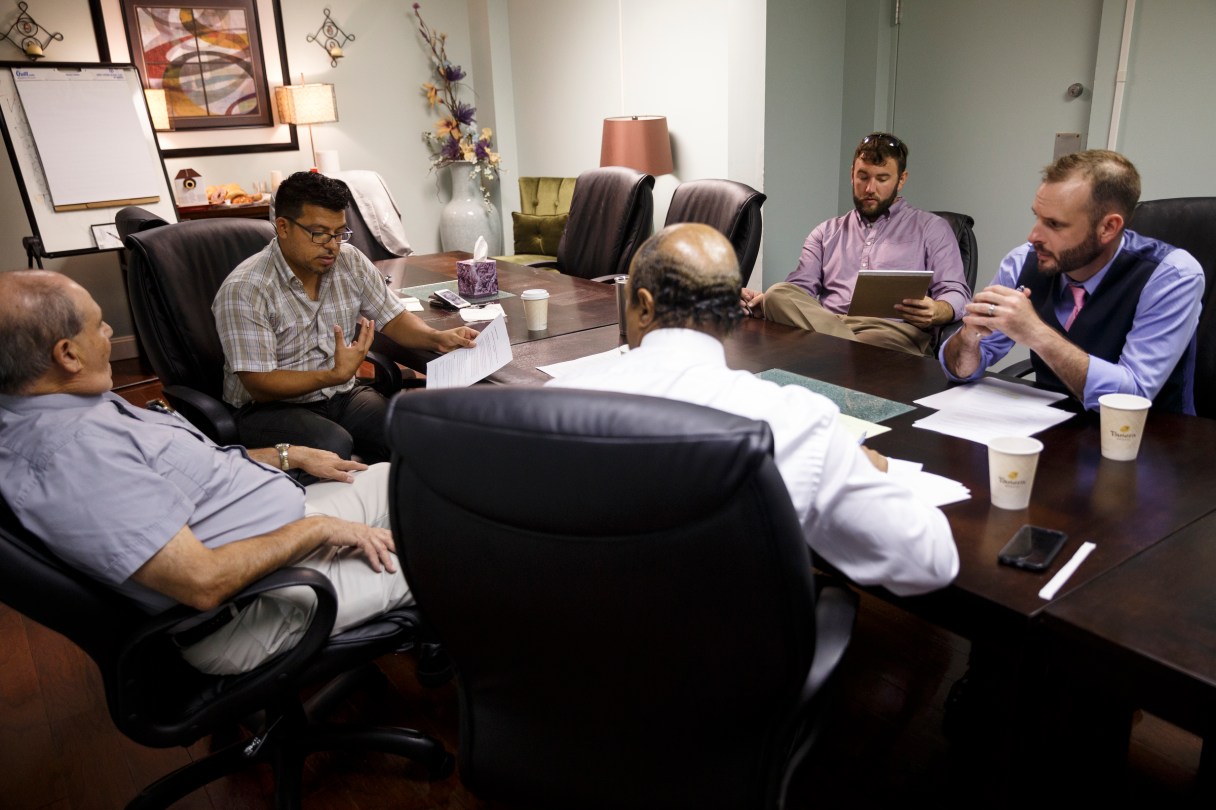
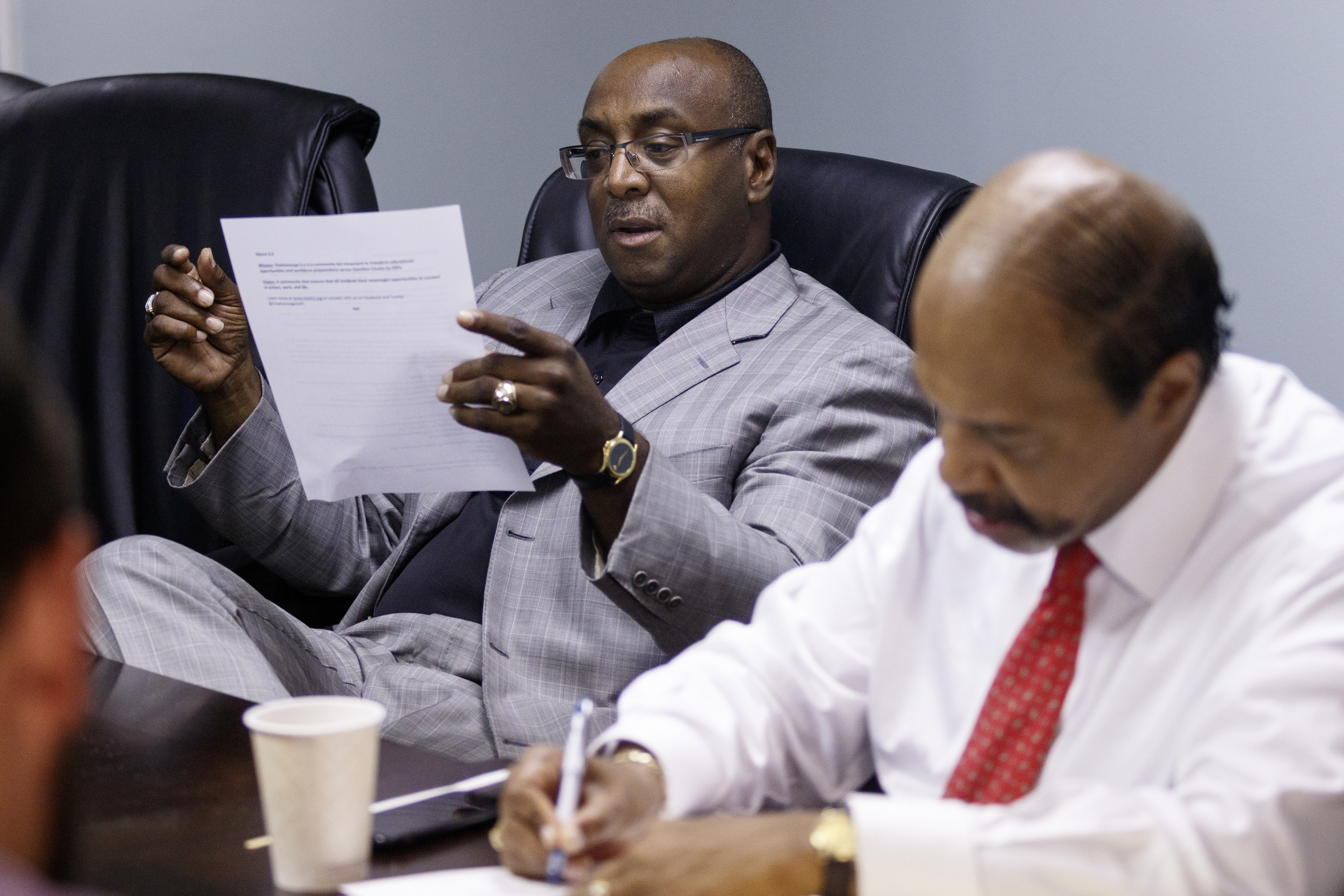
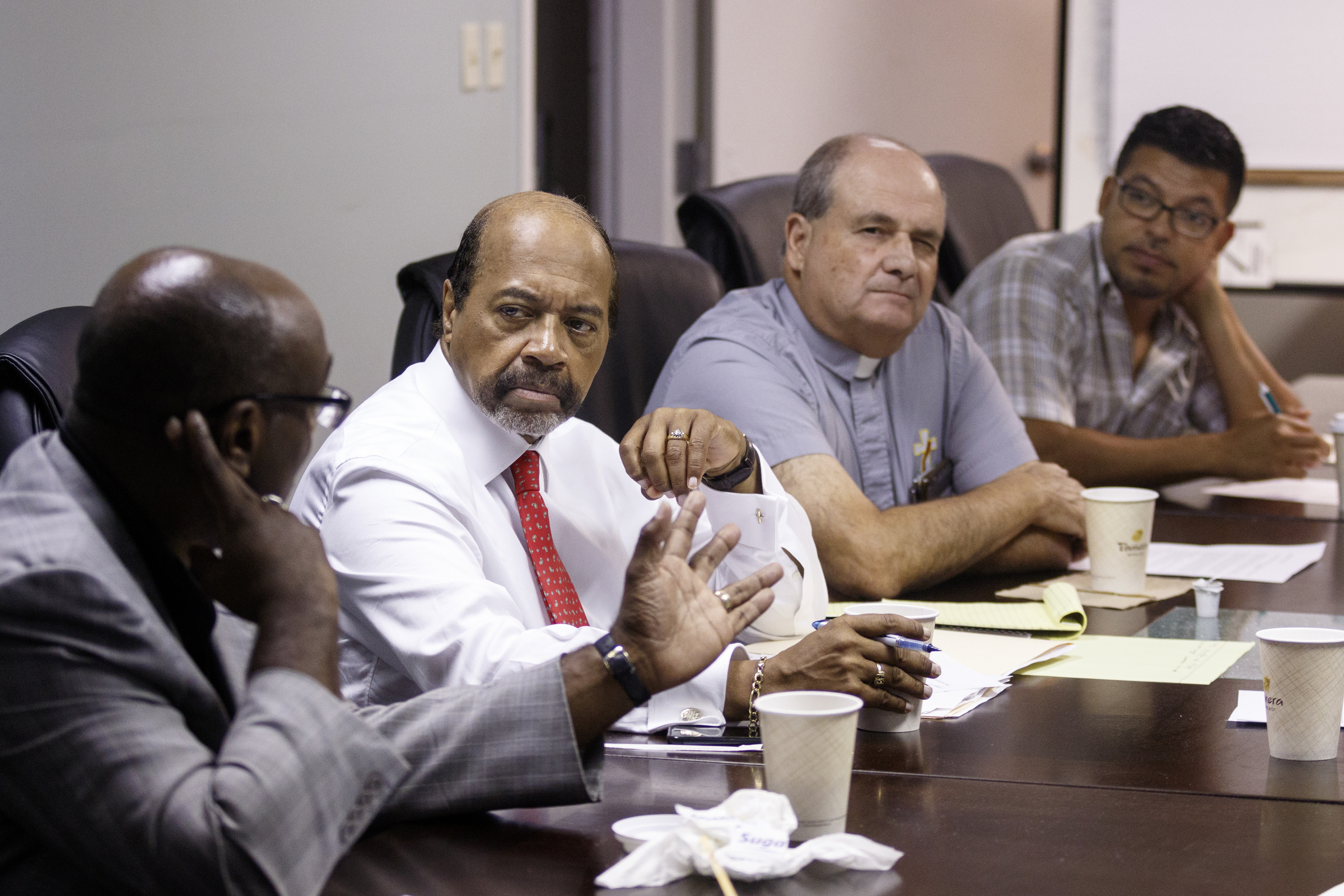
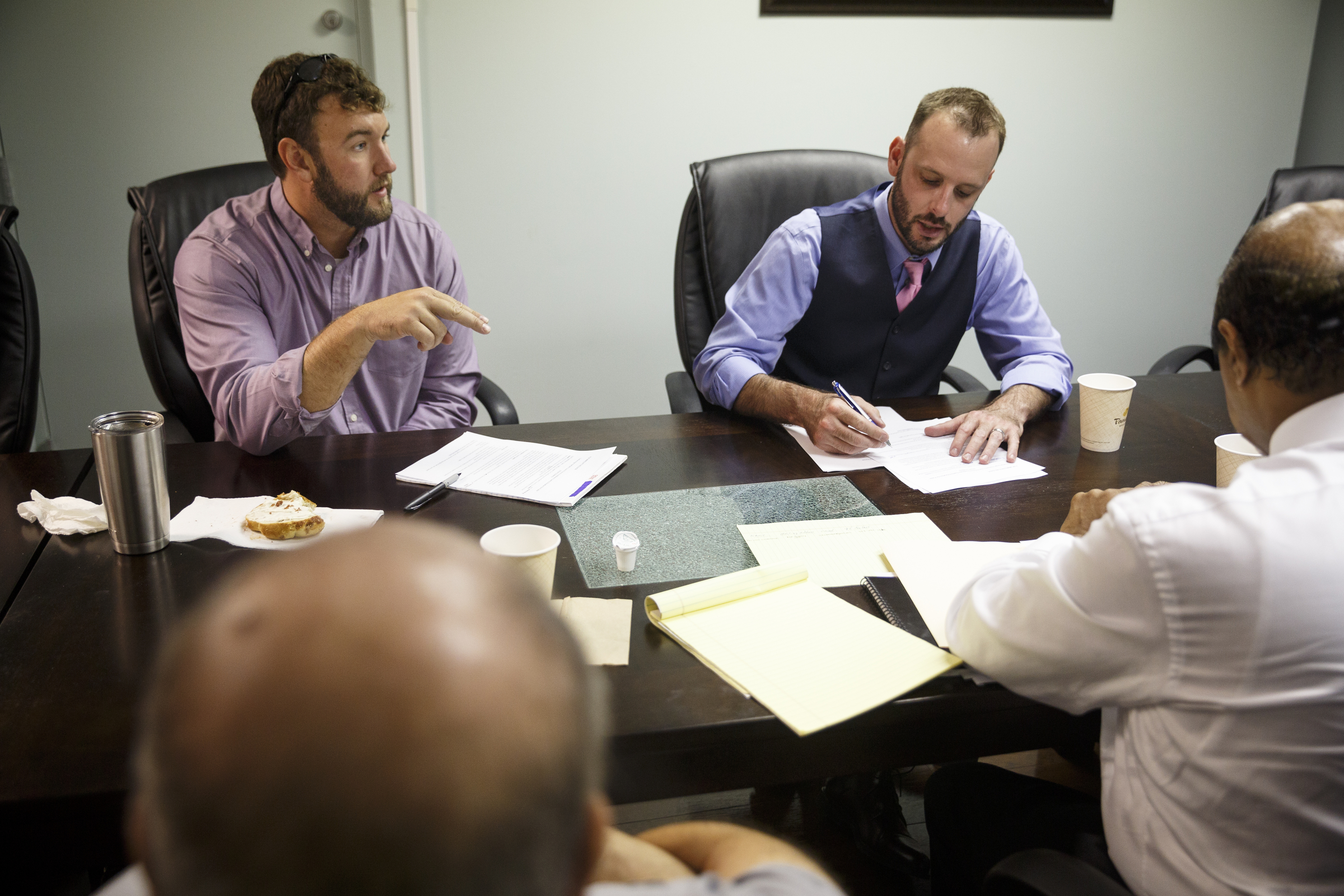
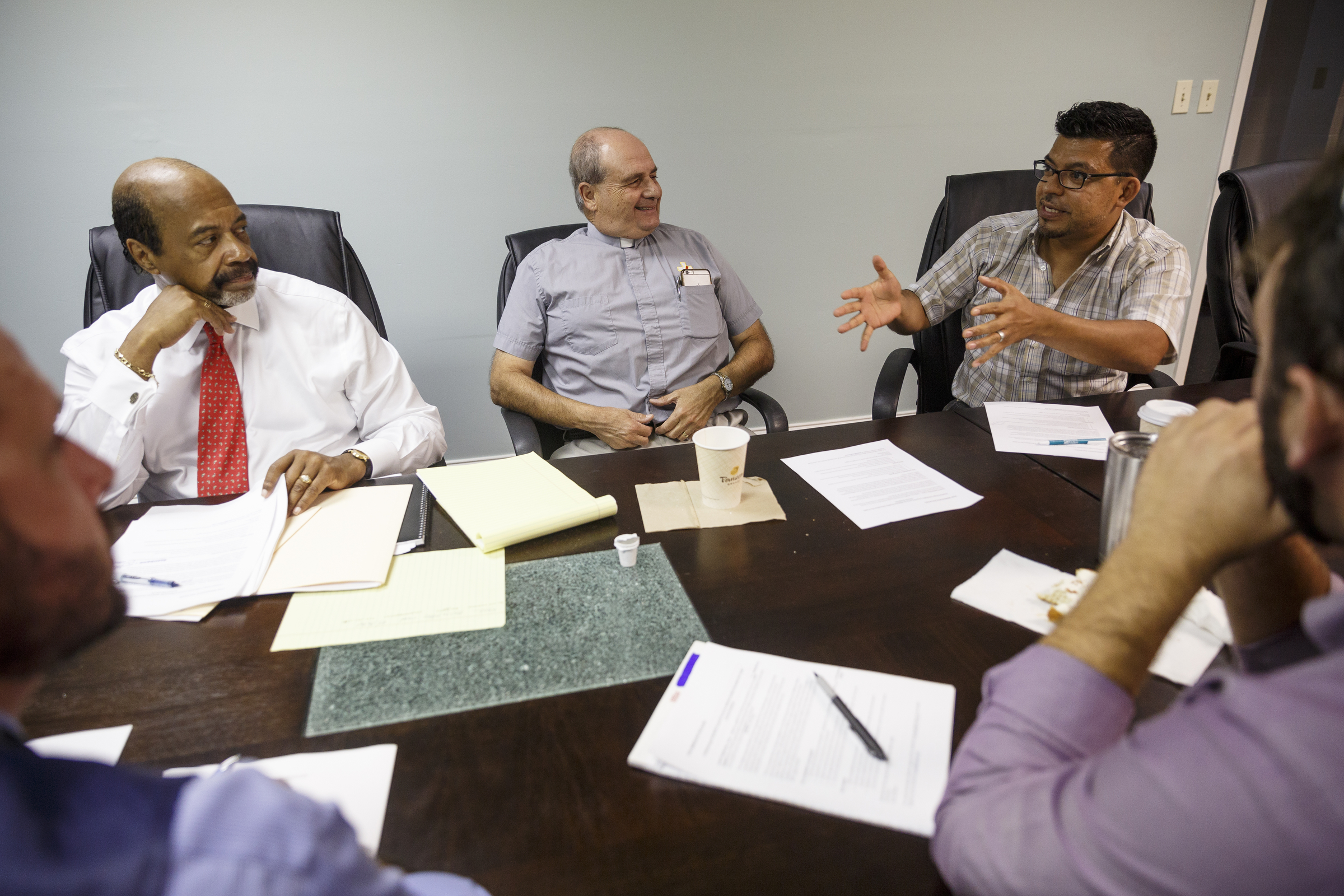
Rev. Gaspar DeGaetano, Pablo Mazariego, pastor Will Lauderback, and Chattanooga 2.0 coordinator Jared Bigham, from left, speak during a meeting by local pastors at The Urban League of Chattanooga to plan programs to improve public education Tuesday, July 12, 2016, in Chattanooga, Tenn. The group is working with Chattanooga 2.0 to get their congregations involved in education.
Rev. Gaspar DeGaetano, Pablo Mazariego, pastor Will Lauderback, and Chattanooga 2.0 coordinator Jared Bigham, from left, speak during a meeting by local pastors at The Urban League of Chattanooga to plan programs to improve public education Tuesday, July 12, 2016, in Chattanooga, Tenn. The group is working with Chattanooga 2.0 to get their congregations involved in education. Rev. Gaspar DeGaetano, Pablo Mazariego, pastor Will Lauderback, and Chattanooga 2.0 coordinator Jared Bigham, from left, speak during a meeting by local pastors at The Urban League of Chattanooga to plan programs to improve public education Tuesday, July 12, 2016, in Chattanooga, Tenn. The group is working with Chattanooga 2.0 to get their congregations involved in education.

More Info

For more information or to get connected with the Interfaith Council contact Warren Logan at welogan@ulchatt.net.

Back in the 1980s, a group of pastors representing many of the city’s denominations worked collectively for the betterment of Chattanooga.

A meeting last week of a handful of religious leaders “is a revitalization of that work,” said Warren Logan, president of the Urban League of Greater Chattanooga.

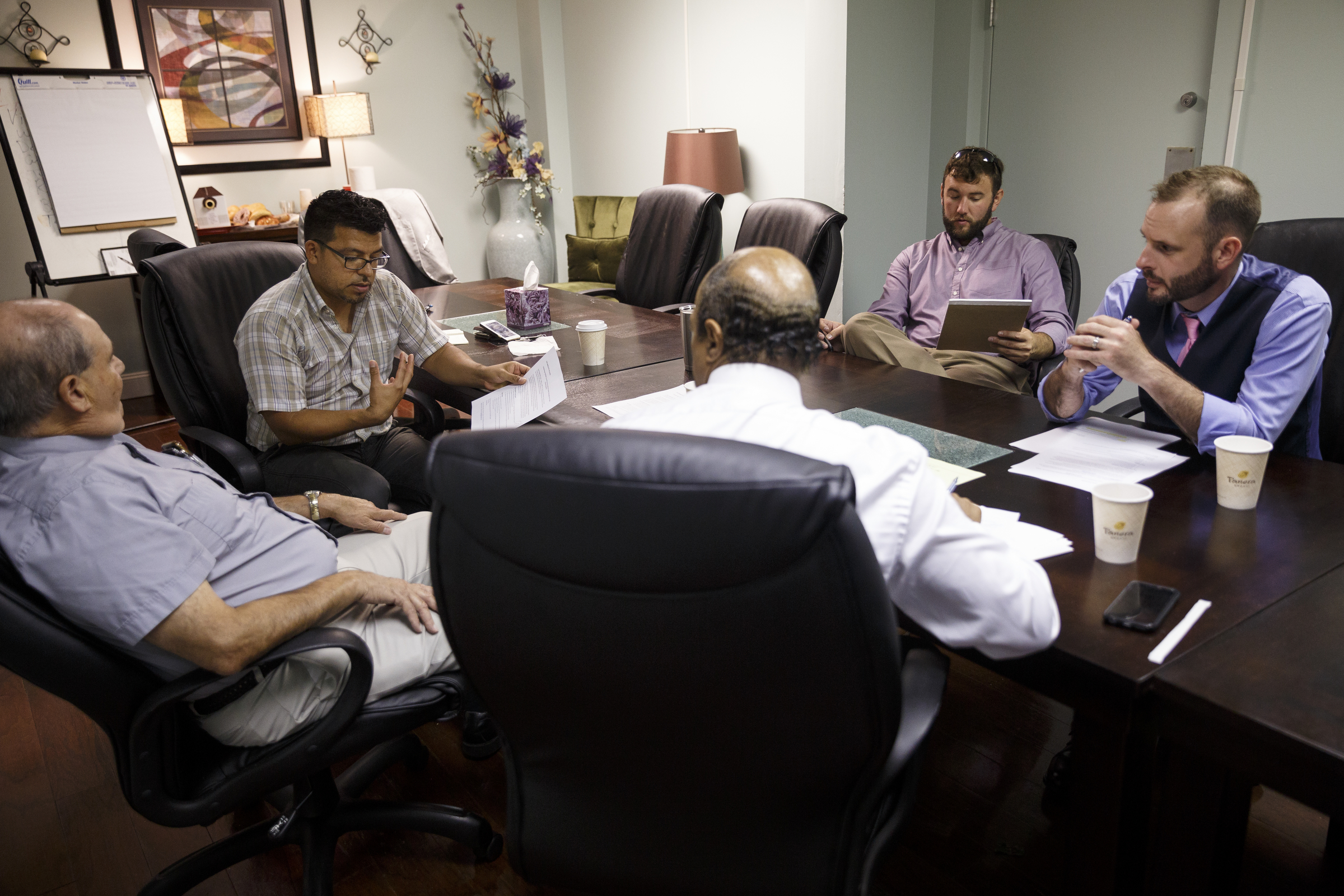
The pastors, representing different religious backgrounds and races, sat around a conference table in a back room of the Urban League offices on Tuesday, sipping coffee and discussing ways they can collectively work to improve the county’s public schools.

Logan said the idea for the Interfaith Council sprang from conversations about Chattanooga 2.0, an initiative to improve public education and workforce development through community support. He said places of worship serve as community hubs and are uniquely able to connect underserved communities with needed resources.