
Thursday, October 29, 2026Oct 29

This story is free to read.

Glanton: What we’re getting wrong about Juneteenth

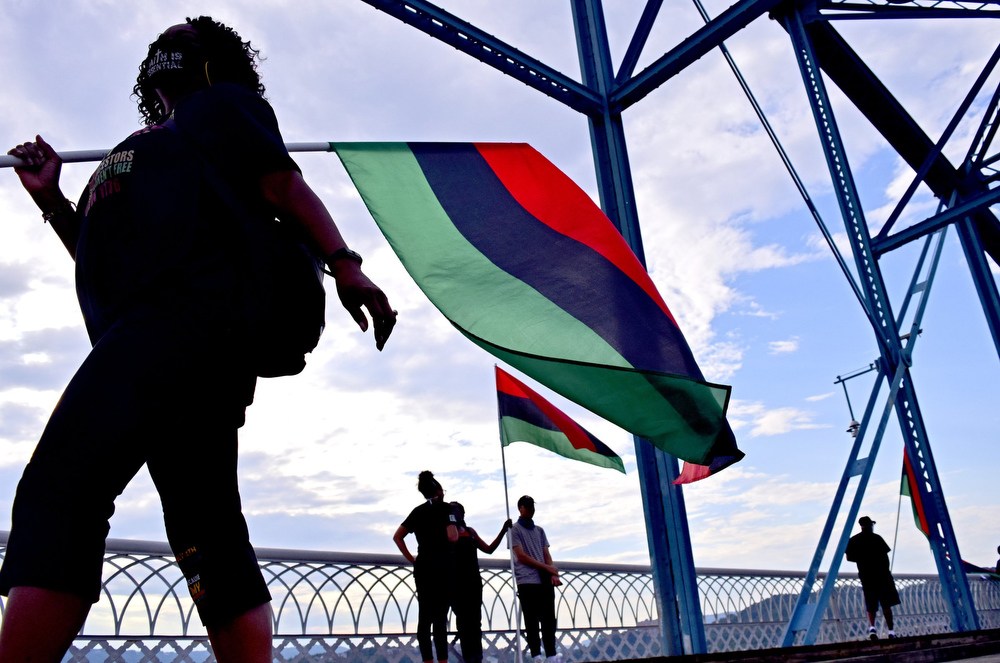
Staff Photo by Robin Rudd / Flag-bearers and attendees move to south side of the Walnut Street Bridge for the ceremony.  100 flag-bearers combined with 55 flags hung from the bridge commemorated 155 years since emancipation form slavery.   People gathered during the Chattanooga Festival of Black Arts & Ideas's 3rd Annual Juneteenth Independence Day Commemoration, "A Bridge Over Troubled Waters," on Friday, June 19, 2020.
Staff Photo by Robin Rudd / Flag-bearers and attendees move to south side of the Walnut Street Bridge for the ceremony. 100 flag-bearers combined with 55 flags hung from the bridge commemorated 155 years since emancipation form slavery. People gathered during the Chattanooga Festival of Black Arts & Ideas's 3rd Annual Juneteenth Independence Day Commemoration, "A Bridge Over Troubled Waters," on Friday, June 19, 2020. Staff Photo by Robin Rudd / Flag-bearers and attendees move to south side of the Walnut Street Bridge for the ceremony. 100 flag-bearers combined with 55 flags hung from the bridge commemorated 155 years since emancipation form slavery. People gathered during the Chattanooga Festival of Black Arts & Ideas's 3rd Annual Juneteenth Independence Day Commemoration, "A Bridge Over Troubled Waters," on Friday, June 19, 2020.

This weekend, Americans will celebrate an unofficial holiday that many people had not heard of a year ago.

In this era of purposeful racial awareness, Juneteenth is the new “it” holiday for the socially woke.

While many African Americans have celebrated it for decades, the effort to make June 19 a federal holiday commemorating the end of slavery gained steam. The Senate passed a bill to establish the Juneteenth as a federal holiday.

There’s certainly nothing wrong with embracing Black history, making amends for atrocities past and present, and honoring the accomplishments of African Americans. The problem is that it’s the wrong date. The last of the slaves were not freed on Juneteenth.

Juneteenth represents June 19, 1865 – the date Union soldiers arrived in Texas to announce that the Civil War was over, and slavery had been abolished. That was 2 1/2 years after President Abraham Lincoln’s Emancipation Proclamation declared slaves held in Confederate states free and two months after his assassination.