
Thursday, October 29, 2026Oct 29

This story is free to read.

Watchdog cites persistent COVID-19 infection lapses in nursing homes

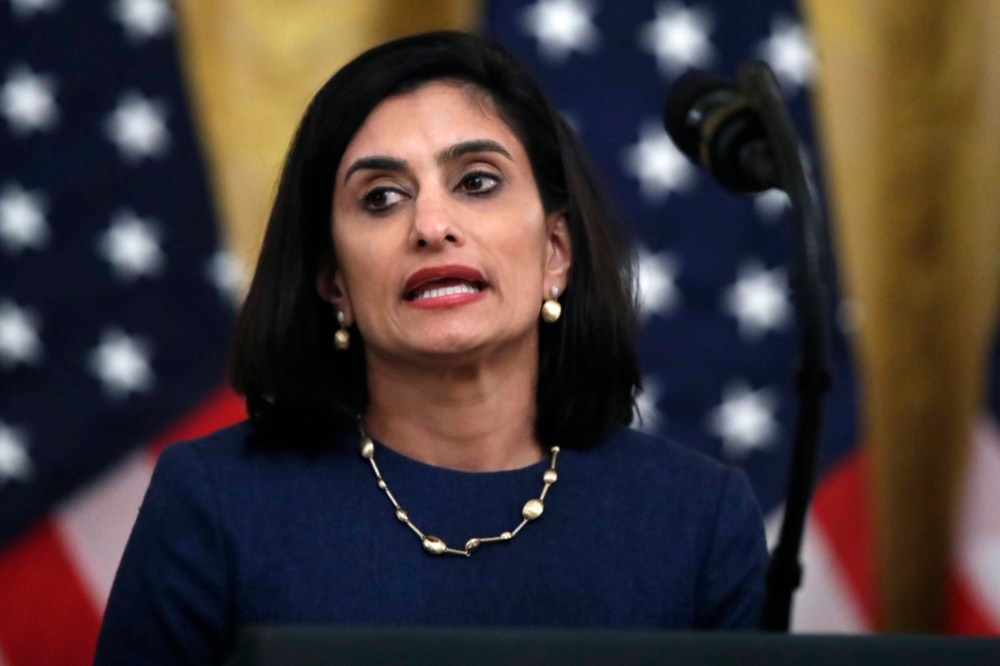
FILE - In this April 30, 2020 file photo Administrator of the Centers for Medicare and Medicaid Services Seema Verma speaks about protecting seniors, in the East Room of the White House in Washington. Federal authorities aren't setting any hard dates for when nursing homes can allow family members to visit again. "We're urging governors to proceed with extreme caution because these are the most vulnerable citizens. We know that nursing homes have struggled," said Seema Verma, head of CMS, in a phone interview, Monday, May 18, 2020. (AP Photo/Alex Brandon, file)
FILE - In this April 30, 2020 file photo Administrator of the Centers for Medicare and Medicaid Services Seema Verma speaks about protecting seniors, in the East Room of the White House in Washington. Federal authorities aren't setting any hard dates for when nursing homes can allow family members to visit again. "We're urging governors to proceed with extreme caution because these are the most vulnerable citizens. We know that nursing homes have struggled," said Seema Verma, head of CMS, in a phone interview, Monday, May 18, 2020. (AP Photo/Alex Brandon, file) FILE - In this April 30, 2020 file photo Administrator of the Centers for Medicare and Medicaid Services Seema Verma speaks about protecting seniors, in the East Room of the White House in Washington. Federal authorities aren't setting any hard dates for when nursing homes can allow family members to visit again. "We're urging governors to proceed with extreme caution because these are the most vulnerable citizens. We know that nursing homes have struggled," said Seema Verma, head of CMS, in a phone interview, Monday, May 18, 2020. (AP Photo/Alex Brandon, file)

WASHINGTON (AP) – Before COVID-19 killed thousands of nursing home residents, about 4 in 10 homes inspected were cited for infection control problems, according to a government watchdog report Wednesday that finds a “persistent” pattern of lapses.

In light of the pandemic, seemingly minor cutting of corners such as an employee caring for residents while battling a cold has taken on new significance.

“Warning signs were ignored and nursing homes were unprepared to face a pandemic,” said Sen. Ron Wyden of Oregon, the top Democrat on a committee that oversees Medicare and Medicaid. “There need to be big changes in the way nursing homes care for seniors.”

The report from the Government Accountability Office found that state inspectors who help enforce federal nursing home standards classified the overwhelming majority of violations as not severe, generally meaning there was no actual harm to residents. The federal Centers for Medicare and Medicare Services carried out enforcement actions for 1% of violations classified as not severe from 2013-2017, the report said.

Nursing homes ended up bearing the brunt of the coronavirus outbreak. About 1.4 million people live in some 15,500 facilities in the United States. Most of those people were already at higher risk due to age and medical history, and they also shared dining rooms, recreation areas, bathrooms and sleeping quarters.