
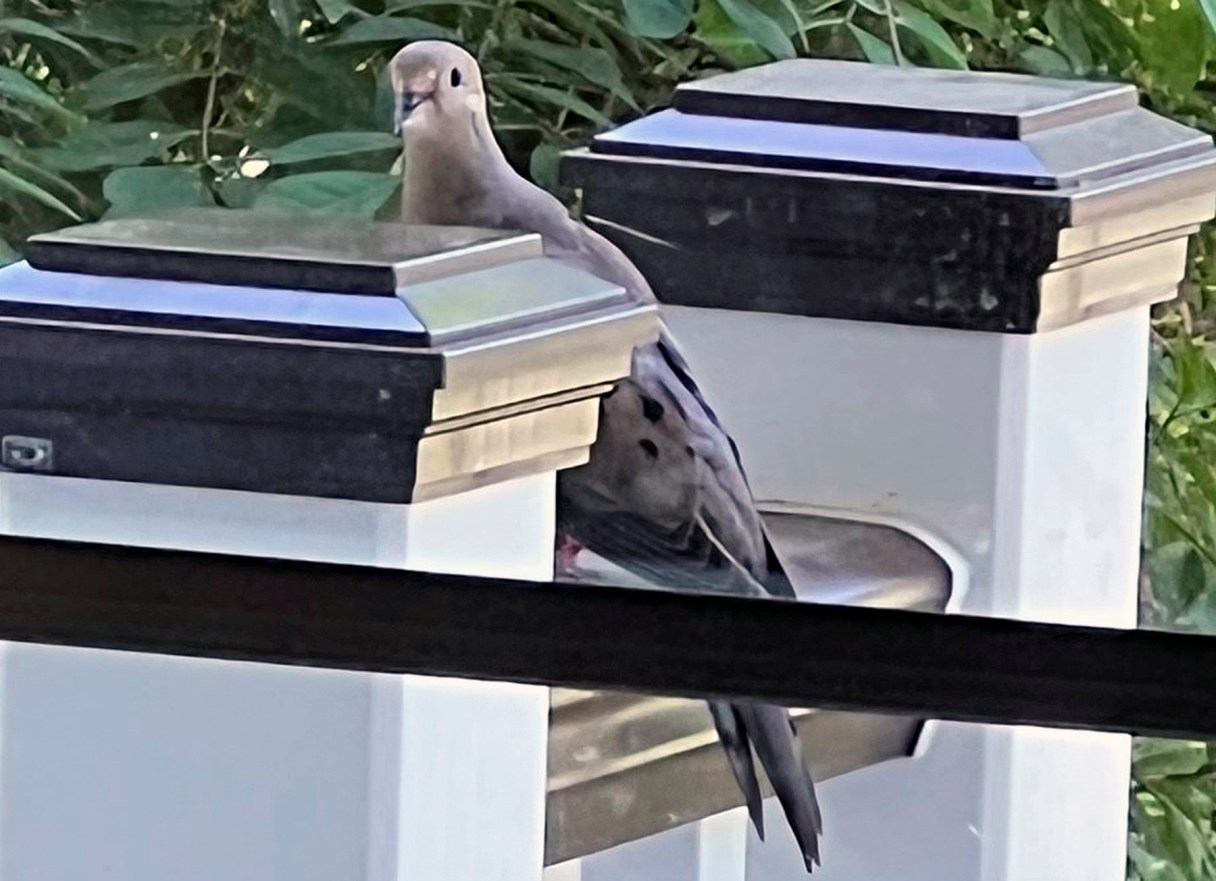
As I write this, I can hear a cardinal trilling in the backyard. I don’t have to look out the open window to confirm the source of the sounds that come through it; I’ve come to recognize the songs and their singers. I know it’s the mourning dove whose cooing wakes me in the morning and the sparrow whose repetitive chirps complete the sunrise chorus.
Watching birds perched on a branch or visiting a feeder imparts a certain connection to nature that little else does, and, for me at least, listening to their melodies alleviates stress.
Birds are also the most cost-effective way of reducing the number of pests in your garden. Their young are ravenous consumers of insects, including aphids, whiteflies, cabbage worms, cucumber beetles, grubs, earwigs, stinkbugs and, especially, caterpillars.
According to Doug Tallamy, a University of Delaware professor of entomology and author of “Bringing Nature Home: How You Can Sustain Wildlife with Native Plants” (Timber Press, 2007), one clutch of chickadees, for instance, requires 6,000 to 9,000 caterpillars, delivered by their parents, to sustain them from birth through first flight, which is just over two weeks. That’ll clean up the garden, to say the least.
To attain these pest-control benefits, you don’t have to be an expert birder. All you need to do is create a bird-friendly habitat.