
Wednesday, November 11, 2026Nov 11

States struggle with pushback after wave of policing reforms

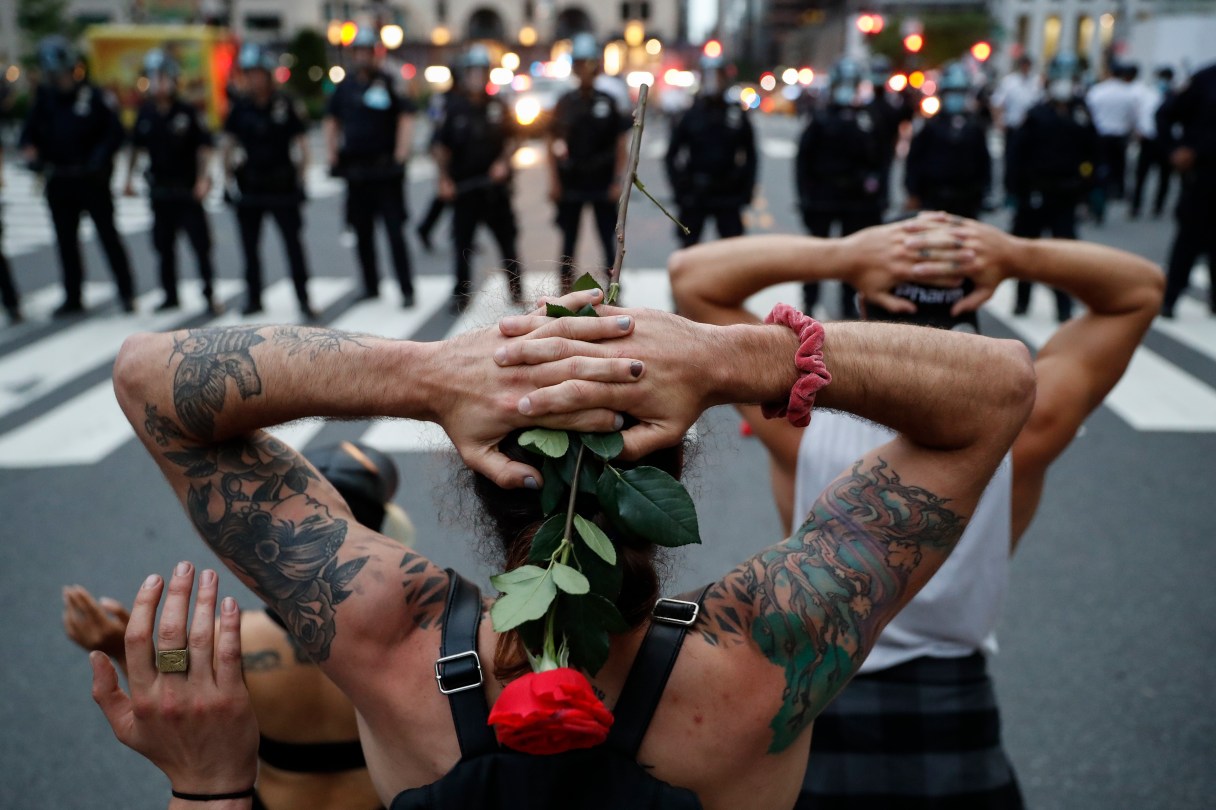
FILE - Protesters kneel in front of New York City Police Department officers before being arrested for violating curfew beside the iconic Plaza Hotel on 59th Street, Wednesday, June 3, 2020, in New York. Protests continued following the death of George Floyd, who died after being restrained by Minneapolis police officers on May 25. (AP Photo/John Minchillo, File)
FILE - Protesters kneel in front of New York City Police Department officers before being arrested for violating curfew beside the iconic Plaza Hotel on 59th Street, Wednesday, June 3, 2020, in New York. Protests continued following the death of George Floyd, who died after being restrained by Minneapolis police officers on May 25. (AP Photo/John Minchillo, File) FILE - Protesters kneel in front of New York City Police Department officers before being arrested for violating curfew beside the iconic Plaza Hotel on 59th Street, Wednesday, June 3, 2020, in New York. Protests continued following the death of George Floyd, who died after being restrained by Minneapolis police officers on May 25. (AP Photo/John Minchillo, File)

RICHMOND, Va. (AP) — The national reckoning on race and policing that followed the death of George Floyd — with a Minneapolis police officer’s knee on his windpipe — spurred a torrent of state laws aimed at fixing the police.

More than two years later, that torrent has slowed.

Some of the initial reforms have been tweaked or even rolled back after police complained that the new policies were hindering their ability to catch criminals.

And while governors in all but five states signed police reform laws, many of those laws gave police more protections, as well. More than a dozen states only passed laws aimed at broadening police accountability; five states only passed new police protections.

States collectively approved nearly 300 police reform bills after Floyd’s killing in May 2020, according to an analysis by the Howard Center for Investigative Journalism at the University of Maryland. The analysis used data from the National Conference of State Legislatures to identify legislation enacted since June 2020 that affects police oversight, training, use of force policies and mental health diversions, including crisis intervention and alternatives to arrests.