
Georgia college and technical students who participate in the Deferred Action for Childhood Arrivals program could get a break on their tuition thanks to a bill under consideration in the state House, but similar measures have failed in recent years.
DACA is an Obama-era program that shields people from deportation who were brought to the country as undocumented minors. As of Sept. 30, there were about 19,300 Georgia residents participating in DACA, according to U.S. Citizenship and Immigration Services.
Those students who are in college now pay out-of-state tuition, which can be more than three times higher than in-state tuition. Bill author Rep. Kasey Carpenter says that’s not fair.
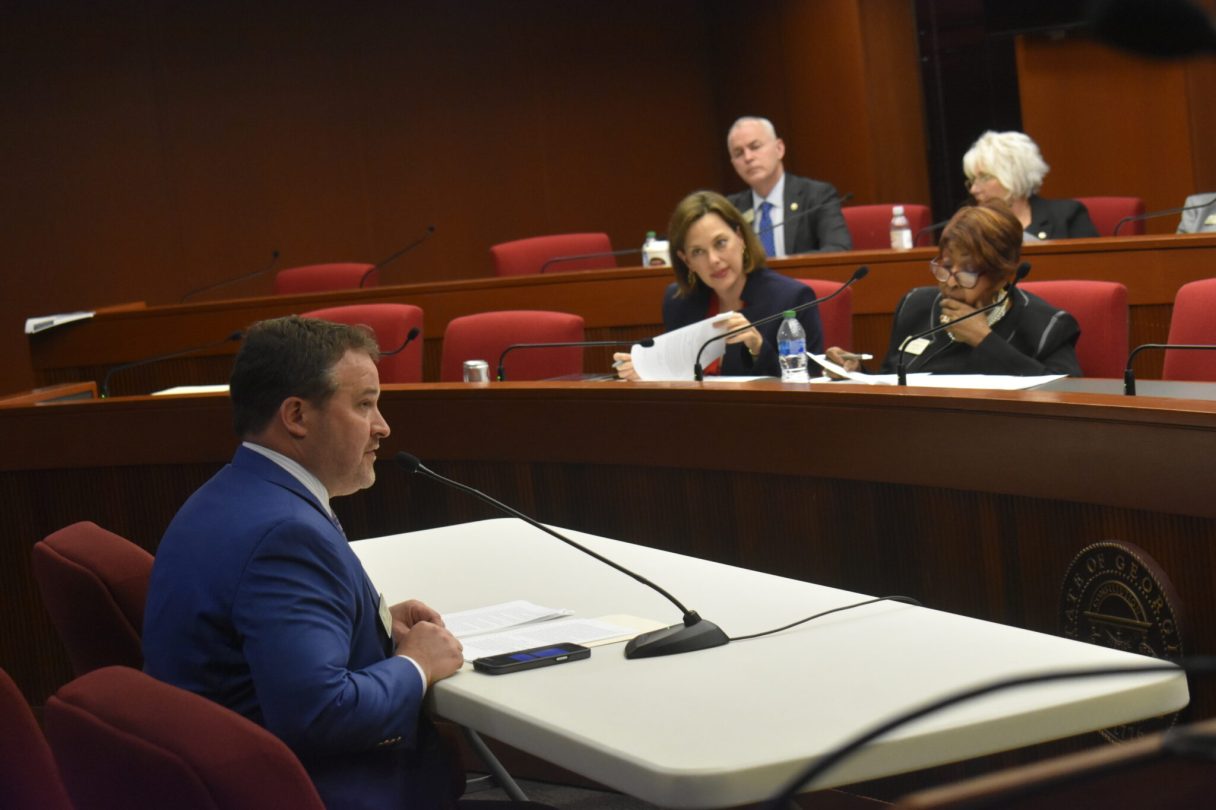
“We have talked about the declining enrollment in our colleges across the state for some time,” the Dalton Republican said at a House Higher Education Committee hearing Wednesday. “We’ve talked about border waivers that we offer to kids from Florida, from Tennessee, from Alabama, from South Carolina. And this piece would allow kids that have gone through our K-12 systems and have graduated who want to continue on in their educational process to attend them at a rate that’s affordable.”
Carpenter pitched his bill as an opportunity to fill empty college seats and boost Georgia’s workforce. Under it, DACA recipients, also known as Dreamers, would pay an opportunity tuition rate determined by the Board of Regents or State Board of the Technical College System, which could differ between institutions and be set to between 100% and 110% of the standard in-state tuition for the current year.