
Thursday, October 29, 2026Oct 29

This story is free to read.

Volkswagen sees sales slump in China, vows rebound this year

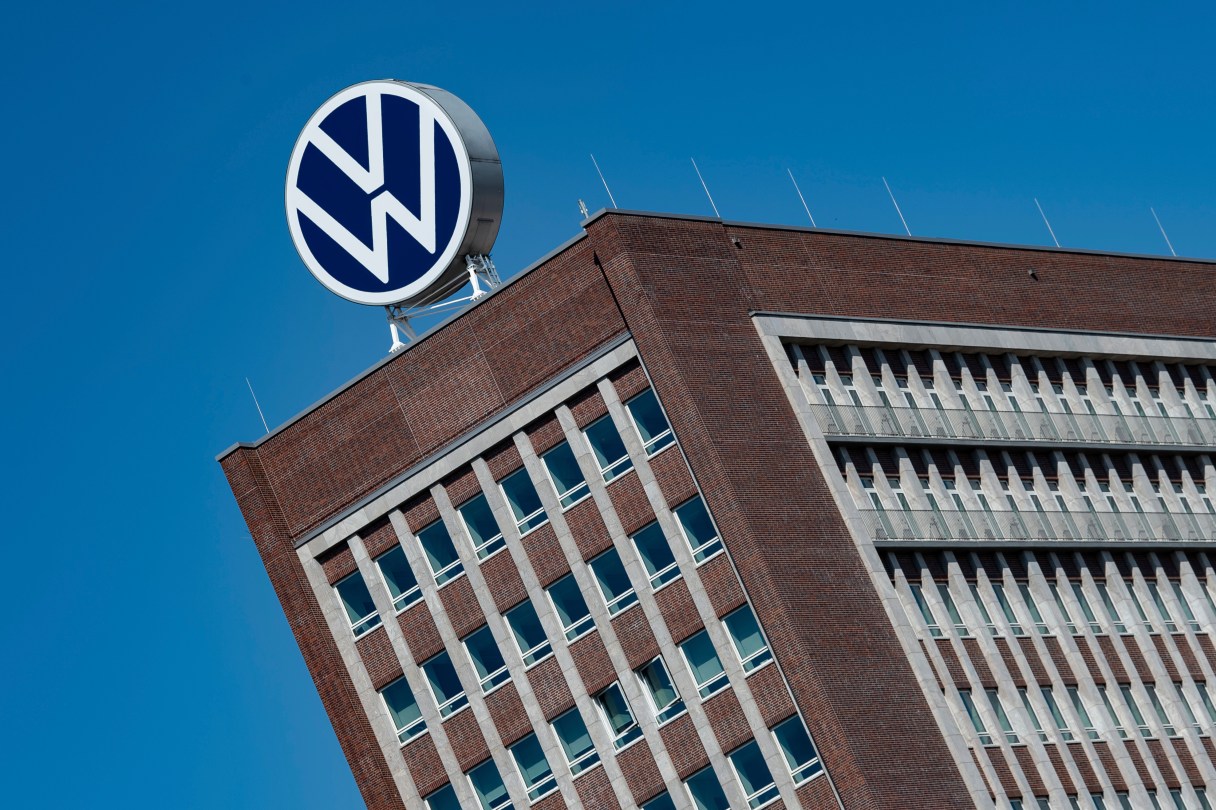
FILE - The Volkswagen logo stand on the top of a VW headquarters building in Wolfsburg, Germany, Monday, April 27, 2020. Volkswagen profits fell 30% in the first three months of the year despite booming business in Europe and North America because sales dropped in China, where the German automaker is facing increasing competition from homegrown models. (Swen Pfoertner/dpa via AP, File)
FILE - The Volkswagen logo stand on the top of a VW headquarters building in Wolfsburg, Germany, Monday, April 27, 2020. Volkswagen profits fell 30% in the first three months of the year despite booming business in Europe and North America because sales dropped in China, where the German automaker is facing increasing competition from homegrown models. (Swen Pfoertner/dpa via AP, File) FILE - The Volkswagen logo stand on the top of a VW headquarters building in Wolfsburg, Germany, Monday, April 27, 2020. Volkswagen profits fell 30% in the first three months of the year despite booming business in Europe and North America because sales dropped in China, where the German automaker is facing increasing competition from homegrown models. (Swen Pfoertner/dpa via AP, File)

FRANKFURT, Germany (AP) — Volkswagen profits fell 30% in the first three months of the year despite booming business in Europe and North America because sales dropped in China, where the German automaker is facing increasing competition from homegrown models.

After-tax profit fell to 4.7 billion euros ($5.2 billion) from 6.7 billion euros in the first quarter of last year, the Wolfsburg-based company said Thursday.

The number of vehicles sold rose 7.5%, to 2.04 million. Revenue jumped by 21.5%, to 76.2 billion euros, as VW saw strong demand and increased pricing power — meaning the willingness of customers to shell out more for its cars.

However, the company sold 14.5% fewer vehicles in China, the world’s largest car market, where competitors such as BYD are rapidly developing new electric and hybrid vehicles at competitive price points and competing with foreign brands.

BYD Auto, owned by battery maker BYD Co., edged ahead of Tesla in total 2022 sales at 1.9 million vehicles. Half were gasoline-electric hybrids, while Tesla’s fleet is pure electric.