
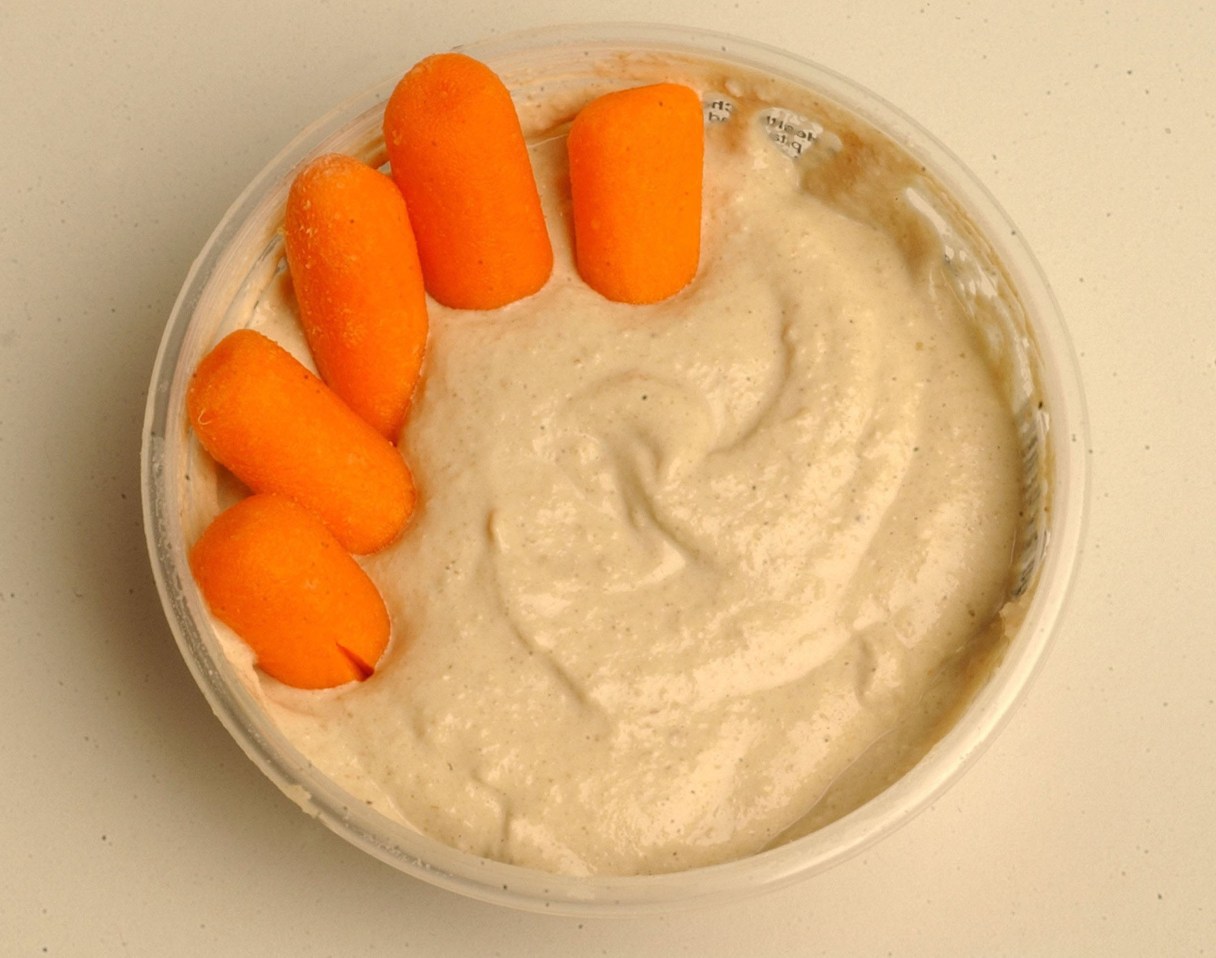
If you’ve never tried hummus, put it on your shopping list. A Middle Eastern spread typically made of blended chickpeas, sesame seeds, olive oil, lemon juice and garlic, hummus is a healthy dip that’s delicious to boot. The benefits of eating hummus are plentiful and proven by science. Here are the top reasons you should add hummus to your diet.
› Vitamins and minerals: According to the U.S. Department of Agriculture, hummus contains a bevy of important vitamins and minerals in as little as 2 tablespoons. Hummus accounts for 7% of your daily value of copper and manganese. It accounts for 3% of your daily magnesium — as well as 2% of your phosphorus, folate, iron, zinc and thiamine.
And at just 71 calories per 2 tablespoons, hummus won’t make you pack on extra pounds. It also comes with a small amount of plant-based protein that is perfect for vegan diets.
› Anti-inflammatory: Chronic inflammation raises serious health risks, including rheumatoid arthritis and diabetes. Luckily, hummus is full of chickpeas, olive oil and sesame seeds — all of which have anti-inflammatory properties.
› Better heart health: Hummus may also help battle the No. 1 cause of death around the world: heart disease. According to Healthline, hummus contains several ingredients that help reduce risk factors associated with heart disease.