
(Editor’s note: Second of three parts)
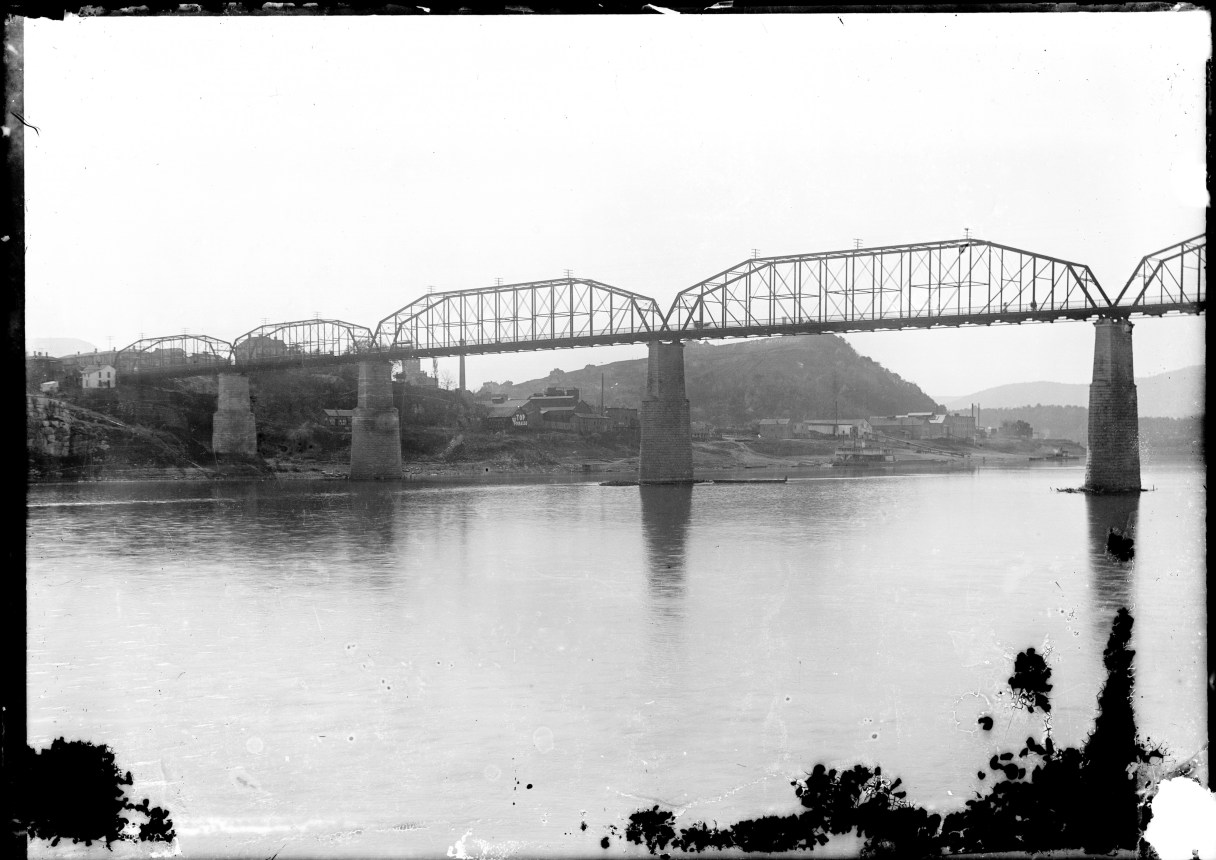
On May 15, 1925, the residents of Hill City lined up to vote on whether the North Chattanooga ward’s boundaries were to be increased to include Hill City. Only one voting site was open — on the corner of the street directly across from the Walnut Street Bridge — from 9 a.m. until 7 p.m., and a “light turnout” was predicted.
The Chattanooga Daily Times the previous day reported that based on their door-to-door campaigns, both sides had already claimed victory. Anxious watchers awaited the official returns. While those supporting union with the city of Chattanooga touted the benefits of annexation, the opposition, led by Frank Dugger, suggested that because most citizens had not paid their poll tax 60 days before the vote as required by statute, less than 200 residents would vote.
When the votes were certified by the Hamilton County Election Commission, Dugger was both right and wrong on his predictions. Fewer than 200 residents had voted; in fact, only 171 had cast a ballot about annexation. However, 110 had voted for the addition, and Mayor Sherman W. Beck proclaimed that Hill City was officially a part of North Chattanooga, a new acquisition for Chattanooga.
Just as the city celebrated its expansion, a question about East Chattanooga’s status was again raised by attorney T.D. Fletcher, who had filed suit following the original vote. Fletcher, joined by J.T. Heard in a constitutional challenge of the legislative act under which the earlier vote had occurred, renewed his fight by “filing a bill in chancery court,” asking for an injunction against the levying or collection of taxes in the areas known as “East Chattanooga, Avondale, Bushtown” and associated areas. When the litigants announced their intentions, the “pleas … had not been ruled upon by the Chancellor, it being said that the complainants had not as yet presented their bill to him.”