
Here’s a scenario the University of Alabama football team was not prepared for in head coach Kalen DeBoer’s debut as the successor to Nick Saban: getting offensive coordinator Nick Sheridan down from the press box to the field as quickly as possible, during the game, so he could keep calling plays.
Here’s why it had to happen: The Crimson Tide were playing Western Kentucky, and because the Hilltoppers’ headsets — part of a new wrinkle to college football this season — stopped working, Alabama by rule couldn’t use its headsets, either. Sheridan had to make an unplanned dash to the field to keep communicating with Tide quarterback Jalen Milroe.
“I thought our staff did a great job,” DeBoer said after the 63-0 win, “because that’s something you don’t practice.”
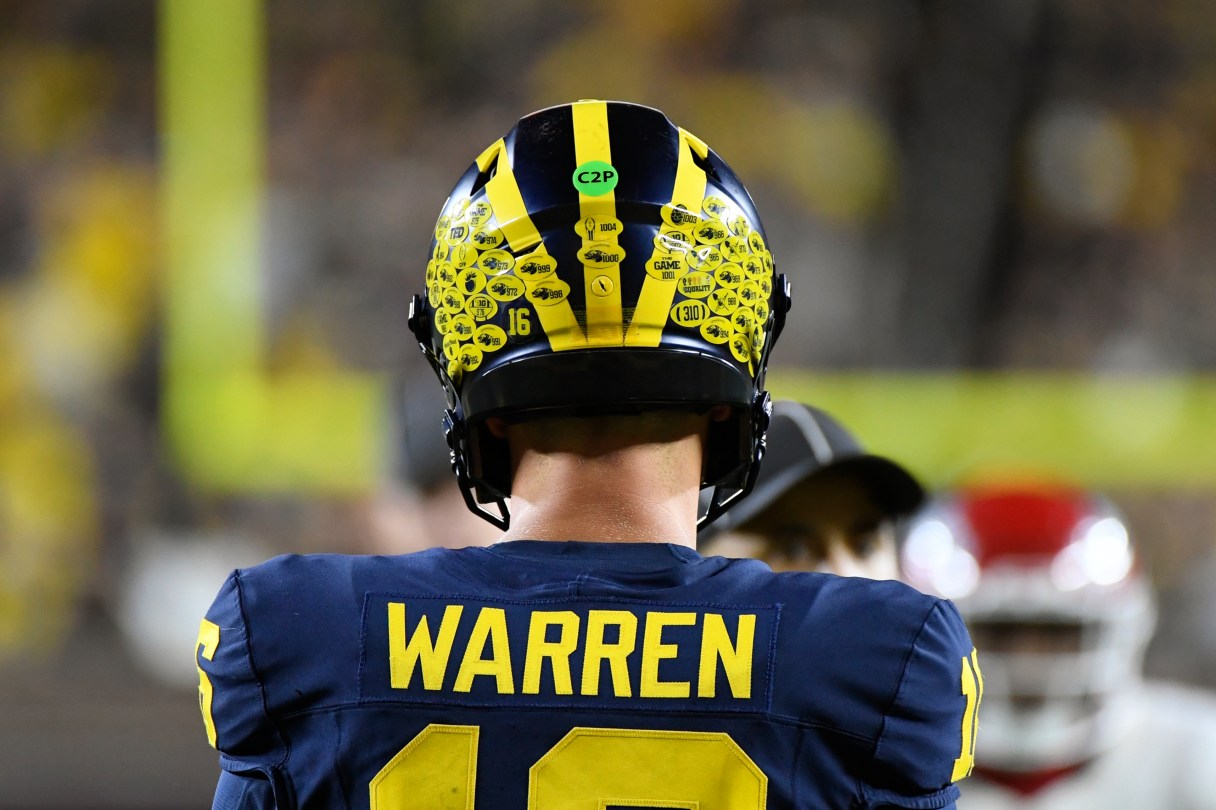
Helmet communication, long a part of the NFL, has come to major college football, with a single player on each team designated with a green dot on his helmet — the quarterback on offense, typically the on-field play-caller on defense — being able to hear voice instructions from the sideline until 15 seconds remains on the play clock. It’s a new option for this season after being experimented with for bowl games last season, and in theory it will replace signs being sent in from the sideline through hand signals and display boards.
Early returns on the new gizmos were mixed. Some liked it. Some didn’t.