
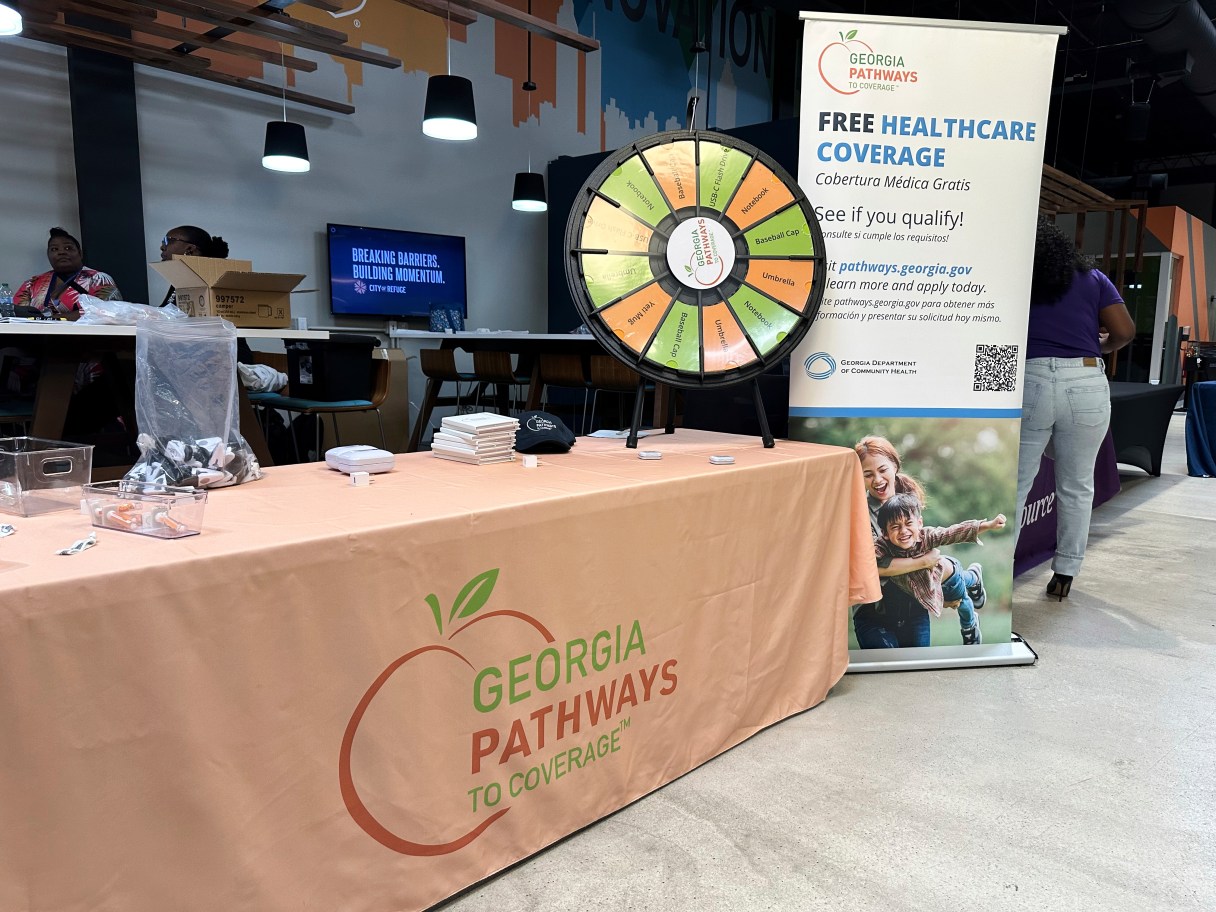
ATLANTA (AP) — Georgia’s experiment with a work requirement for Medicaid offers a test of a similar mandate Republicans in Congress want to implement nationally, and advocates say the results so far should serve as a warning.
Just days shy of its two-year anniversary, the Georgia Medicaid program is providing health coverage to about 7,500 low-income residents, up from 4,300 in the first year, but far fewer than the estimated 240,000 people who could qualify. The state had predicted at least 25,000 enrollees in the first year and nearly 50,000 in the second year.
Applicants and beneficiaries have faced technical glitches and found it nearly impossible at times to reach staff for help, despite more than $50 million in federal and state spending on computer software and administration. The program, dubbed Georgia Pathways, had a backlog of more than 16,000 applications 14 months after its July 2023 launch, according to a renewal application Georgia submitted to the Trump administration in April.
“The data on the Pathways program speaks for itself,” said Laura Colbert, executive director of Georgians for a Healthy Future, an advocacy group that has called for a broader expansion of Medicaid without work requirements. “There are just so many hurdles at every step of the way that it’s just a really difficult program for people to enroll in and then to stay enrolled in too.”
Georgia’s rules